Singapore imports more than 90 per cent of its food, yet a surprising amount of edible produce never reaches a plate because it is the wrong shape, size or colour. A small group of restaurants is building menus around exactly that produce — and in doing so, they are rewriting the relationship between kitchen, farm and supplier.
The 15-Kilogram Weekly Rescue
Cafe Bricolage, co-founded by Sarah Shum and Russell Nathan, runs a rotating menu made up of about 90 per cent vegetables and fruits sourced from surplus and “ugly” produce that suppliers and supermarkets typically reject. Much of it comes from a small collective of farms in Malaysia, including Weeds & More in Cameron Highlands.
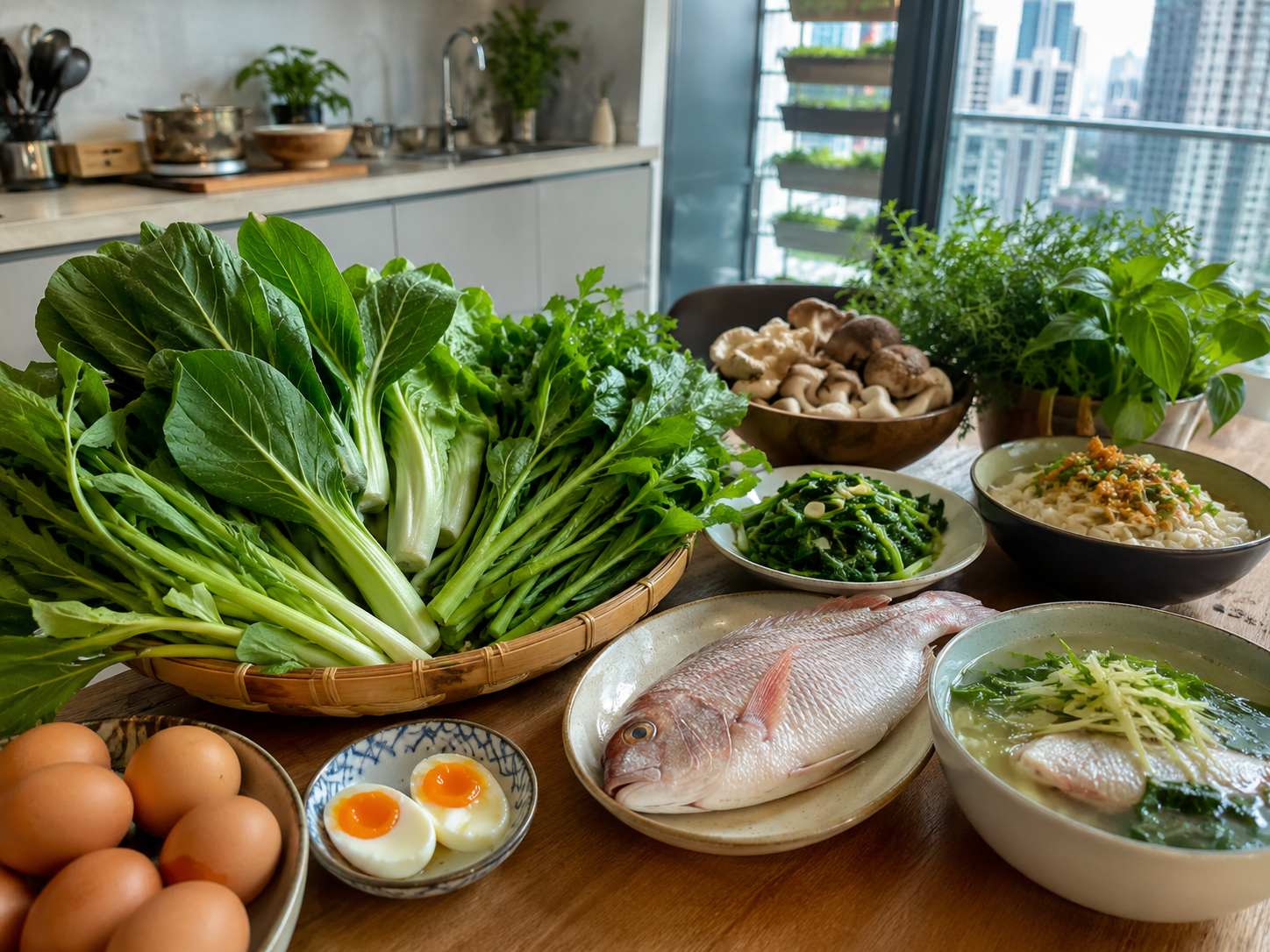
Every week, the restaurant collects roughly 15 kilograms of excess vegetables from the farm — European cold-climate crops such as Swiss chard, cauliflower and heirloom tomatoes, sometimes mixed with local vegetables like bitter gourd. The mix changes week to week, which means the menu changes with it.
That unpredictability is usually treated as a supply-chain problem. Bricolage treats it as a creative constraint.
Full-Utilisation Cooking as a Discipline
The restaurant practises full-utilisation cooking, using every part of every vegetable and fruit. Shelf-lengthening techniques — fermentation, drying, salting, smoking — allow the kitchen to transform ingredients that might be past their prime or unpalatable on their own into complex, plate-ready components.
Fermentation, Drying, and Salt
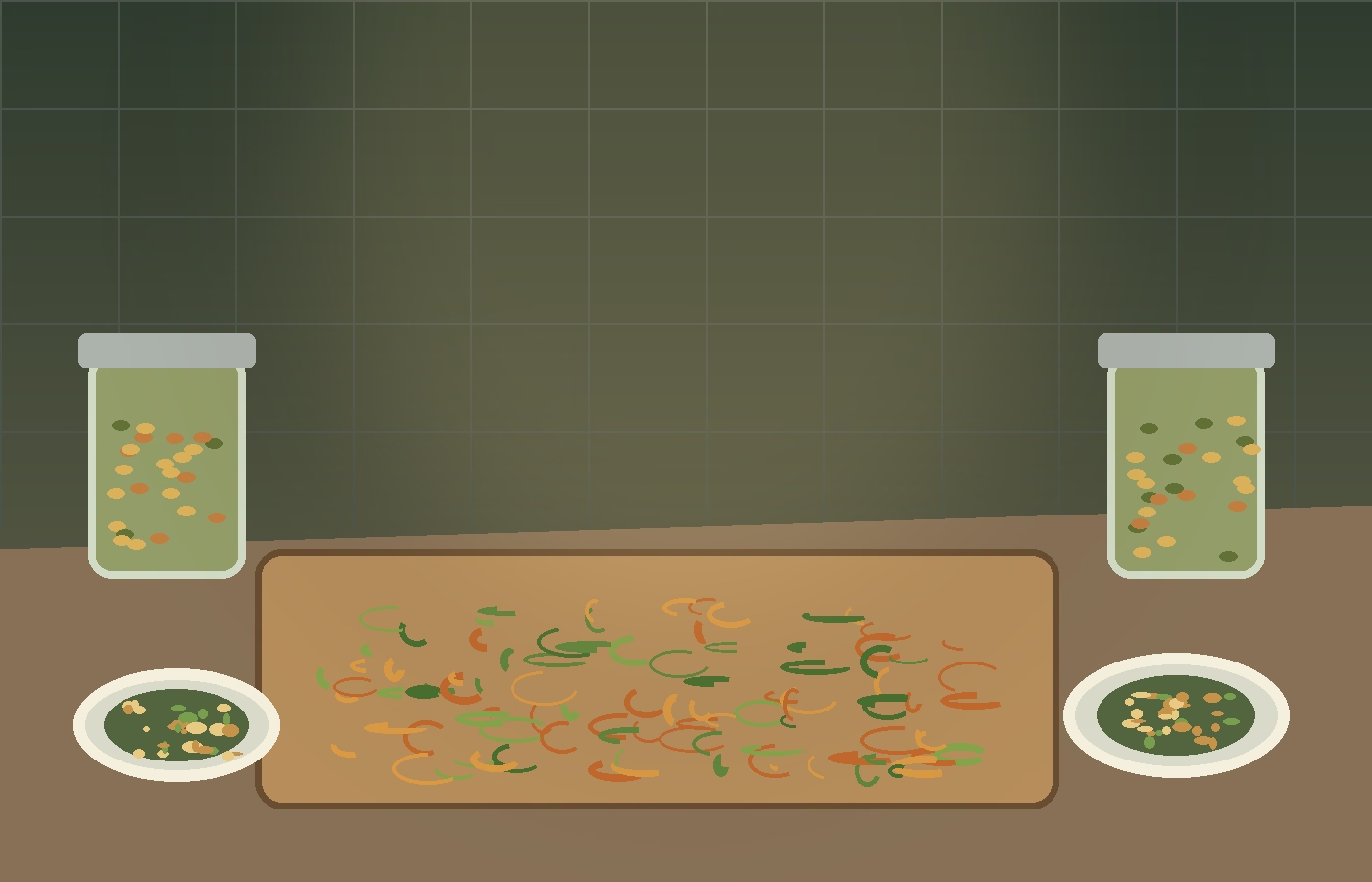
Goji fermentation, kombucha fermentation and lacto-fermentation are used to build acidity, umami and texture. Drying concentrates flavour and extends shelf life. Salting and smoking add depth. These are not decorative techniques; they are the operational infrastructure that makes a surplus-based menu possible.
The Consumer Appeal of Imperfect Ingredients
Fura, another Singapore restaurant, takes a similar approach with an “Ugly Delicious” section that showcases wonky fruits and vegetables rejected by retail. The framing matters: the menu does not ask diners to accept inferior food. It invites them to try ingredients that are flavourful, seasonal and unusual precisely because they did not fit a supermarket specification.
What It Takes to Make Surplus Profitable
A surplus-driven menu is not automatically cheaper. It requires flexible recipe development, skilled fermentation, reliable supplier relationships and a front-of-house team that can explain why the menu changes. But it also reduces dependency on imported premium produce and gives restaurants a distinct identity in a crowded market.
The deeper significance is systemic. By paying farms for surplus rather than letting it rot, restaurants create a small but real market signal that imperfect produce has value. That signal matters in a city-state trying to reduce food waste and strengthen food resilience at the same time.