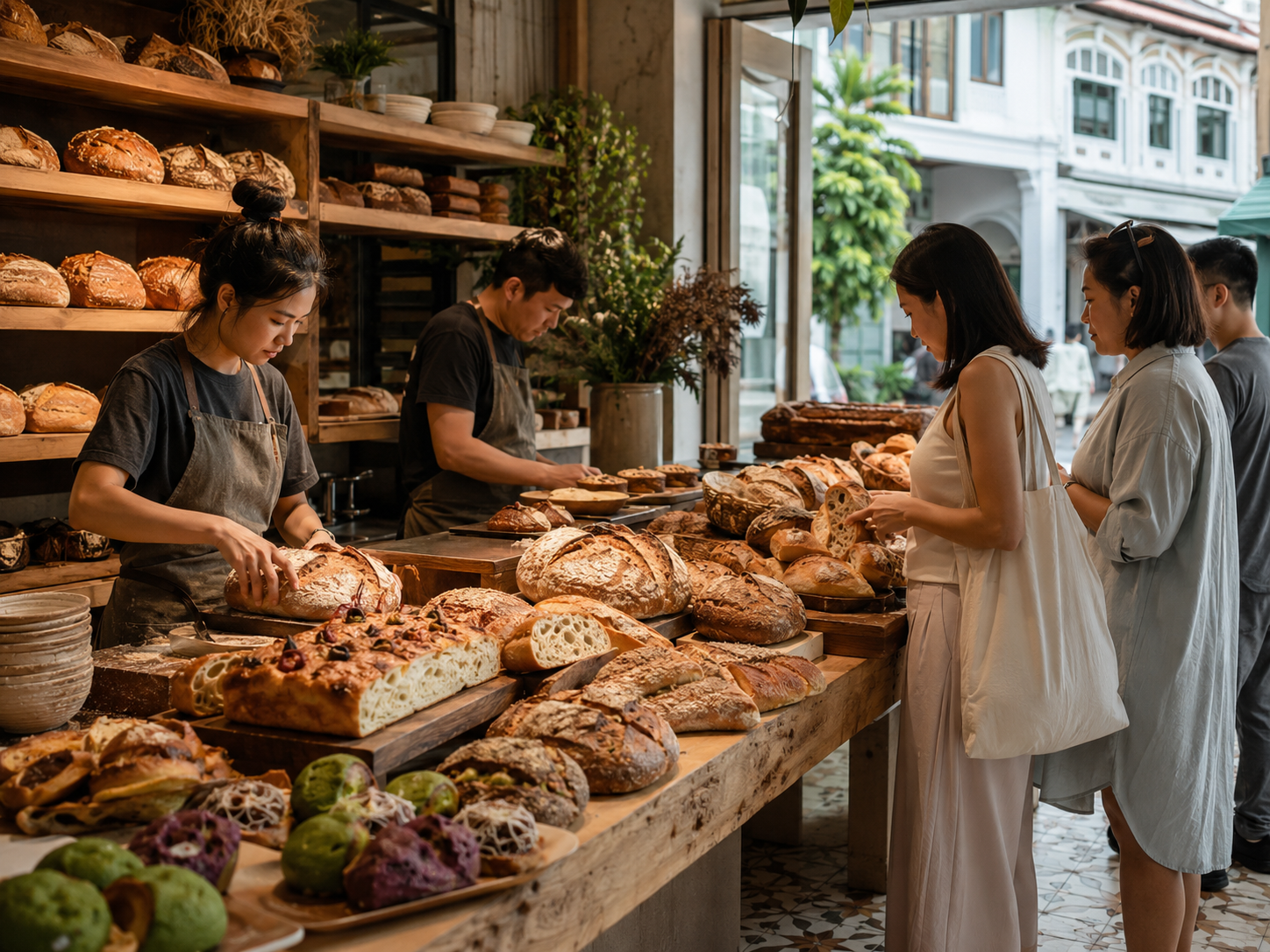
Singapore’s cuisine is often celebrated for its diversity, but behind that diversity lies a practical reality: most food ingredients are imported. This makes local ingredients in Singaporean cuisine especially important, not as a replacement for imports, but as a way to strengthen freshness, stability, and long-term sustainability.
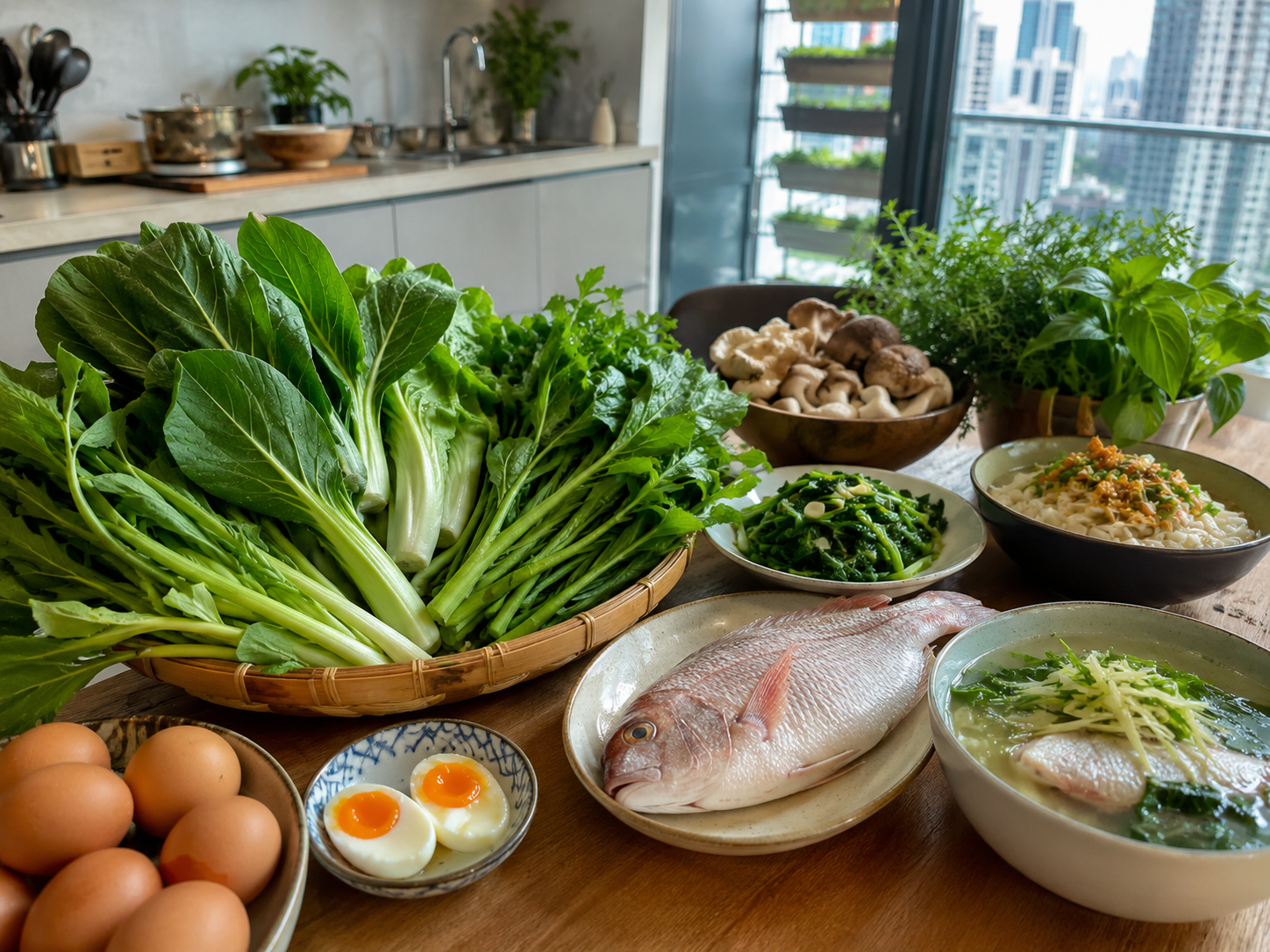
Local ingredients in Singapore typically include vegetables grown in urban farms, locally raised eggs, fish from aquaculture farms, mushrooms cultivated in controlled environments, and selected herbs and greens. While the variety may seem limited compared to larger countries, these ingredients are highly relevant in everyday meals.
One of the most immediate benefits of local ingredients is freshness. Because they travel shorter distances, they can reach kitchens faster. In practical cooking terms, this affects texture and taste more than many people expect. Leafy vegetables like spinach or nai bai retain their crunch better when fresh, making them ideal for quick stir-fries or light soups commonly found in Singaporean home cooking.
Fish is another important category. Locally farmed fish is often used in dishes such as sliced fish soup or steamed fish with soy sauce. These dishes depend heavily on freshness because the flavor is subtle and easily affected by storage conditions. When the fish is fresh, the broth or steam-based cooking method can highlight natural sweetness rather than mask imperfections.
From a sustainability perspective, local ingredients are part of Singapore’s broader strategy to improve food security. The country has limited agricultural land, so it invests heavily in technology-driven farming systems. These include vertical farms, hydroponics, and indoor aquaculture. The goal is not self-sufficiency, but resilience—ensuring that a portion of food demand can be met locally even when global supply chains are disrupted.
The Singapore Food Agency provides useful information about these efforts, including local farming initiatives: https://www.sfa.gov.sg/food-farming
At the household level, sustainability becomes much simpler. It is not about strict rules or lifestyle overhauls. Instead, it is about small, repeatable habits. Choosing local vegetables for weekday meals, using local eggs for breakfast, or incorporating local herbs into cooking are all practical steps that do not require major changes in diet.
One overlooked benefit of local ingredients is reduced food waste. Fresher produce often lasts longer in the refrigerator, giving households more flexibility in meal planning. This can make a noticeable difference for busy individuals who may not cook every day.
There is also a cultural dimension. Singaporean cuisine has always evolved through adaptation. Dishes like laksa, Hainanese chicken rice, and nasi lemak reflect a blend of regional influences. Local ingredients do not replace this heritage; they support its continued evolution. A modern version of a traditional dish may use locally grown greens or eggs while maintaining the original flavor profile.
For practical cooking, the key is simplicity. Local ingredients tend to work best in straightforward preparations where their freshness can stand out. Garlic stir-fried vegetables, clear soups, steamed eggs, and light noodle dishes are all good examples. Overcomplicating them can sometimes reduce the natural quality of the ingredients.
Ultimately, the importance of local ingredients in Singaporean cuisine lies in balance. They are not meant to dominate the food system, but to strengthen it. By combining imported variety with local reliability, Singapore maintains both culinary diversity and long-term resilience in its food culture.