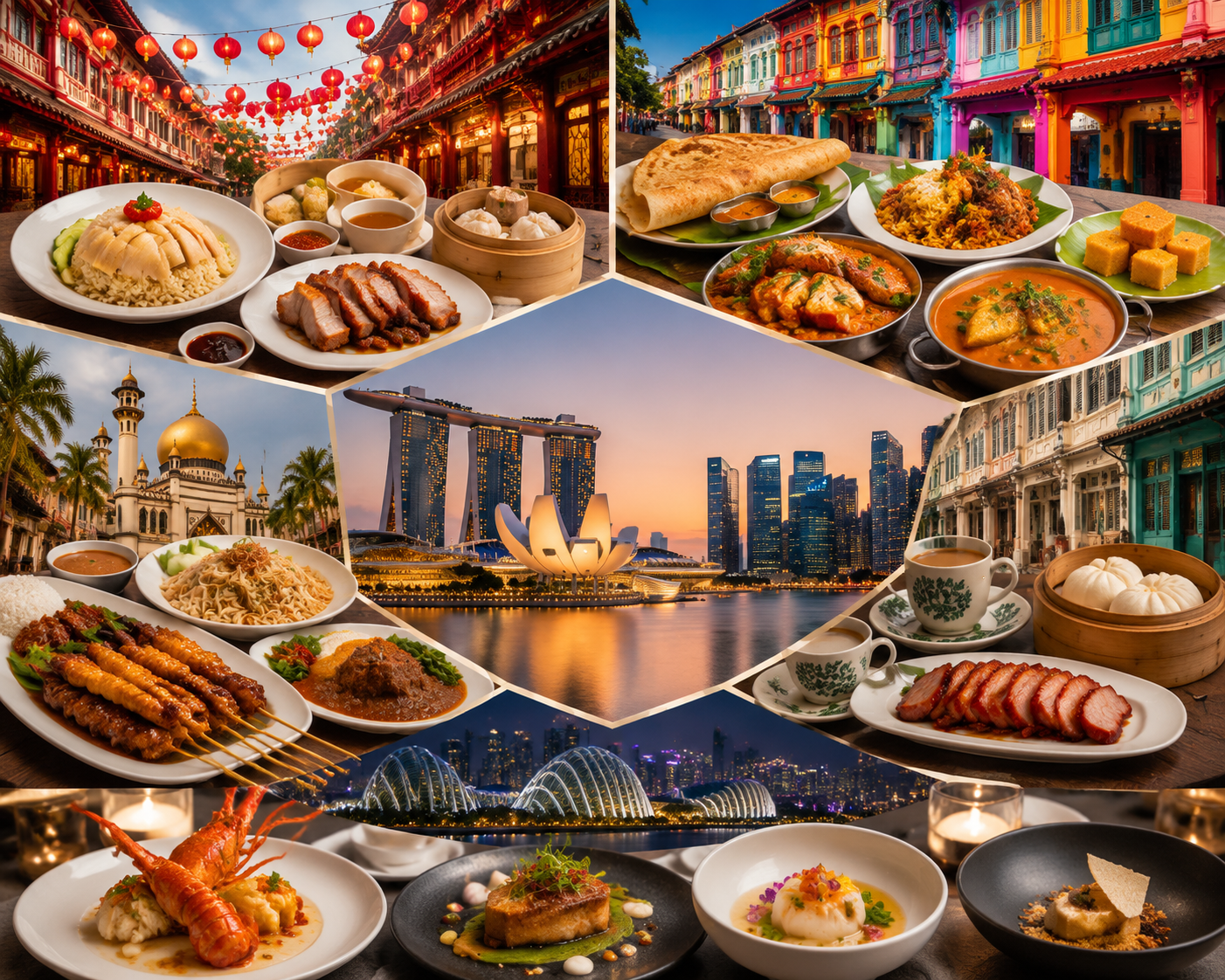
Food is at the heart of every festival in Singapore. The island nation is famous for its vibrant food culture, where diverse ethnic groups come together to celebrate their unique culinary traditions. Whether it’s a cultural festival or a food-centric celebration, the role of food is paramount, providing a way for people to connect with their roots and honor their heritage. Singapore’s festivals are a chance to explore the rich and varied flavors that shape the nation’s food identity.
Festivals as a Showcase of Cultural Diversity
Singapore’s food festivals are a celebration of the cultural mosaic that defines the country. Chinese New Year, Hari Raya Puasa, Deepavali, and the Singapore Food Festival are all opportunities to enjoy foods that reflect Singapore’s rich cultural tapestry. These festivals serve as a reminder of the importance of food in Singapore’s history and the ways in which different cultures have influenced the local food scene.
During Chinese New Year, traditional foods like bak kwa (barbecued meat) and tangerines symbolize prosperity, while during Hari Raya Puasa, a variety of Malay dishes such as nasi lemak (coconut rice) and rendang showcase the rich flavors of Malay cuisine. Similarly, Deepavali, the Hindu festival of lights, features traditional Indian sweets like kaju katli and gulab jamun, which hold spiritual significance.
Singapore Food Festival: A Culinary Extravaganza
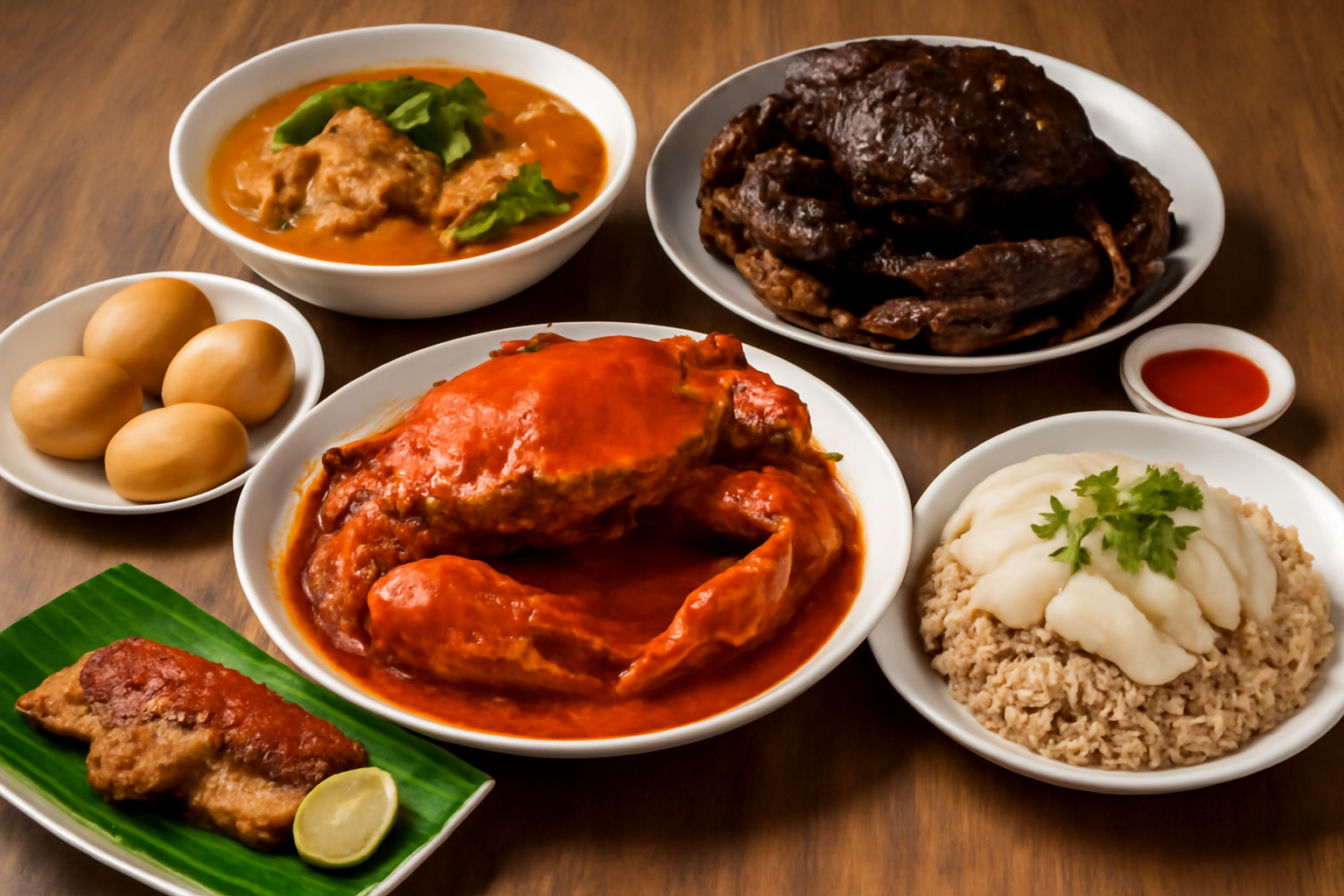
The Singapore Food Festival is a highlight of the local culinary calendar. Each year, the festival attracts food enthusiasts who are eager to experience the country’s most iconic dishes. With an emphasis on showcasing local hawker food, the festival features everything from traditional chilli crab to lesser-known but equally delicious dishes like satay and hainanese chicken rice.
The event also provides an opportunity to learn about the history behind each dish. Through cooking demonstrations, food workshops, and talks by renowned chefs, the Singapore Food Festival offers an immersive experience that highlights both the traditional and evolving nature of Singaporean cuisine.
A Fusion of Tradition and Innovation
What sets Singapore’s food scene apart is its ability to blend tradition with innovation. The island’s chefs are known for their creativity, taking classic dishes and giving them modern twists. Festivals like the Singapore Food Festival showcase this culinary innovation, where traditional dishes are updated with new ingredients, techniques, and presentation styles.
For instance, laksa might be served with unexpected ingredients like lobster or truffle oil, giving it a contemporary flair. This fusion of flavors reflects Singapore’s ability to embrace global culinary trends while remaining grounded in its cultural roots.
Food as a Reflection of Singapore’s Multicultural Identity
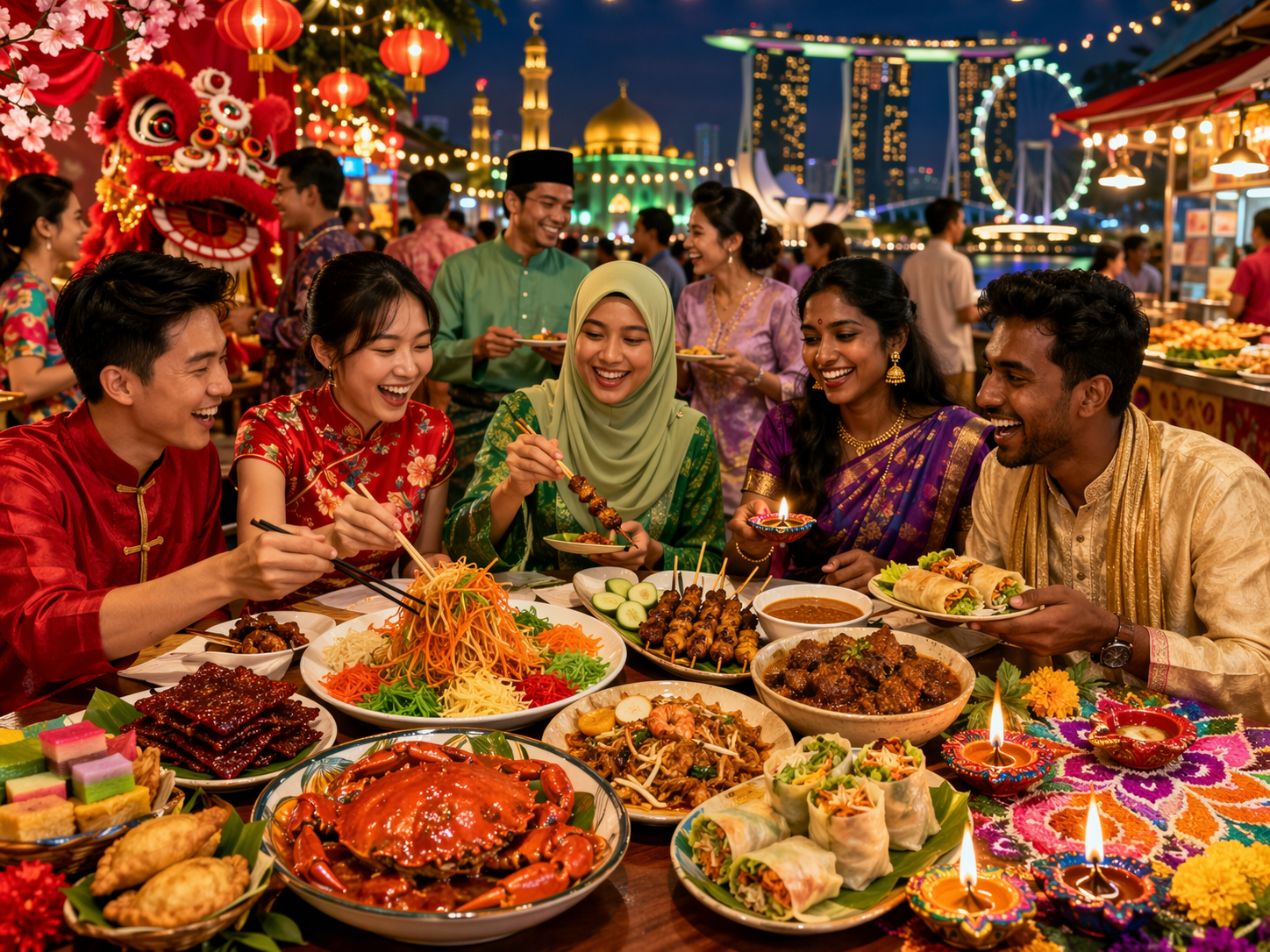
Food plays a pivotal role in fostering a sense of community and unity among Singapore’s diverse population. At food festivals, people from various backgrounds come together to share meals, learn about different cultures, and celebrate the shared joy of eating. Food festivals create a space where individuals can experience the unity that comes from appreciating one another’s cultures through food.
Whether it’s a Malay family sharing ketupat during Hari Raya or a group of friends tossing yu sheng during Chinese New Year, the act of sharing food reinforces the idea that food is a universal language of connection.
A Must-Visit for Culinary Tourists
For those visiting Singapore, attending a food festival is an unforgettable experience. The opportunity to sample a wide range of authentic dishes, from street food to gourmet offerings, provides a comprehensive understanding of the country’s culinary landscape. Food tours, cooking workshops, and tasting sessions add to the allure, giving tourists a deeper appreciation of the flavors that define Singapore.
Singapore’s food festivals offer a rich and immersive experience, celebrating the cultural diversity, traditions, and innovation that make the country’s cuisine truly unique.