Singapore’s commitment to improving public health through disease prevention is rooted in the belief that many chronic diseases can be prevented through lifestyle changes and early detection. Raising awareness about the importance of disease prevention is crucial to achieving these goals. Through a combination of public health initiatives, educational campaigns, and advanced healthcare services, Singapore has developed a robust framework that supports disease prevention and promotes a healthier society.
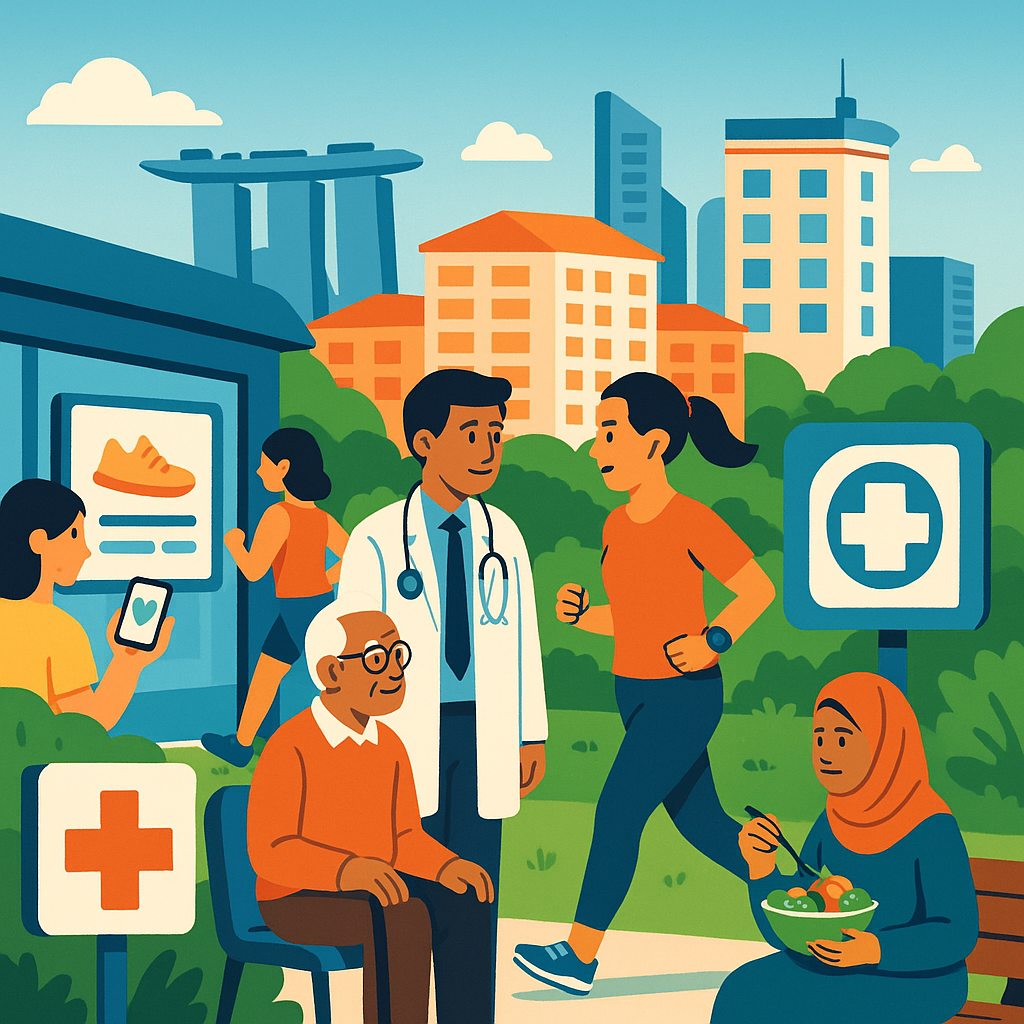
Health education is the foundation of many of Singapore’s disease prevention efforts. The government frequently runs campaigns designed to inform citizens about the risks of chronic diseases and the steps they can take to prevent them. For instance, the “Eat, Drink, Shop” initiative targets young adults and promotes healthy eating choices, while the “Get Active” campaign encourages individuals of all ages to engage in regular physical activity. These campaigns leverage digital platforms, television, and print media to reach a wide audience, making health information accessible to all.
In addition to national campaigns, local healthcare providers play a vital role in disease prevention. In Singapore, family doctors and clinics actively engage with patients to provide personalized advice on maintaining a healthy lifestyle. Regular health screenings, such as cholesterol and blood pressure checks, are common practices that help detect early warning signs of potential health issues. By catching these conditions early, healthcare professionals can intervene before more serious complications develop.
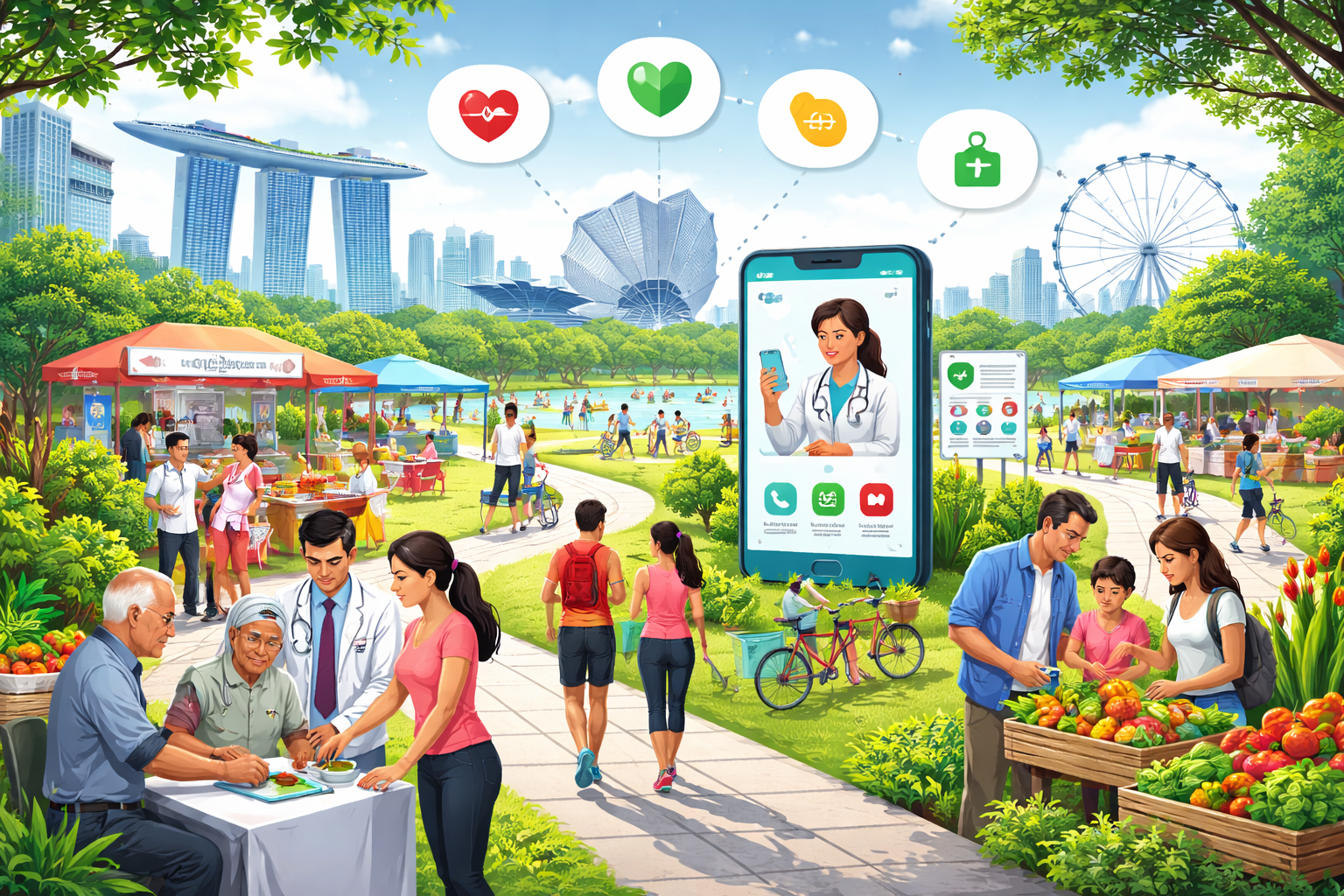
Another significant aspect of disease prevention is the integration of technology into healthcare services. Digital health platforms, such as “HealthHub,” allow individuals to access personalized health information and book appointments with healthcare providers. Moreover, telemedicine services have gained popularity in recent years, enabling people to consult doctors remotely, which is particularly beneficial for those with limited mobility or busy schedules.
The government’s efforts are also supported by non-governmental organizations and community-based programs that provide resources and support to individuals at risk. These initiatives often focus on vulnerable populations, such as the elderly, low-income families, and migrant workers. By offering free health screenings, exercise programs, and educational workshops, these programs ensure that disease prevention is accessible to all, regardless of background or income level.