Singapore’s fashion industry is entering a new stage as smart textiles become more relevant to modern life. Smart textiles are fabrics that contain technological features, allowing clothing to sense, react, communicate, or perform special functions. This development is changing how people think about garments. Clothing is no longer just a personal style statement; it can also become a tool for wellness, protection, sustainability, and digital interaction.
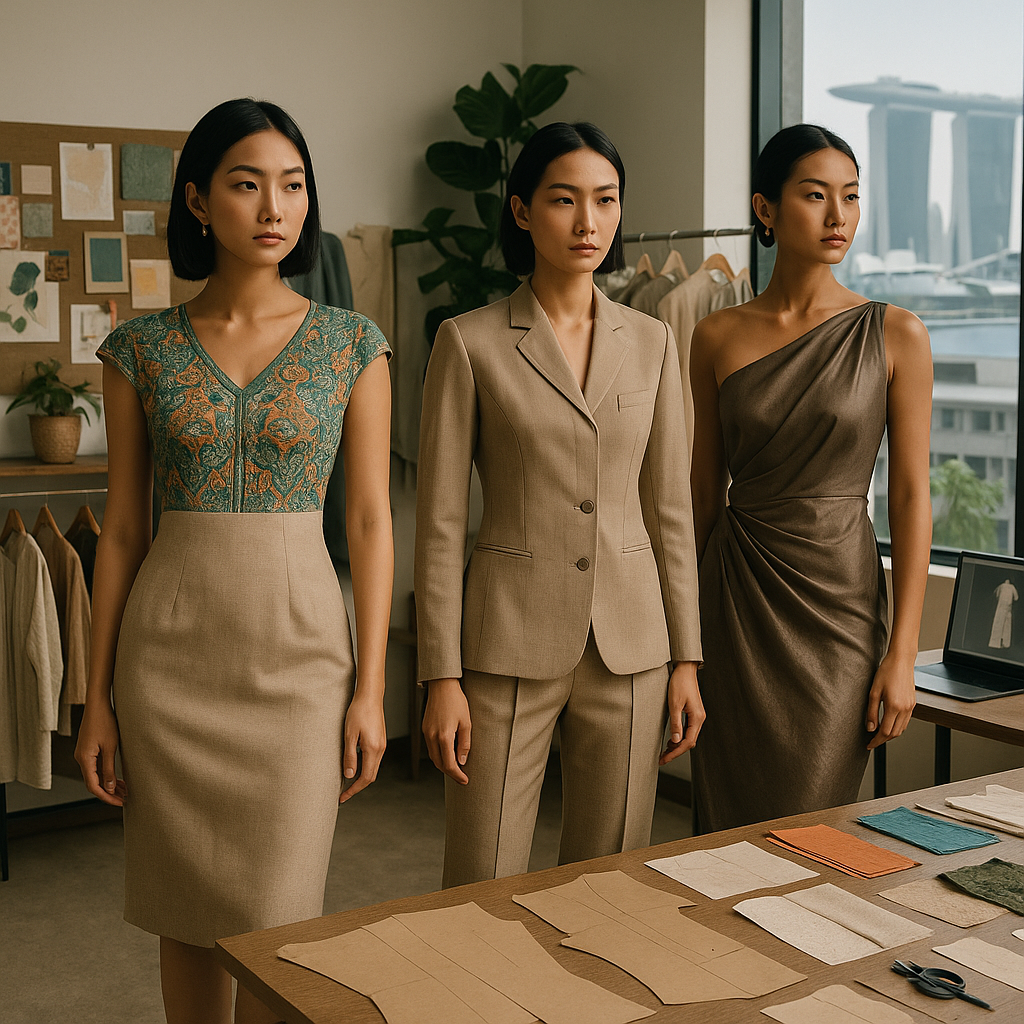
One reason Singapore is suitable for smart textile innovation is its advanced technology ecosystem. The country has strong research institutions, skilled engineers, digital startups, and government support for innovation. These elements create a productive environment where fashion and science can meet. Designers can experiment with conductive threads, flexible sensors, responsive fabrics, and lightweight electronic components to create garments that serve practical purposes.
In healthcare, smart textiles have significant potential. A shirt embedded with sensors can monitor heart activity, breathing, and movement. For patients recovering from illness or surgery, such clothing may help doctors observe progress outside the hospital. For elderly people, smart garments could detect unusual changes in movement or vital signs. This is valuable in Singapore, where healthcare systems are increasingly exploring digital and remote care solutions.
Smart clothing can also improve athletic performance. Sportswear with built-in sensors can help users understand how their bodies move during exercise. It may detect muscle tension, running form, balance, or fatigue. Fitness users in Singapore, from casual joggers to competitive athletes, can benefit from real-time feedback. Instead of guessing whether they are training effectively, they can use clothing-generated data to improve technique and prevent injury.
Climate is another reason smart textiles are useful in Singapore. The country’s tropical weather creates challenges such as heat, sweat, and humidity. Innovative fabrics can be designed to improve ventilation, control moisture, reduce bacterial growth, and maintain comfort. Some materials may even respond to temperature changes by becoming more breathable when the body heats up. This type of clothing is especially practical for people who commute, work outdoors, or move frequently between indoor and outdoor environments.
In the retail sector, smart fashion creates new possibilities. Stores can offer interactive experiences where customers learn how garments function, not just how they look. Augmented reality mirrors, body scanning systems, and personalized styling platforms can help shoppers choose clothing that fits their needs. A customer might select a smart jacket based on lifestyle, weather conditions, design preference, and technological function.
However, the growth of smart clothing must also address sustainability. Combining electronics with fabric can make recycling more difficult. If smart garments are not designed carefully, they may contribute to electronic and textile waste. Singapore’s sustainability goals make this issue especially important. Designers may need to create modular garments where electronic parts can be removed, repaired, upgraded, or recycled separately. This approach can extend product life and reduce waste.
Consumer acceptance is another key factor. Many people may be interested in smart clothing, but they also want garments that are comfortable, attractive, washable, and affordable. If the technology feels unnecessary or uncomfortable, it will remain a niche product. Successful smart fashion must balance innovation with everyday practicality.
Singapore’s fashion future may depend on this balance between creativity and usefulness. Smart textiles can help the industry move beyond seasonal trends and toward meaningful innovation. By combining elegant design with health monitoring, climate comfort, workplace safety, and sustainability, Singapore can become a strong contributor to the global smart clothing movement.