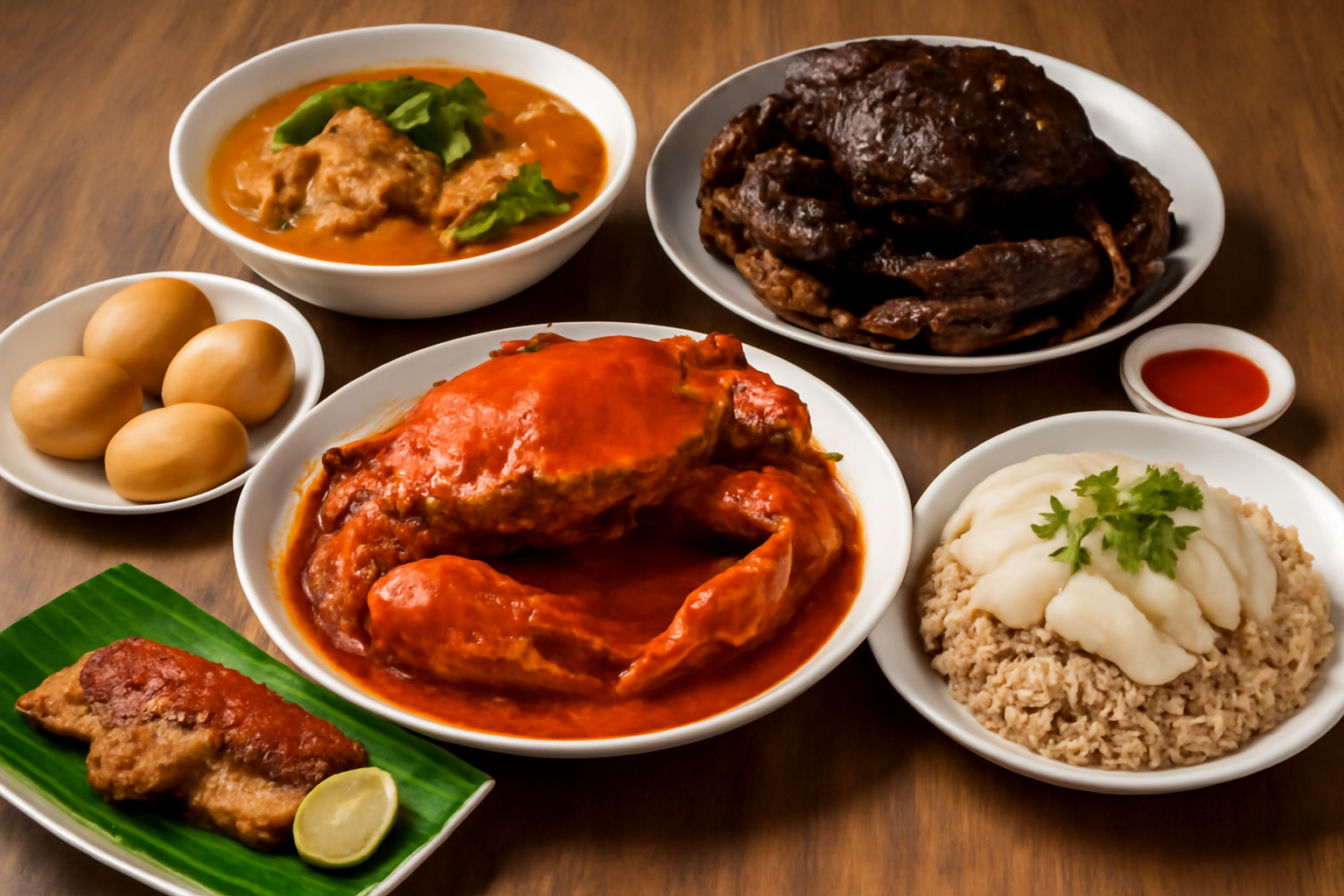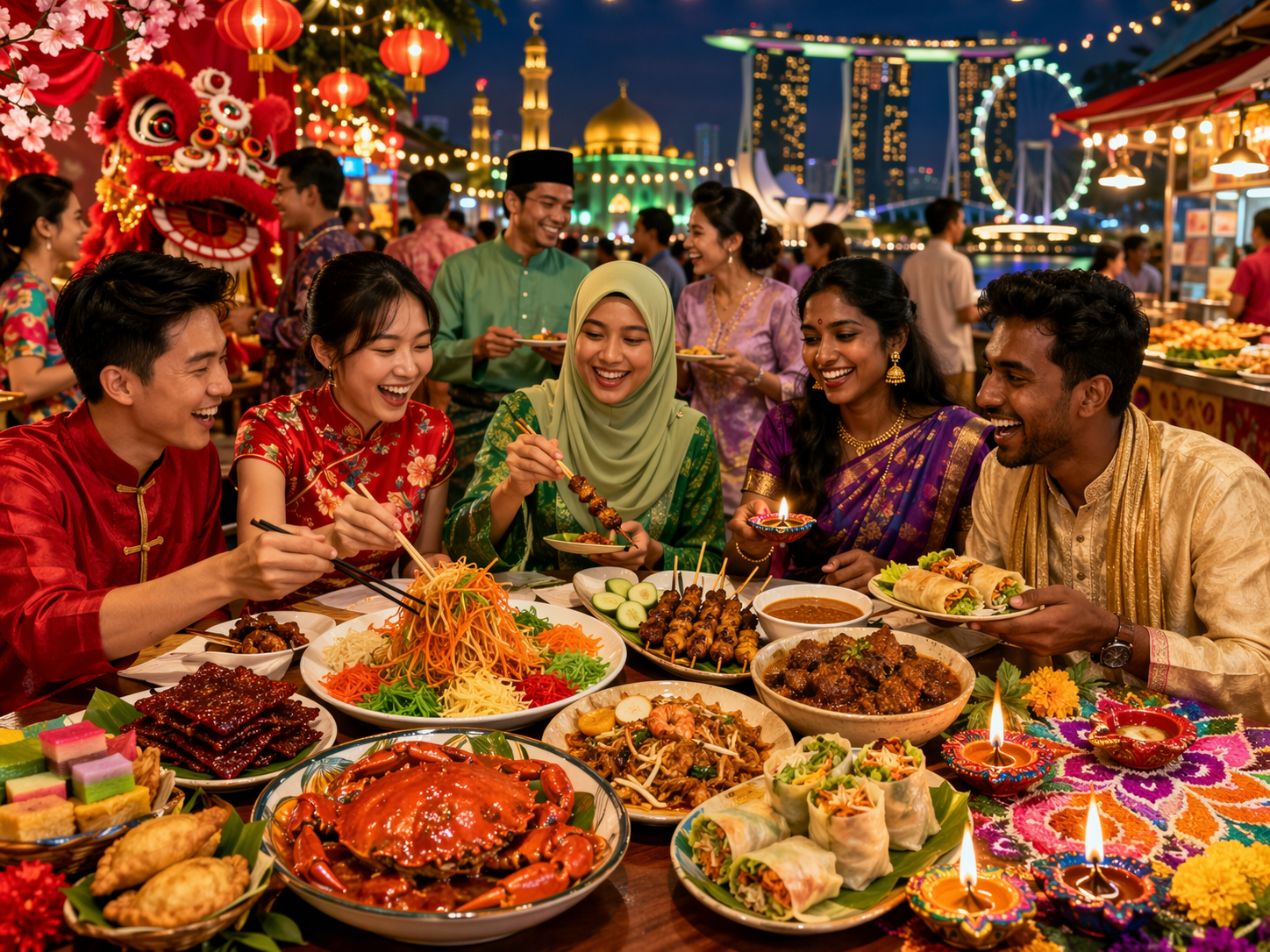
Singapore’s diverse culinary scene is a reflection of its multicultural heritage, and one of the most remarkable cuisines that exemplifies this blend is Peranakan food. Also referred to as Nyonya cuisine, it represents a beautiful fusion of Malay and Chinese cooking traditions, developed over centuries by the descendants of Chinese immigrants who settled in Southeast Asia and intermarried with the local Malay population. Today, Peranakan cuisine is a cornerstone of Singapore’s food culture, celebrated for its complexity, vibrancy, and deep cultural roots.
The origins of Peranakan cuisine can be traced back to the 15th and 16th centuries when Chinese traders and immigrants, mainly from the southern regions of China, began settling in the Malay Archipelago. As these settlers adapted to their new environment, they incorporated local Malay ingredients and spices into their cooking. Over time, this integration of flavors led to the creation of a distinctive culinary style that combines the best of both worlds—the refined techniques of Chinese cuisine and the bold, aromatic spices of Malay cooking.
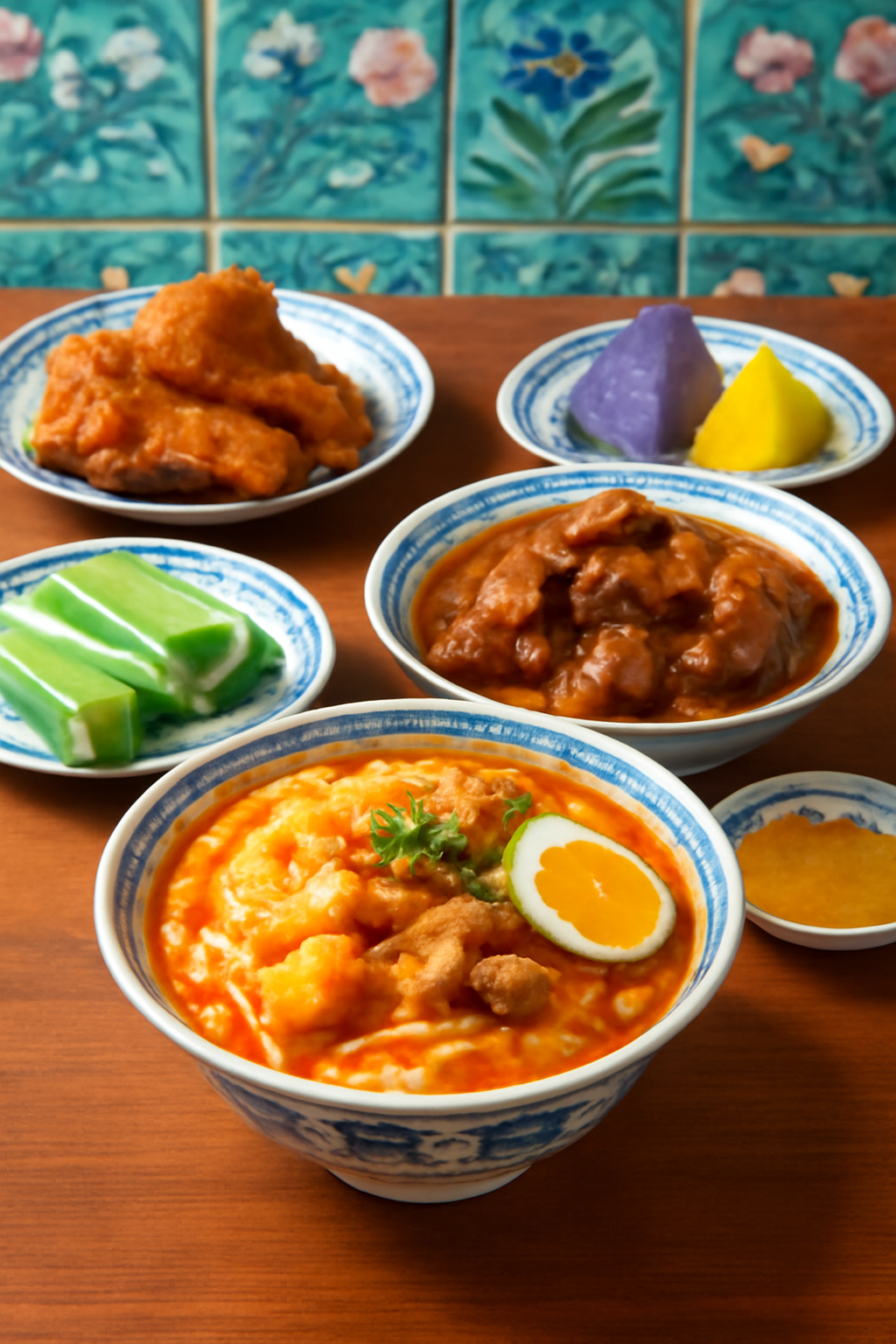
Peranakan food is known for its rich and layered flavors, which result from the expert use of various spices, herbs, and seasonings. Dishes often feature a combination of spicy, sour, sweet, and salty flavors, creating a harmonious balance. A popular dish is soto ayam, a spiced chicken soup that blends Chinese-style broth with Malay herbs such as lemongrass, kaffir lime leaves, and turmeric. Another dish that represents this culinary fusion is ikan masak asam, a tangy fish stew made with tamarind, a favorite souring agent in Malay cuisine, and a variety of Chinese ingredients like fermented soybeans.
Peranakan cuisine is also known for its delectable sweets and pastries. Kueh, small cakes or pastries, are an essential part of the Peranakan culinary tradition, with ingredients such as coconut milk, pandan, and glutinous rice taking center stage. One of the most iconic kueh is kueh sarlat, which consists of a glutinous rice base topped with a smooth, pandan-infused custard. Another beloved dessert is pulut inti, sticky rice wrapped in banana leaves and topped with sweet coconut filling.
In addition to its rich flavor profile, Peranakan cuisine is also characterized by its intricate cooking methods. Stewing, braising, and frying are common techniques used to create the depth and complexity of flavors that define this cuisine. The cooking process often takes time and patience, which is reflected in the tender textures and harmonious tastes that emerge from the dishes.
Peranakan food has become a symbol of Singapore’s multicultural identity, offering a delicious way to explore the fusion of Chinese and Malay culinary traditions. While many dishes have remained true to their roots, modern interpretations of these classics continue to evolve, keeping the spirit of Peranakan cuisine alive in contemporary times. For anyone visiting Singapore, experiencing Peranakan food is an essential part of understanding the nation’s rich cultural and culinary heritage.