Singapore’s fashion world is built on duality: a strong cultural foundation and an outward-facing global outlook. As one of Asia’s most connected cities, Singapore absorbs international fashion rapidly—yet it also carries a visible, celebrated heritage formed by diverse communities. The outcome is a style culture that blends the familiar and the international in ways that feel effortless rather than forced.
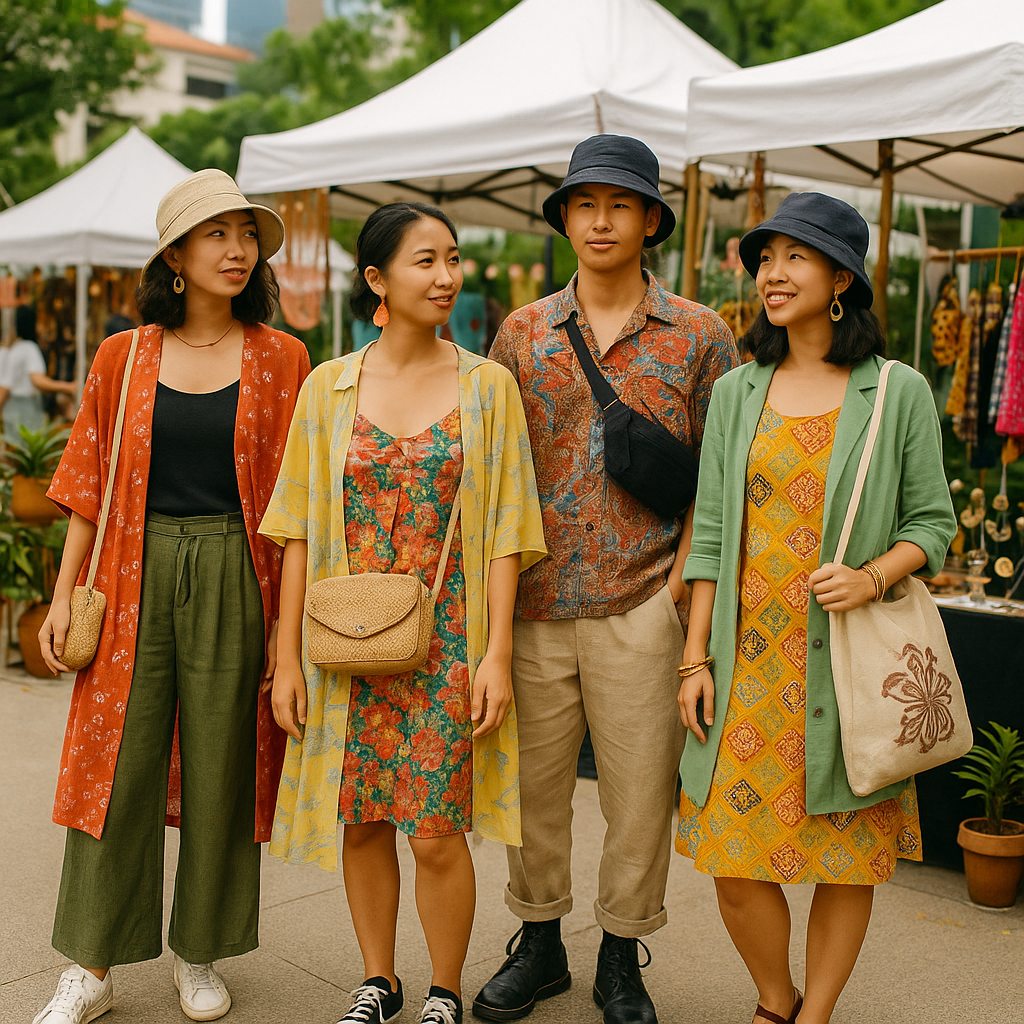
Local culture provides a deep reservoir of inspiration. Traditional clothing—cheongsams, kebayas, baju kurung, and sarees—remains central during cultural holidays and significant life events. These garments are not only clothing but also expressions of history, craft, and identity. Designers today often reinterpret their components: the clean elegance of a cheongsam becomes the basis for contemporary dresses; kebaya lace appears as modern overlays and sleeves; batik motifs are simplified into graphic prints that work for casualwear. The adaptation keeps heritage alive while matching modern lifestyles.
Textiles are particularly important in Singapore’s local-global fusion. Batik, embroidery, beadwork, and patterned weaving techniques are frequently referenced, sometimes through direct sourcing and sometimes through visual reinterpretation. Peranakan aesthetics—known for colorful, ornate detail—continue to influence accessories and statement pieces. A modern Singaporean brand might highlight a heritage textile as a focal point while keeping the silhouette minimal, allowing tradition to stand out in a modern frame.
Global fashion’s presence is unmistakable. International luxury brands, contemporary designer labels, and large retailers provide constant exposure to trends from fashion capitals. Social media shortens the distance even more, bringing runway moments and micro-trends into daily conversation. In Singapore, this doesn’t necessarily create uniformity; instead, it encourages mix-and-match styling. People combine globally recognizable items—sneakers, oversized shirts, tailored blazers—with culturally informed details, like heritage prints, traditional jewelry, or festival-inspired color palettes.
Climate shapes how these influences are worn. Singapore’s heat and humidity favor breathable fabrics, loose silhouettes, and styling that looks polished without feeling heavy. Many wardrobes revolve around smart basics that can handle a full day: light shirts, wide-leg trousers, midi dresses, and comfortable footwear for walking and commuting. The city’s indoor-outdoor temperature shifts also make layering an art—thin jackets, scarves used as styling accents, and versatile pieces that adapt to air-conditioned offices.
Fashion spaces across Singapore reflect different priorities. Orchard Road offers a global retail experience and acts as a stage for luxury consumption, international launches, and fashion events. Meanwhile, areas such as Kampong Glam, Bugis, and creative markets support independent designers and emerging subcultures. These scenes are often where experimentation happens: streetwear collaborations, modest fashion edits, and upcycled designs that respond to sustainability concerns.
Modest fashion sits comfortably within Singapore’s mainstream style. Cultural expectations and regional connections mean modest silhouettes are widely available and creatively explored. Designers make modest pieces contemporary through fabric innovation, coordinated sets, and refined tailoring. Rather than being seen as limiting, modest fashion in Singapore often becomes a platform for elegant minimalism and clever layering.
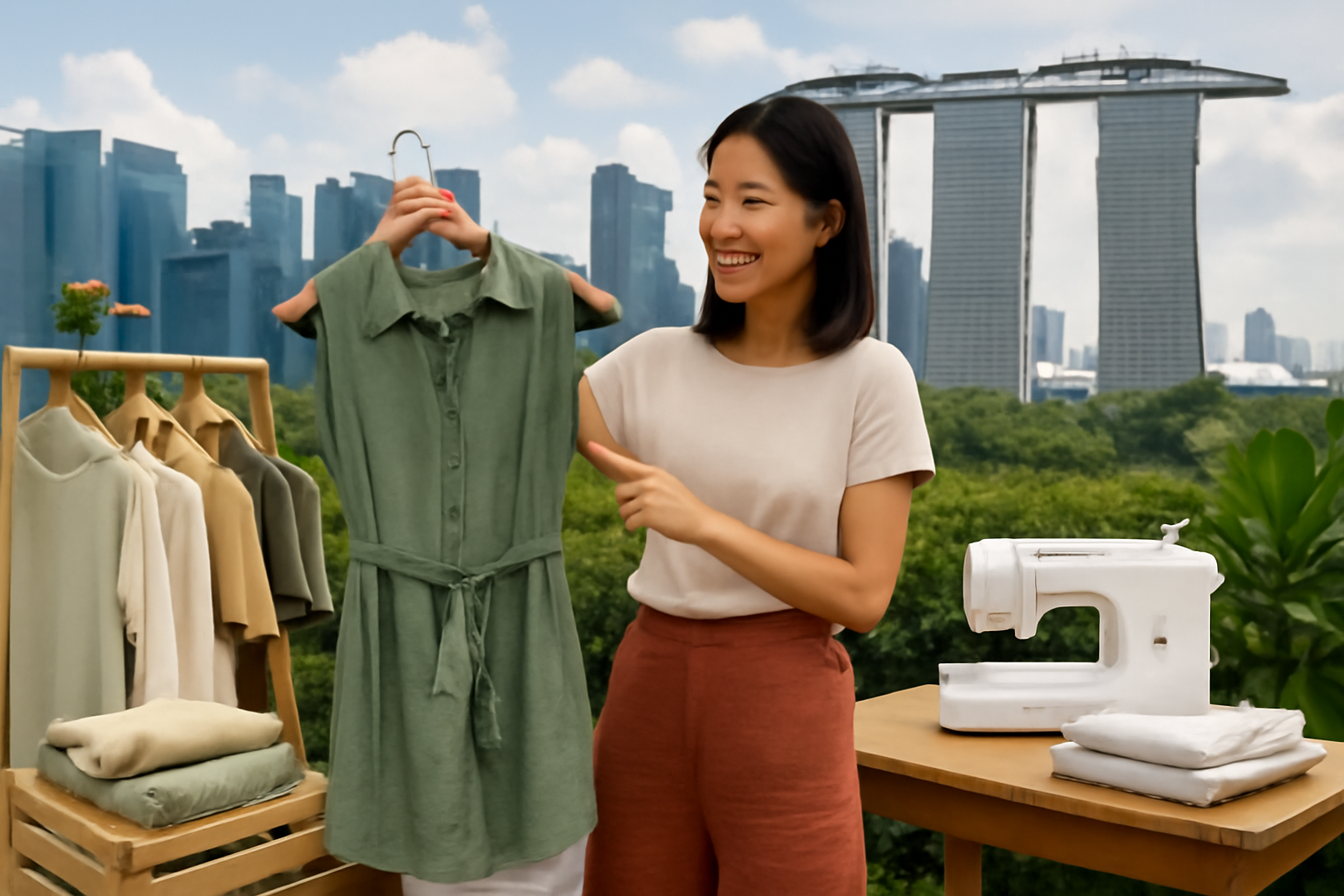
Sustainability and conscious consumerism are steadily influencing the market. Thrifting, resale platforms, rental services, and small-batch local labels are more visible than before. Singapore’s consistent climate supports the idea of seasonless wardrobes, encouraging investment in durable pieces that can be styled repeatedly rather than replaced every few months.
Singapore’s fashion identity is best described as a continuous conversation between heritage and modernity. Local culture offers meaning and craft, global influence delivers freshness and variety, and tropical practicality ensures wearability. The combination creates a fashion landscape that is richly layered—both in history and in style.