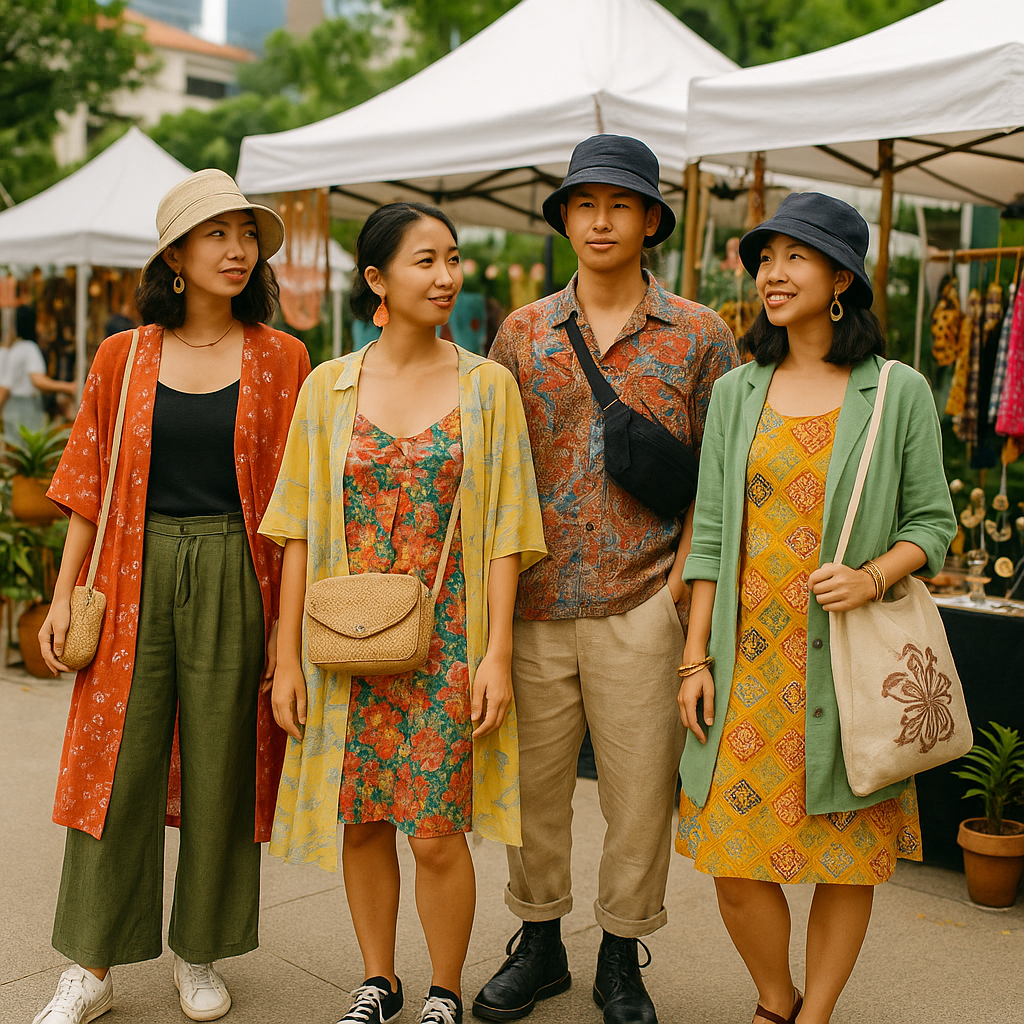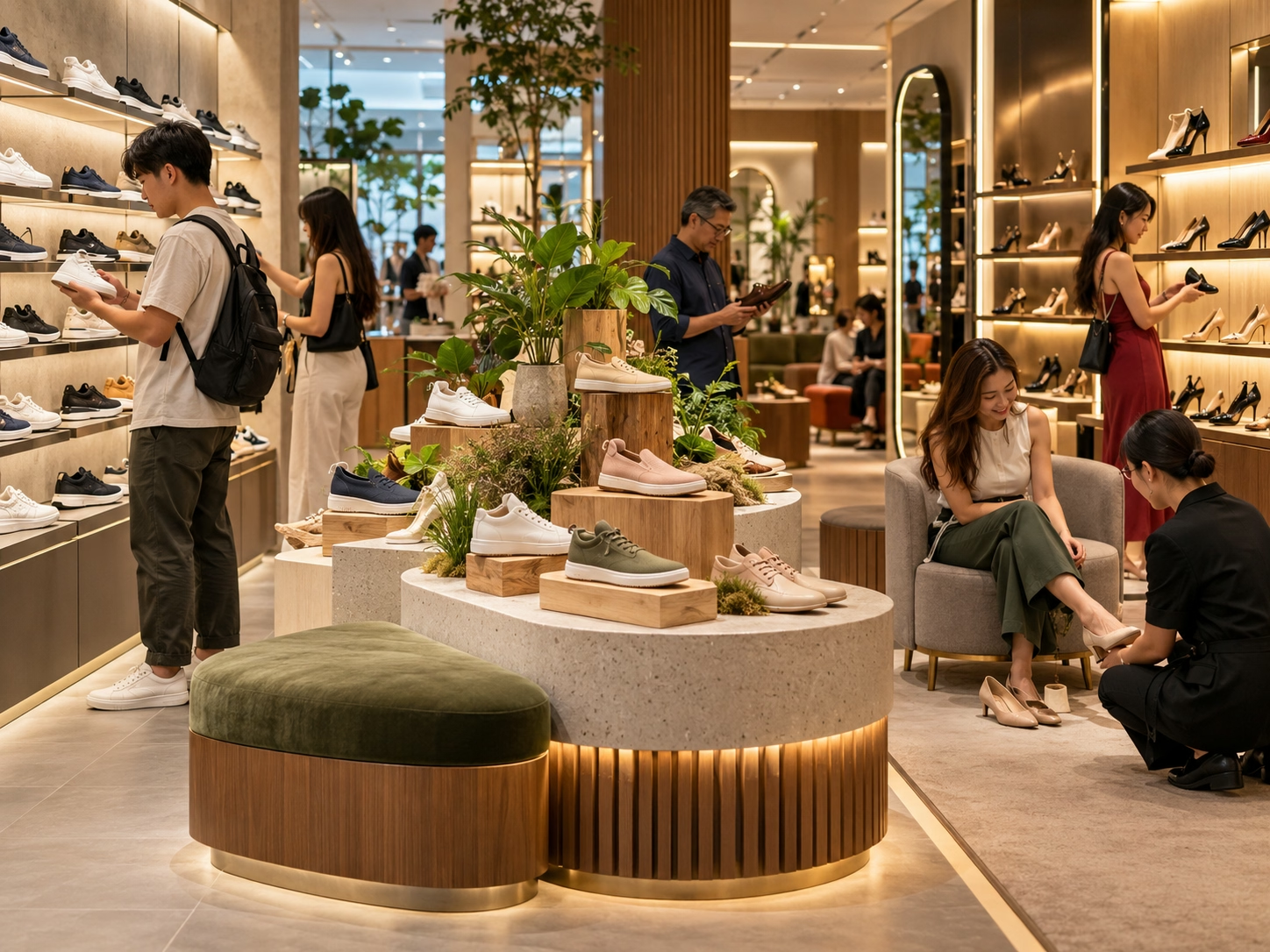
Behind Singapore’s preloved fashion growth is an operational story. Resale startups are not simply posting photos online; they are building inspection processes, pricing models, logistics networks and customer-service systems. In 2026, the sector’s credibility depends on making second-hand purchases feel as predictable as buying new.
From classifieds to curated commerce
Early resale in Singapore was dominated by classified-style listings. That model remains useful, but it places the burden of trust on individuals. Curated consignment stores and platform-mediated resale shift that burden to the business. They photograph items, grade condition, set prices and handle payouts. For sellers, this reduces hassle. For buyers, it creates a more consistent experience. The trade-off is commission, but many consumers accept it when the service reduces risk.
Authentication and condition grading
Luxury resale is particularly sensitive to authenticity. Platforms increasingly use specialist authenticators, serial-number checks and dispute-resolution policies. At lower price points, condition grading matters more than authentication: stains, pilling, missing buttons and altered hems must be disclosed clearly. In 2026, the most trusted resale businesses are those that standardise these descriptions rather than rely on vague terms such as “good condition”.
Logistics as a competitive edge
Singapore’s small size is an advantage for resale operations. Centralised drop-off points, courier collection and pop-up inspection events can shorten the time between listing and delivery. Some businesses also offer cleaning or minor repairs before sale. These services increase cost but can raise conversion rates and reduce returns. The resale market is learning that convenience is not a nice-to-have; it is central to competing with new retail.
Policy and consumer education
National sustainability messaging supports the sector. The Singapore Green Plan 2030 outlines circular-economy and sustainable-living goals, giving resale businesses a policy context to explain their value: https://www.greenplan.gov.sg/. Yet policy alone does not close sales. Consumer education on textile care, repair and resale value helps shoppers see second-hand clothing as an asset rather than clutter. Brands can also participate through take-back programmes and trade-in credits, though these schemes need transparent resale pathways to avoid becoming marketing exercises.
The next scaling challenge
The sector’s next hurdle is profitability at volume. Authentication, photography and returns are labour-intensive. Businesses that invest in data—pricing, demand forecasting and fraud detection—may gain an edge. The larger opportunity is to make resale a habitual first stop for fashion, not a fallback. In Singapore’s compact, digitally mature market, that goal is realistic if trust and traceability continue to improve.