Chronic sleep deprivation has become one of Asia’s most pressing health concerns, and Singapore’s luxury hotels are responding with a new generation of sleep-focused stays. Dubbed sleep tourism, the trend combines blackout curtains, circadian lighting, pillow menus, and guided digital detox protocols. For travellers who land in Changi exhausted by long-haul flights and late-night emails, these programmes offer a structured way to reset the nervous system.
The Rise of Sleep Tourism in Singapore’s Five-Star Hotels
Several five-star properties have retooled entire floors for sleep health. The Fullerton Hotel Singapore partners with sleep scientists to provide customised pillow libraries, weighted blankets, and white-noise machines. Parkroyal Collection Marina Bay introduced Wellness Suites with circadian lighting that shifts from energising blue in the morning to warm amber after sunset. Capella Singapore’s sleep butler service prepares a turndown ritual that includes herbal tisanes, eye masks, and in-room stretching guides. These are not gimmicks; they reflect growing consumer demand for measurable restoration rather than passive luxury.
Digital Detox Protocols and Mindfulness Spaces
COMO Shambhala Urban Escape at COMO Metropolitan Singapore has positioned itself as the city’s most rigorous digital detox destination. Its 2026 packages include a phone-safe in the room, scheduled screen-free hours, and guided breathwork sessions in the meditation studio. The property’s wellness floor also offers floatation therapy, sound baths, and one-on-one mindfulness coaching. Guests are encouraged to replace morning scrolling with a rooftop tai chi class or a silent breakfast overlooking Bishan Park. Other hotels, including The Warehouse Hotel, run weekend digital detox retreats with no Wi-Fi in designated lounges.
Current Case: A 72-Hour Corporate Recovery Retreat
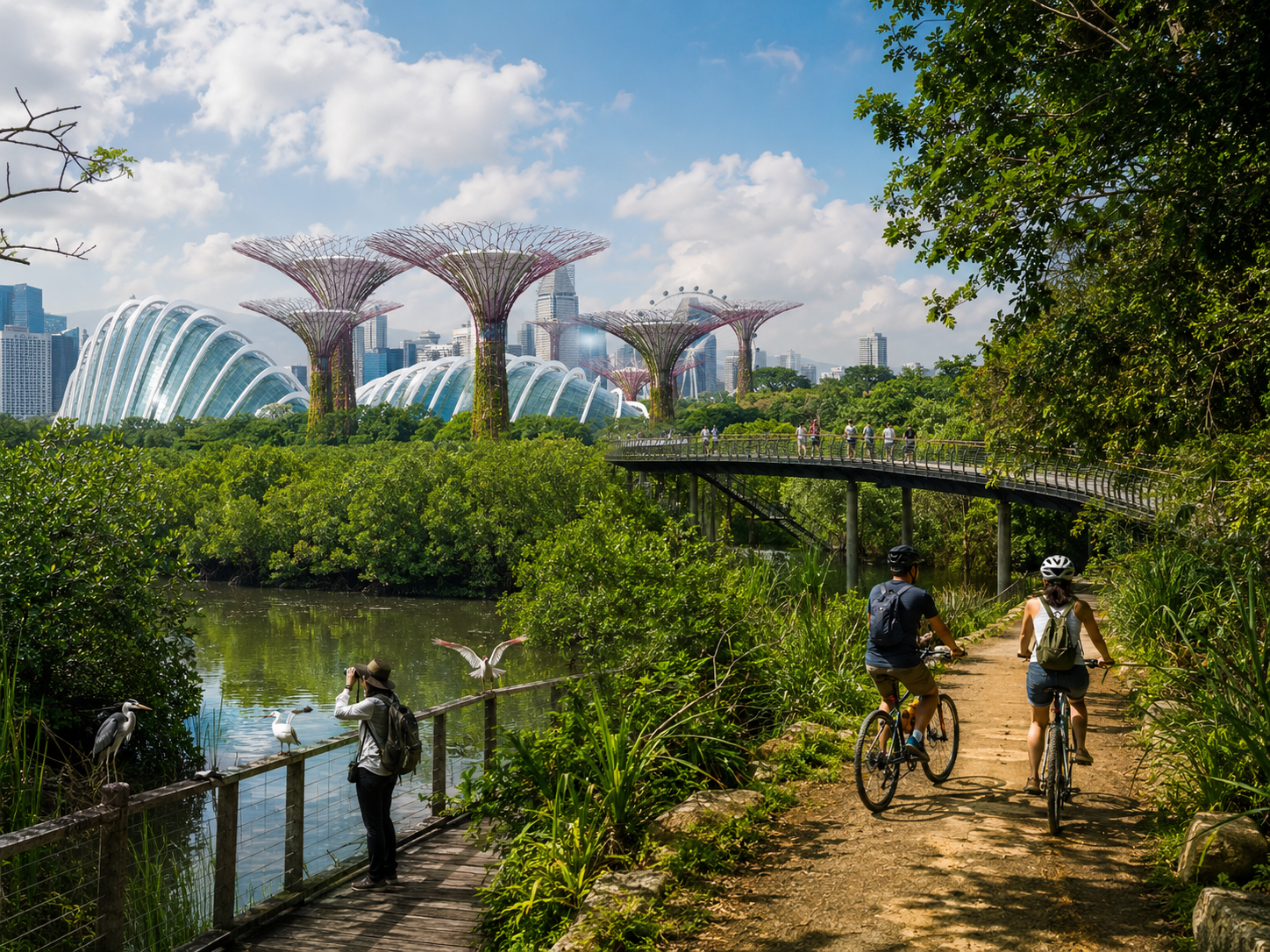
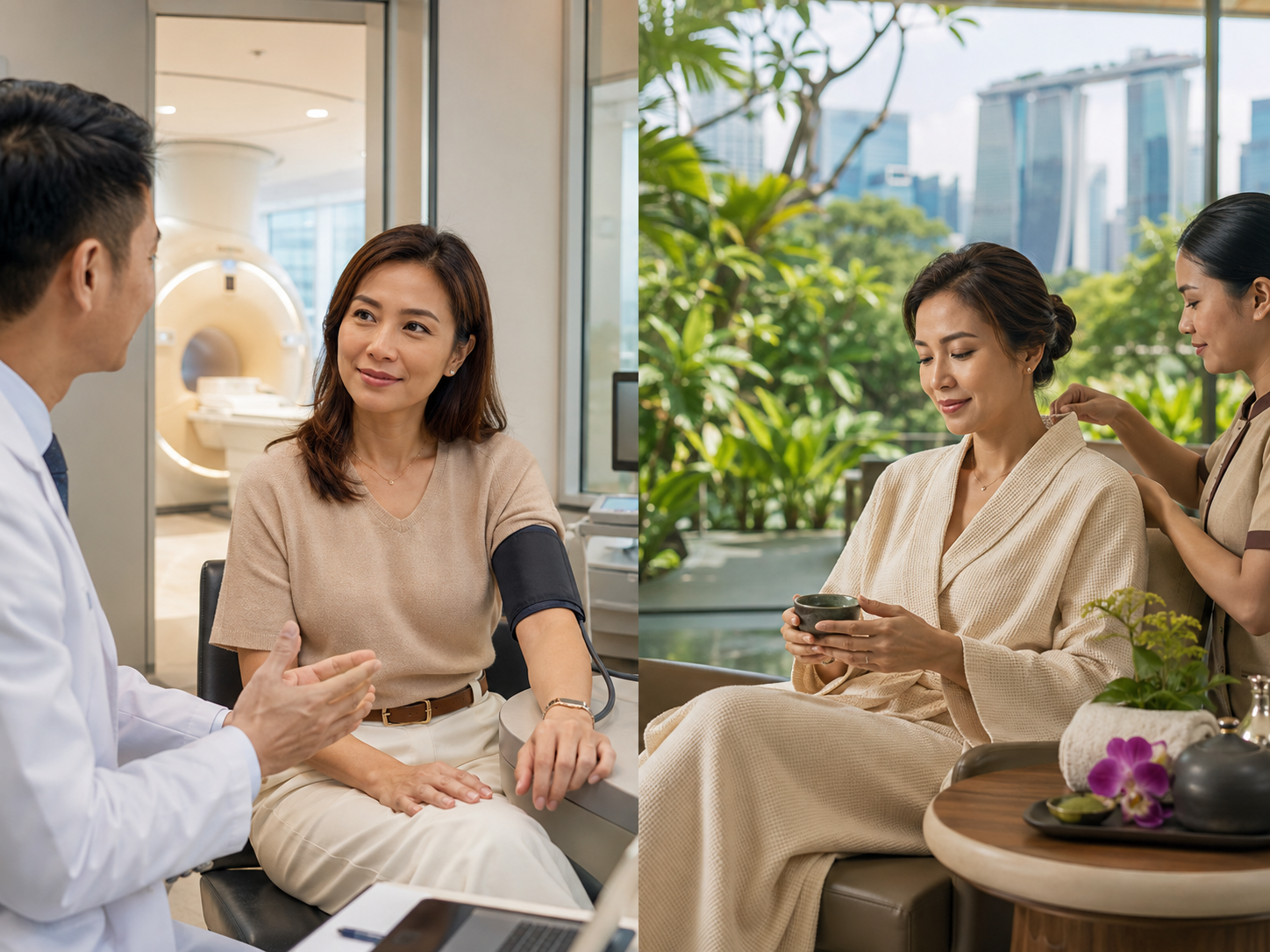
A 41-year-old tech executive from Mumbai checked into the Wellness Floor at Parkroyal Collection Marina Bay after experiencing palpitations and insomnia during a product launch. Her 72-hour programme began with a wearable sleep tracker and a consultation with a sleep physician. The itinerary banned work email, caffeine after noon, and screens in the bedroom. Daily activities included forest walks at Gardens by the Bay, a 30-minute flotation session, and an evening yin yoga class. By the third morning, her deep sleep had increased by 40 minutes. The programme concluded with a personalised sleep hygiene plan she could replicate at home. This model—intensive, measurable, and brief—is why sleep tourism in Singapore appeals to high-performing professionals.
How to Book a Sleep Retreat Without Breaking the Bank
Rates for sleep-focused rooms start at around SGD 350 per night, but off-peak weekday bookings and day passes to wellness floors can reduce costs. Some hotels sell three-hour sleep pods and meditation drop-in sessions for under SGD 80. Travel advisors also package sleep retreats with airport transfers and late checkout, making them viable for a long weekend. Check hotel websites directly, as sleep packages are rarely listed on third-party booking platforms.