The Best Theatre Experience Starts Before the Curtain Rises
Watching theatre in Singapore in 2026 can be more rewarding when audiences understand the context surrounding the performance. The city’s stage culture is shaped by a mixture of international influences and local realities, giving productions the ability to feel accessible while remaining rooted in place.
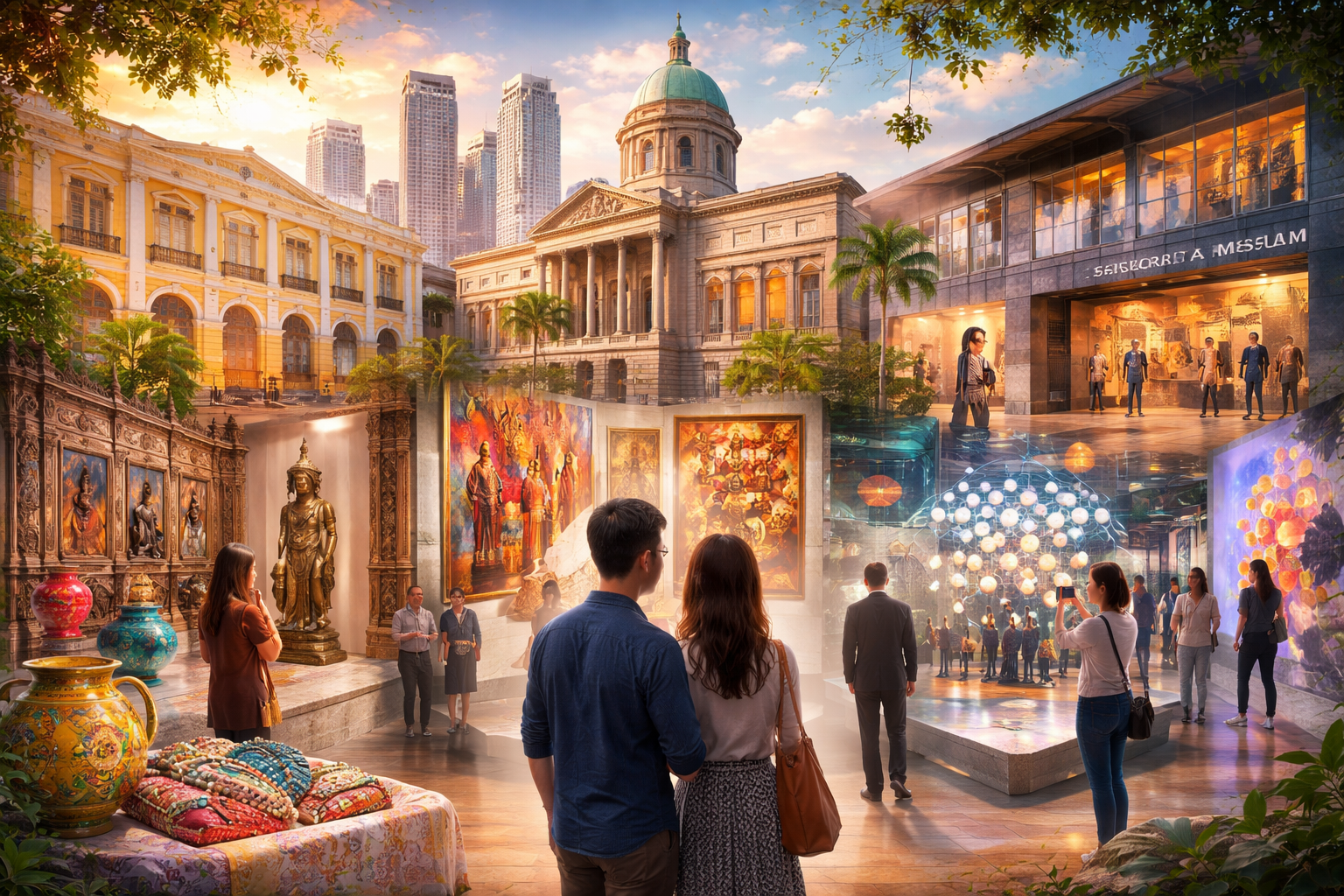
A theatre visit can therefore become part of a wider journey through Singapore. The architecture, neighbourhood, audience and language surrounding a production may all add layers to the story on stage.
This is particularly valuable for travellers who want to move beyond a checklist of attractions and engage with the ideas that shape the city.
Contemporary Companies Bring Social Questions to the Stage
Singapore has theatre companies known for approaching contemporary stories with professional production values and strong performance traditions. Pangdemonium is one example of a company associated with English-language theatre and modern dramatic work.
Readers should consult the official Pangdemonium website to verify current productions and booking information. Direct checking is essential when planning around a specific 2026 date because performance runs, venues and ticket availability can change.
The value of contemporary theatre lies partly in its ability to turn complex issues into personal stories. A broad topic may feel abstract in a news report, but theatre can place that same issue inside a family, friendship or individual decision.
Human Conflict Makes Big Ideas Immediate
The strongest stage works rarely lecture an audience. Instead, they create characters who want different things. Through those conflicts, subjects such as identity, responsibility, social pressure and belonging become emotionally immediate.
This approach is especially effective in a city like Singapore, where rapid development and global connectivity can exist alongside strong traditions and family expectations.
A Major Production and an Intimate Play Offer Different Rewards
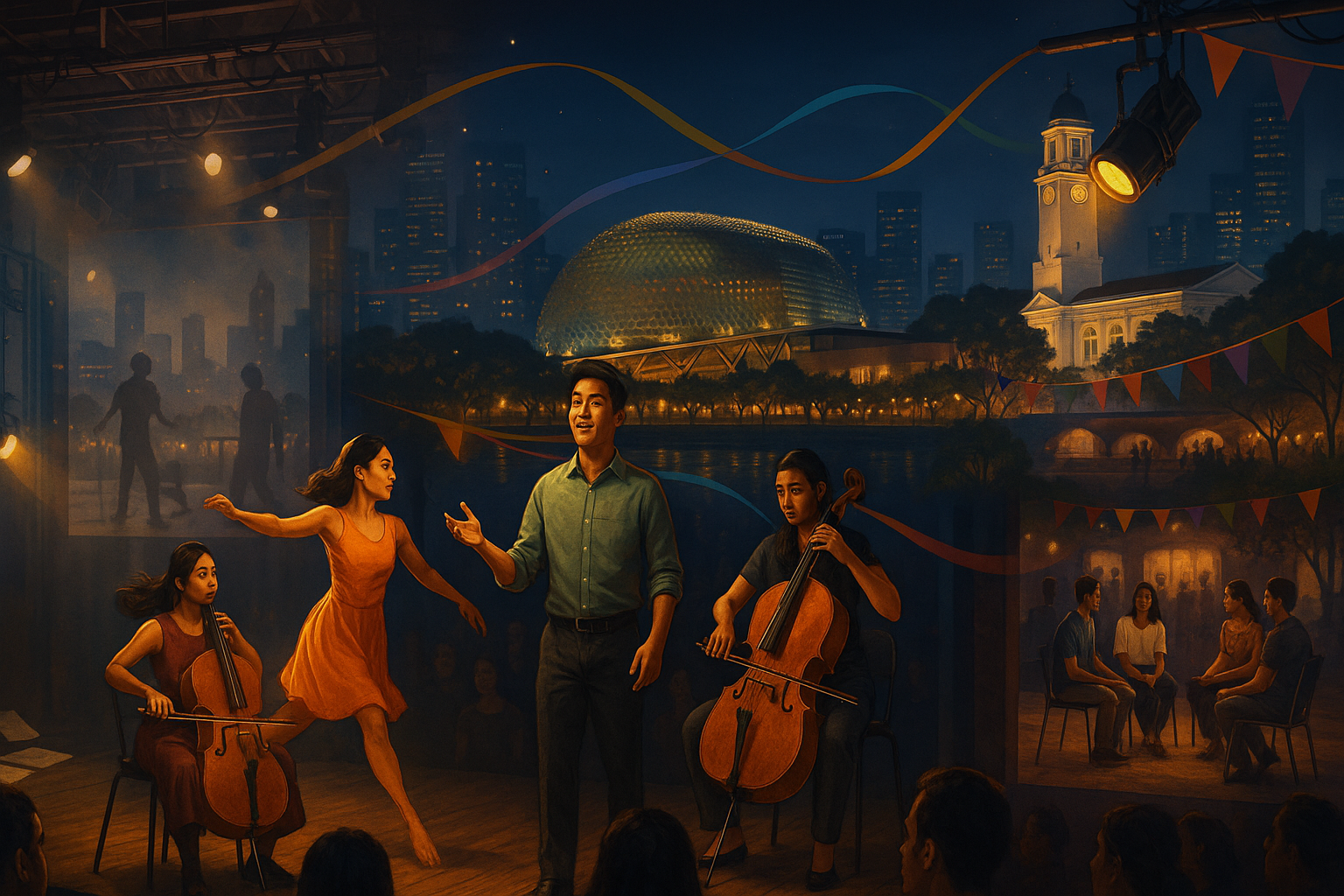
Large productions can impress through design, lighting, sound and scale. They can transform a stage into an entirely different world and make theatre accessible to audiences accustomed to cinematic spectacle.
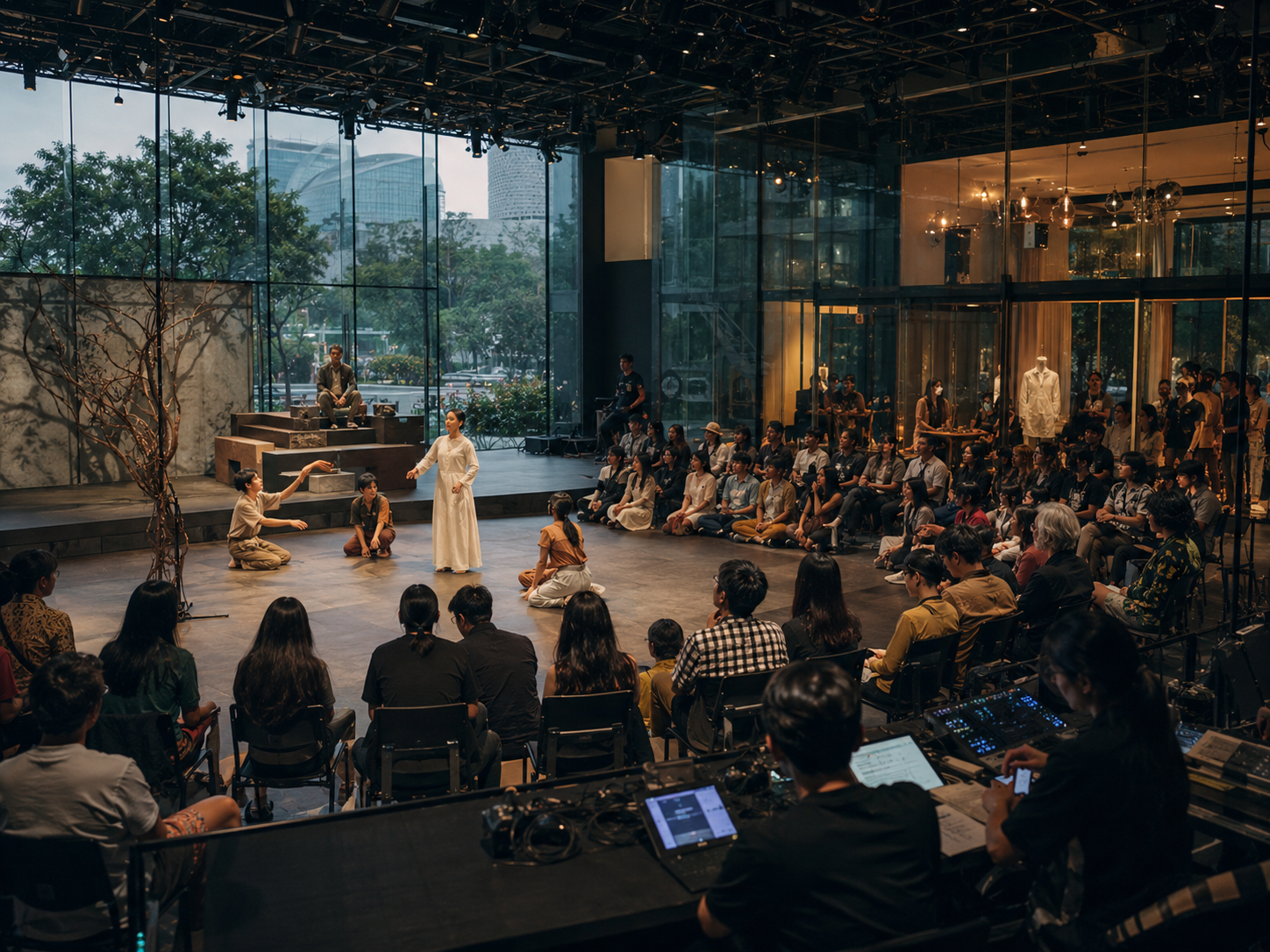
Smaller productions offer another advantage: proximity. The audience may notice every pause, change of expression and moment of discomfort. The emotional distance between actor and spectator becomes smaller.
For anyone exploring Singapore theatre seriously, variety is more valuable than choosing only the biggest show. Experiencing different venues and production styles reveals how broad the city’s theatre culture can be.
Theatre Offers a More Personal View of Singapore
Singapore’s public image often focuses on its skyline, transport system and position as an international business centre. Live performance can reveal a more intimate picture.
The stage can examine private anxieties behind public success. It can question inherited expectations, revisit historical memory or show how different communities experience the same city.
This does not mean every production must be serious. Comedy, satire and musical entertainment can also reveal social attitudes. Humour is often one of the sharpest ways to expose contradictions.
Why Live Performance Still Has Power in 2026
Audiences now have unlimited access to recorded entertainment, yet theatre continues to depend on something deliberately temporary. A performance happens at a particular moment, in a particular room, before a particular audience.
That fragility gives live theatre its value. A mistake, silence or audience reaction can subtly change the atmosphere. The people in the room become participants in a shared event.
In Singapore, this immediacy meets a culturally complex environment. The result is a stage scene capable of presenting international work while also examining local experience. For audiences seeking a deeper understanding of the city, theatre can be one of its most revealing cultural spaces.