Singapore may be known for modern infrastructure and global business, but it has also developed into a remarkable center for art and culture. Its museums and galleries reflect the country’s multicultural character and its strategic role within Asia. Whether someone is interested in classical heritage, modern Southeast Asian painting, or contemporary installations, Singapore presents a wide spectrum of exhibitions that reward close attention.
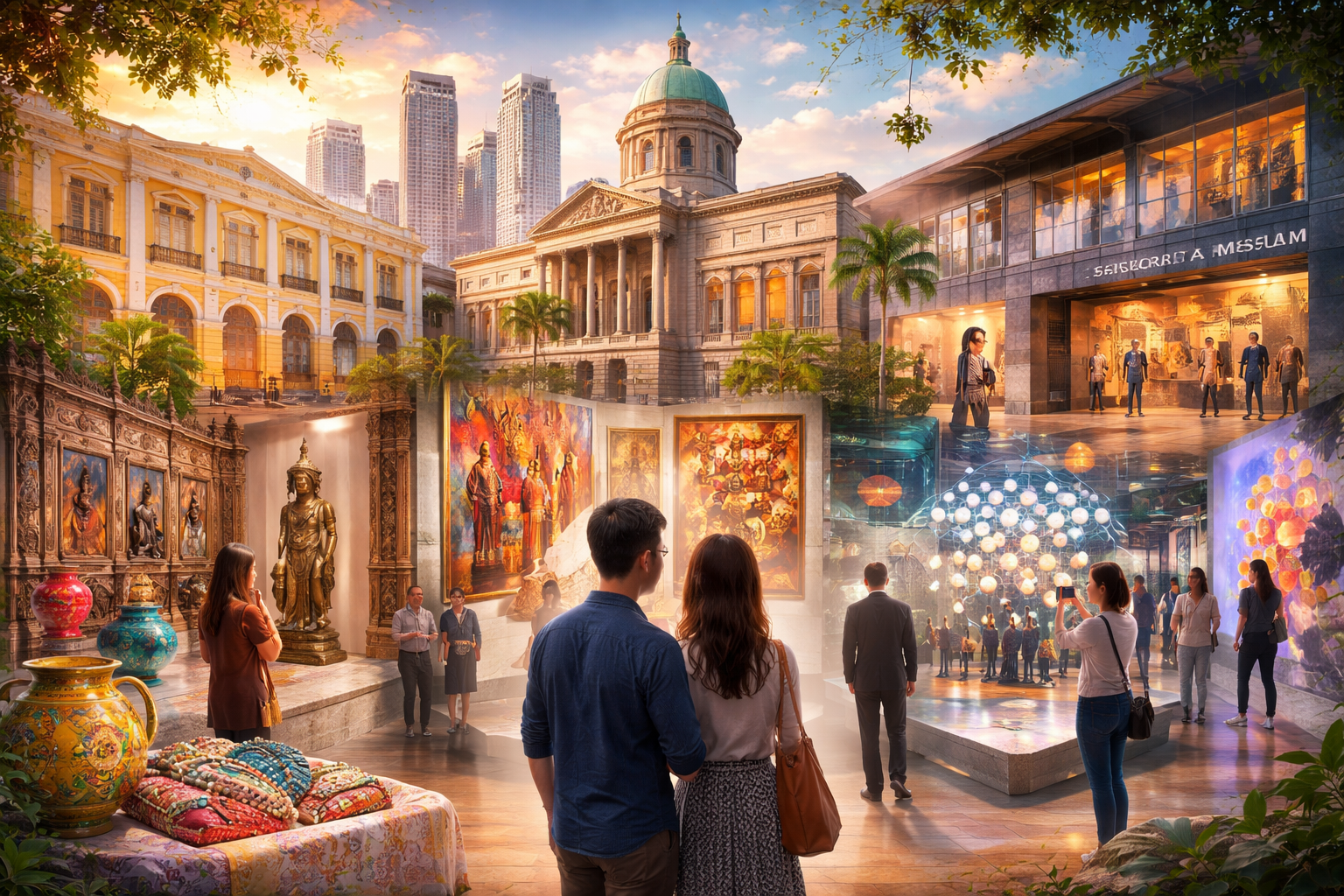
The most prominent institution in this field is the National Gallery Singapore. This museum is widely regarded as one of the finest places to study modern art in Southeast Asia. Its collections bring together major works from Singaporean artists and neighboring countries, offering a regional view that is rarely matched elsewhere. What makes the gallery particularly compelling is its interpretive approach. Rather than displaying art as isolated masterpieces, the museum often frames works within larger social and political narratives. Visitors gain insight into how artistic practices evolved alongside anti-colonial movements, nation-building efforts, and the rapid transformation of urban societies. The museum itself, housed in former government buildings, reinforces the connection between art and public history.
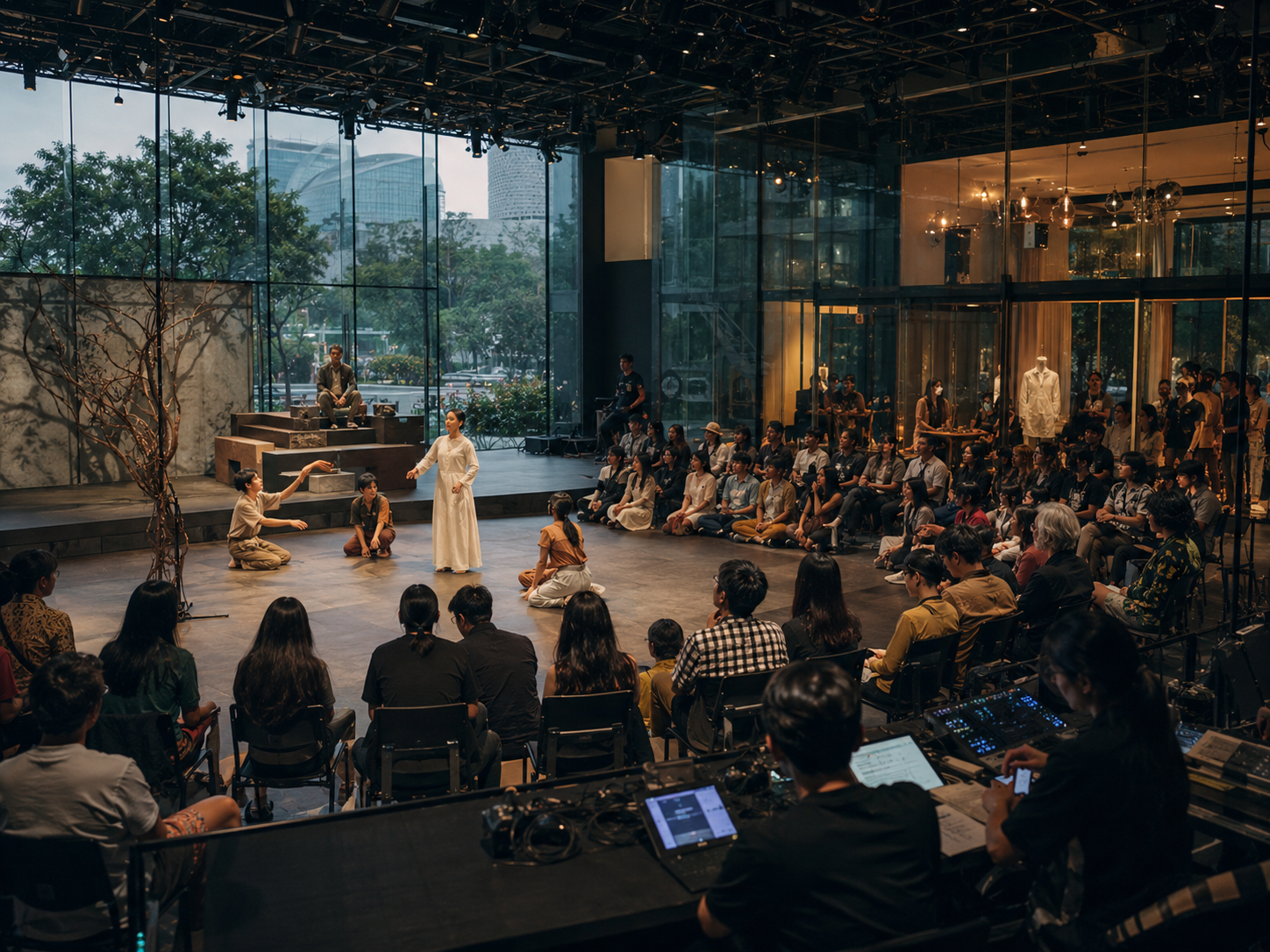
Equally important is the Singapore Art Museum, which has long been associated with contemporary experimentation. The exhibitions here frequently challenge the viewer’s expectations about what art can be. Sound pieces, mixed-media environments, video projections, and participatory installations often take center stage. These displays are not only visually interesting but intellectually engaging, as they frequently deal with urgent themes such as climate anxiety, digital life, inequality, and identity politics. The museum has played a significant role in supporting artists whose works are critical, innovative, and regionally relevant.
For those seeking a culturally specific lens, the Peranakan Museum provides one of the city’s most distinctive experiences. It highlights the artistic heritage of the Peranakan communities through clothing, jewelry, ceramics, furniture, and ritual objects. What makes these exhibitions so valuable is the way they connect aesthetics with lived tradition. Visitors can see how beauty, status, family customs, and spirituality are reflected in crafted objects. This museum is especially effective in showing that artistic expression is not limited to formal fine art institutions; it is also embedded in ceremonies, homes, and communal identity.
Another major cultural destination is the Asian Civilisations Museum, which offers a broader view of Asia’s artistic legacies. Its collections span multiple civilizations and emphasize exchange across regions rather than fixed national boundaries. Exhibitions often reveal how trade and religion influenced artistic production, bringing together objects from China, India, Southeast Asia, and beyond. This approach helps visitors understand Singapore not as an isolated city-state, but as part of a long history of maritime and cultural interaction. The museum is especially rewarding for those who enjoy historical context and cross-cultural comparison.
Outside the museum world, the gallery district at Gillman Barracks is a must for contemporary art followers. This cluster of galleries presents a changing program of exhibitions, often featuring young artists, international collaborations, and concept-driven works. Compared with national museums, the atmosphere is more fluid and exploratory. It is an ideal space for discovering what is current in the regional art market and how galleries shape artistic visibility.
Singapore’s art scene is impressive because it is layered. One can study the historical roots of Asian visual culture in the morning, then spend the afternoon experiencing contemporary works that question the future. This combination of scholarship, accessibility, and innovation makes the city’s exhibitions particularly memorable. For museum lovers and curious travelers alike, Singapore offers more than polished presentation. It offers a deep, evolving conversation about culture, heritage, and creativity in one of Asia’s most dynamic urban settings.