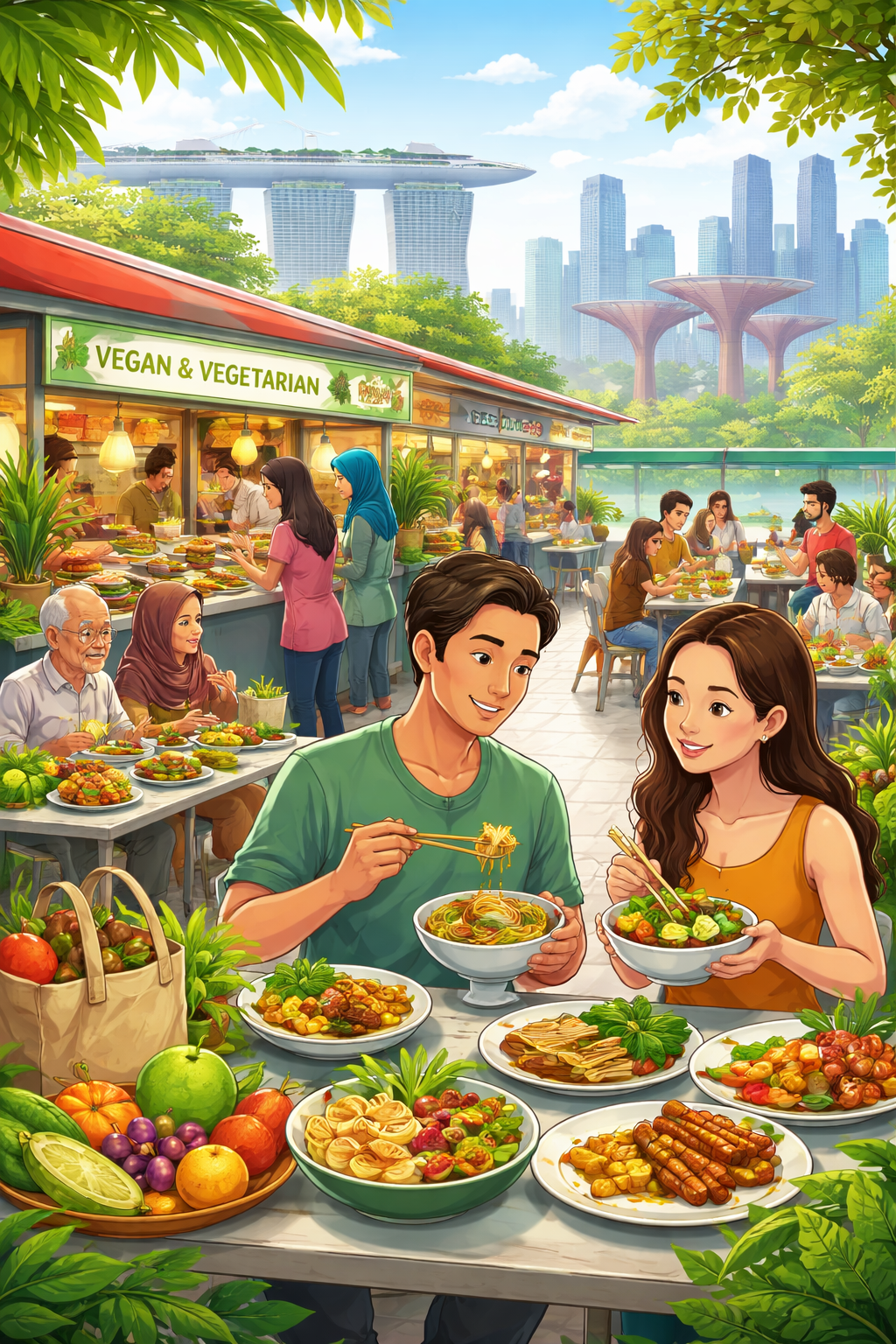
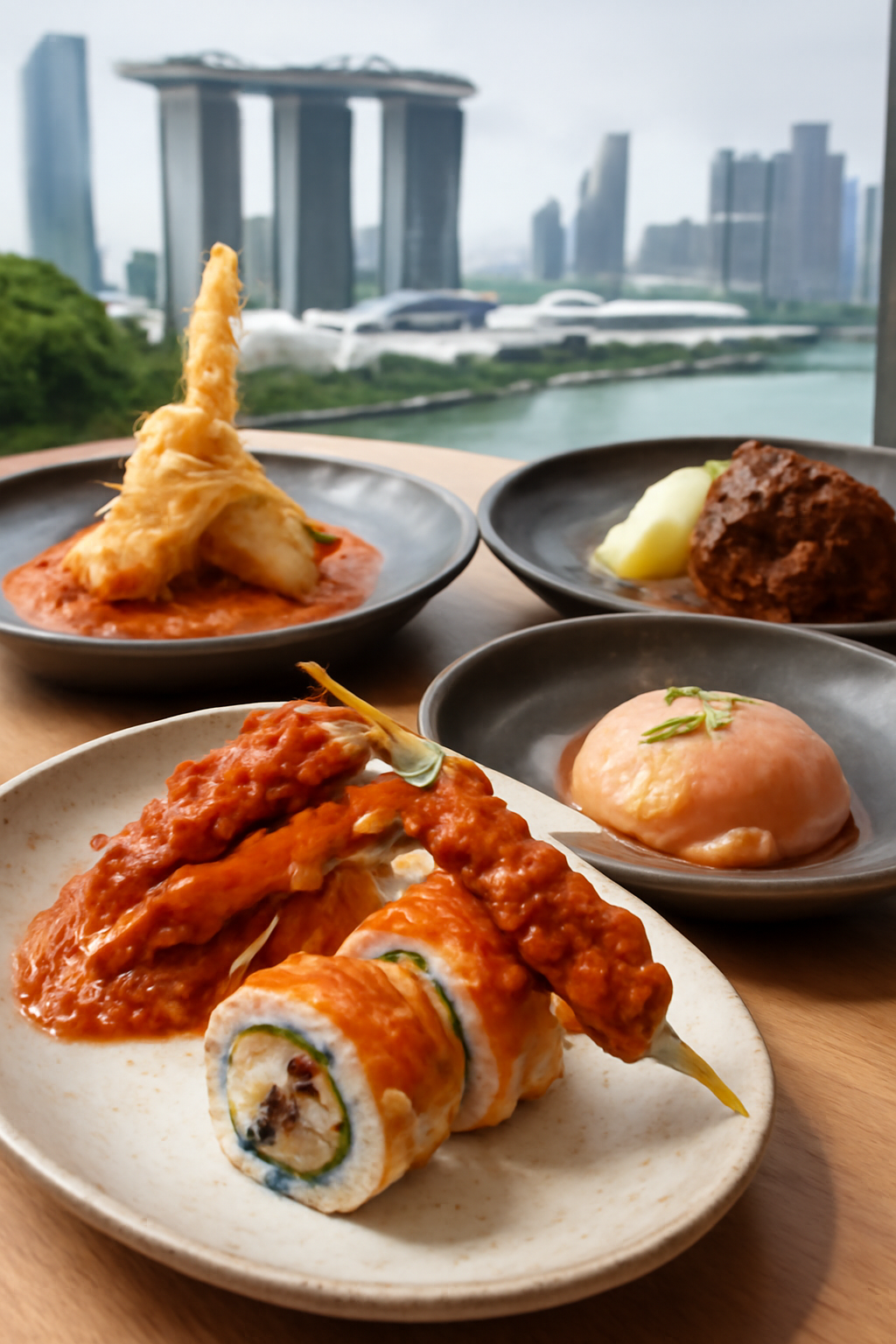
Singapore’s culinary scene mirrors its identity as a port city: open, adaptive, and constantly in motion. The chefs who have risen to prominence here embody these qualities, and their work has influenced diners and professionals far beyond Singapore’s shores. By blending diverse cultural roots with global techniques, they have turned the city into a laboratory of modern gastronomy.
Consider the background many of these chefs share. Growing up in a multicultural environment, they were exposed early to Chinese, Malay, Indian, Peranakan, and Western dishes. This exposure created an intuitive understanding of how different flavors can coexist. Chefs like Justin Quek tapped into this knowledge while training abroad. His experience in European kitchens gave him mastery of classic sauces and cooking methods, which he later fused with Southeast Asian ingredients in restaurants across Asia. His style has inspired other chefs to view cross-cultural cooking not as a trend, but as a natural reflection of their upbringing.
Fine dining in Singapore gained global traction partly due to visionary chefs such as André Chiang, who brought an artist’s sensibility to the plate. His focus on seasonality, texture, and memory resonated with international critics and diners. Restaurant André’s frequent appearances in global rankings signaled that Singapore was capable of producing restaurants on par with long-established culinary capitals. The visibility he generated encouraged other ambitious chefs to base their careers in Singapore rather than moving permanently to Europe or the United States.
At the same time, modern Singaporean cuisine is strongly anchored in local roots. LG Han at Restaurant Labyrinth, for example, spends considerable effort tracing ingredients back to regional producers. This emphasis on provenance lines up with global farm-to-table movements while preserving a distinctly Singaporean character. His updated renditions of hawker classics have earned accolades and sparked conversations about sustainability, heritage, and national identity in food.
Dessert innovation forms another pillar of Singapore’s international culinary footprint. Janice Wong’s edible art installations and imaginative plated desserts invite people to interact with food in unconventional ways. Her work often appears in exhibitions, boutique shops, and glossy magazines worldwide. By approaching pastry as both craft and conceptual art, she broadens global expectations of what a dessert chef can do.
Heritage cuisine, particularly Peranakan food, has found a compelling champion in Malcolm Lee. Through Candlenut, he reinterprets family recipes with refined techniques, plating, and service standards that meet international fine-dining expectations. Food writers and culinary tourists frequently cite his restaurant when discussing Singapore’s identity, thereby increasing global awareness of Peranakan culture. This has contributed to a wider appreciation of the intricate spice pastes, slow-cooked stews, and layered desserts characteristic of this cuisine.
The recognition of hawker culture on a global scale has also been accelerated by chefs like Chan Hon Meng. The Michelin star awarded to his humble soy sauce chicken stall became a widely shared story of meritocracy in food. Subsequent franchise outlets in other countries have introduced more people to the taste and spirit of Singapore’s street food. This journey from a simple stall to an international brand highlights how deeply everyday dishes can resonate with global audiences.
International culinary congresses, pop-up events, and guest chef programs serve as platforms where Singaporean chefs share their techniques and philosophies. When they present dishes featuring sambal, belacan, or pandan to audiences in Europe or America, they promote a deeper understanding of Southeast Asian cuisine. Conversely, they return home with new ideas about fermentation, plating, and sustainability, keeping Singapore’s scene aligned with worldwide developments.
Through these exchanges and achievements, Singapore’s chefs have proven that the city’s culinary identity is dynamic and influential. Their work has shaped how professionals and diners view fusion, street food, and heritage cuisine, securing Singapore a lasting place in the evolving story of global gastronomy.