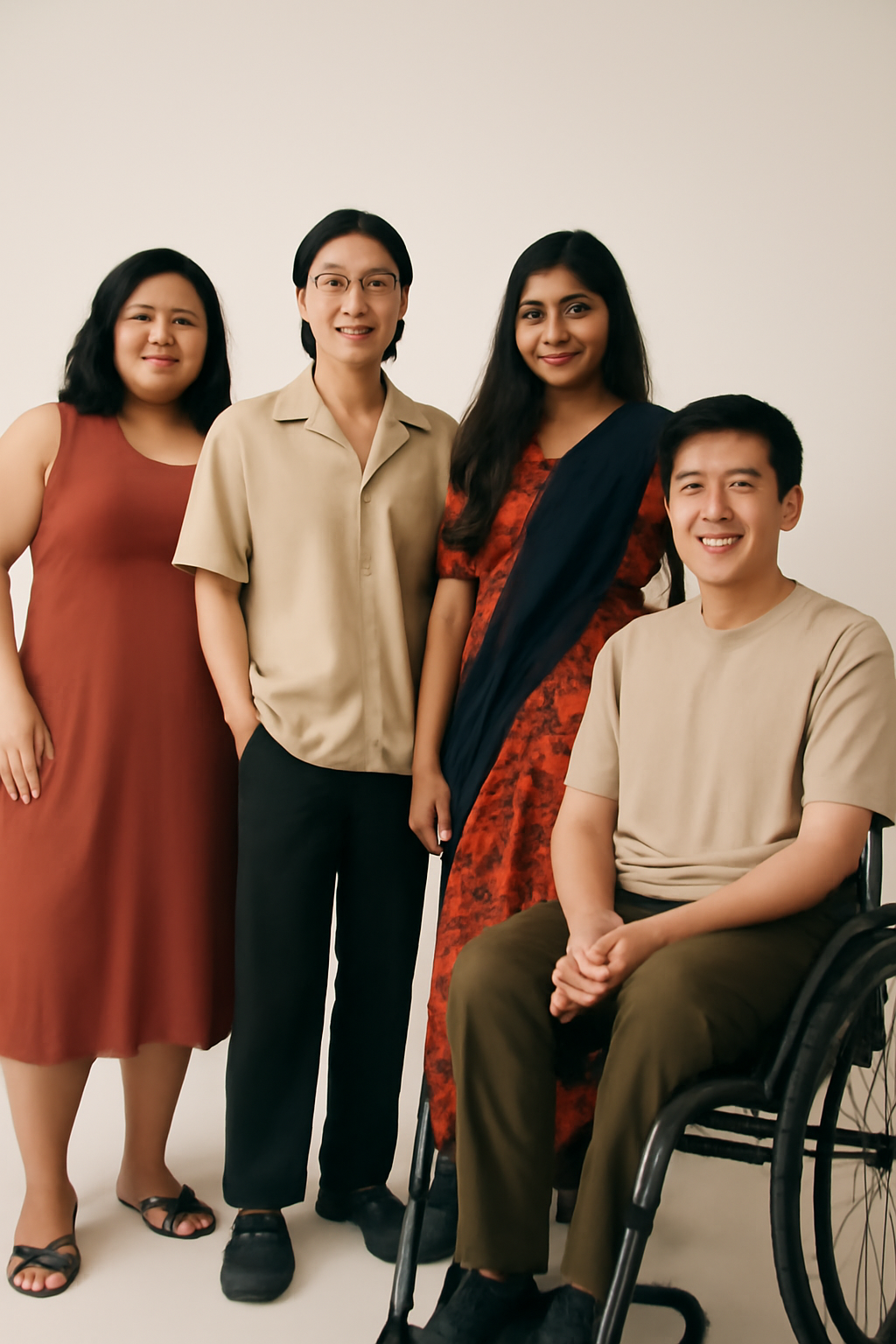
Inclusivity has become a central theme in Singapore’s fashion industry, with local designers, brands, and retailers embracing diversity in ways that challenge long-standing beauty standards. The transformation is not just about fashion for larger body types but also about reflecting a broader spectrum of identities, cultures, and abilities. This inclusivity-driven approach is redefining the way fashion is perceived and consumed in Singapore.
One of the most significant changes in the industry is the increasing availability of clothing for all body types. In the past, plus-size consumers often faced limited options when shopping for trendy, stylish clothing. However, the rising demand for size-inclusive fashion has led brands like Zalora and Uniqlo to expand their size ranges, ensuring that individuals of all sizes can find clothing that fits both their bodies and their personal style.
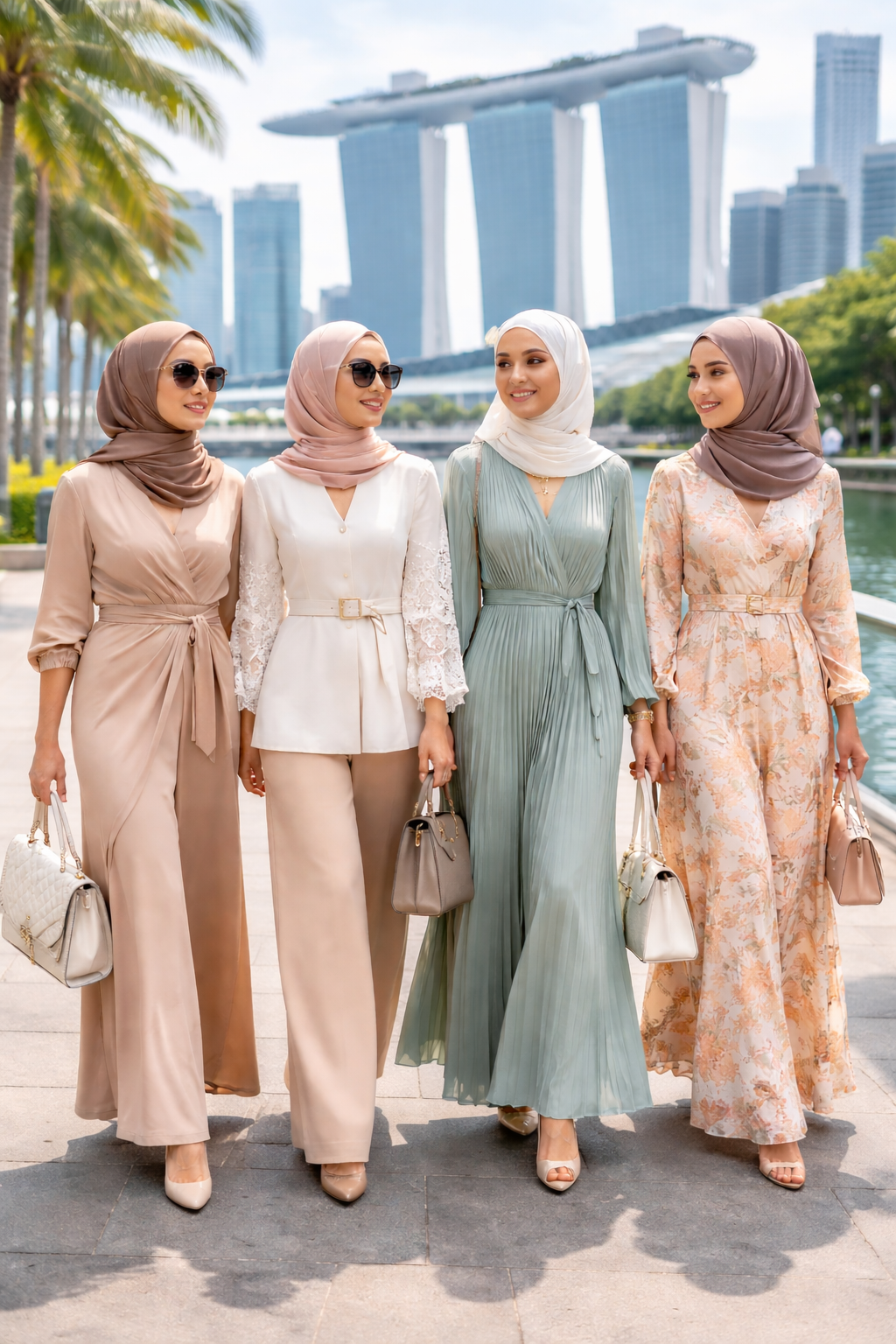
Size inclusivity is just one aspect of the growing trend of diversity within the industry. Singapore’s multicultural landscape also plays a crucial role in shaping the direction of fashion inclusivity. With its rich mix of ethnicities and traditions, designers in Singapore are becoming more attuned to the need for ethnic diversity in their fashion collections. From Singapore Fashion Week to smaller local events, runway shows are now featuring models of different ethnic backgrounds, showcasing the beauty of diversity in fashion.
Gender inclusivity is another area where Singapore’s fashion industry is making strides. As the traditional boundaries between male and female clothing continue to blur, brands in Singapore are increasingly releasing unisex collections that cater to individuals who do not subscribe to rigid gender norms. Labels like The Editor’s Market are offering minimalist, versatile pieces designed to be worn by anyone, regardless of gender, providing consumers with more freedom to express themselves through their fashion choices.
Furthermore, adaptive fashion is gaining attention as part of Singapore’s inclusivity movement. Clothing designed for people with disabilities is starting to be more readily available, with local designers creating functional yet fashionable options for individuals who may have mobility challenges. These adaptive garments often feature easy-to-use fastenings like Velcro or magnetic closures, offering greater independence and style options for those who require accessible fashion.
The digital space has also become a driving force behind the inclusivity movement in Singapore’s fashion industry. Online shopping platforms such as Lazada and Shopee have made fashion accessible to a wider audience, offering a variety of inclusive brands and allowing consumers to shop from the comfort of their homes. These platforms make it easier for people to find clothing that suits their size, style, and specific needs, without having to navigate the constraints of traditional brick-and-mortar stores.
Inclusion in fashion is about more than just clothing; it’s about creating a space where people feel represented, understood, and respected. By prioritizing inclusivity, Singapore’s fashion industry is fostering a culture of acceptance and celebrating the unique beauty found in diversity. As more brands and designers continue to follow this trend, Singapore’s fashion industry will continue to evolve, ensuring that fashion is truly for all.