Beyond the Music
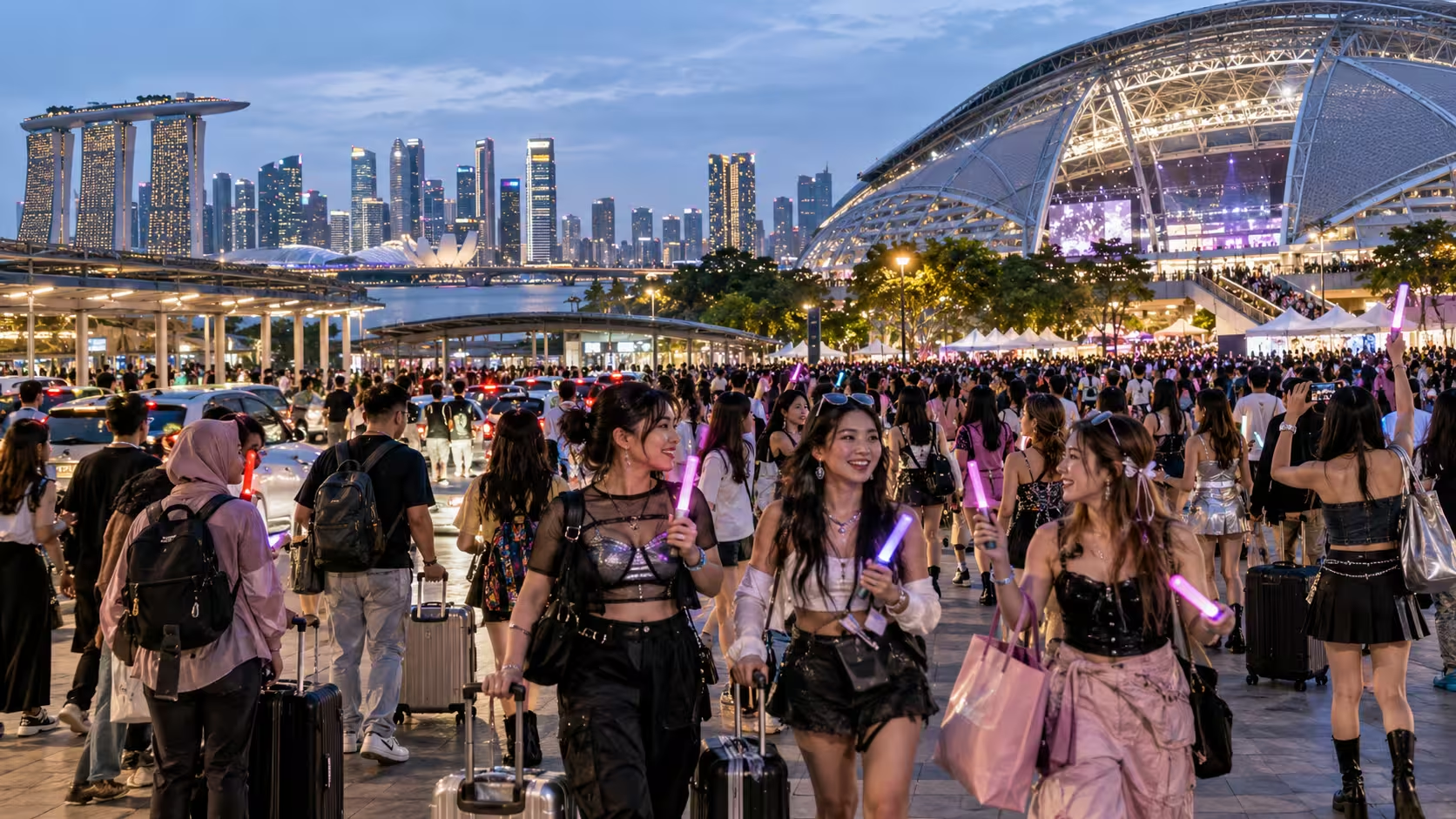
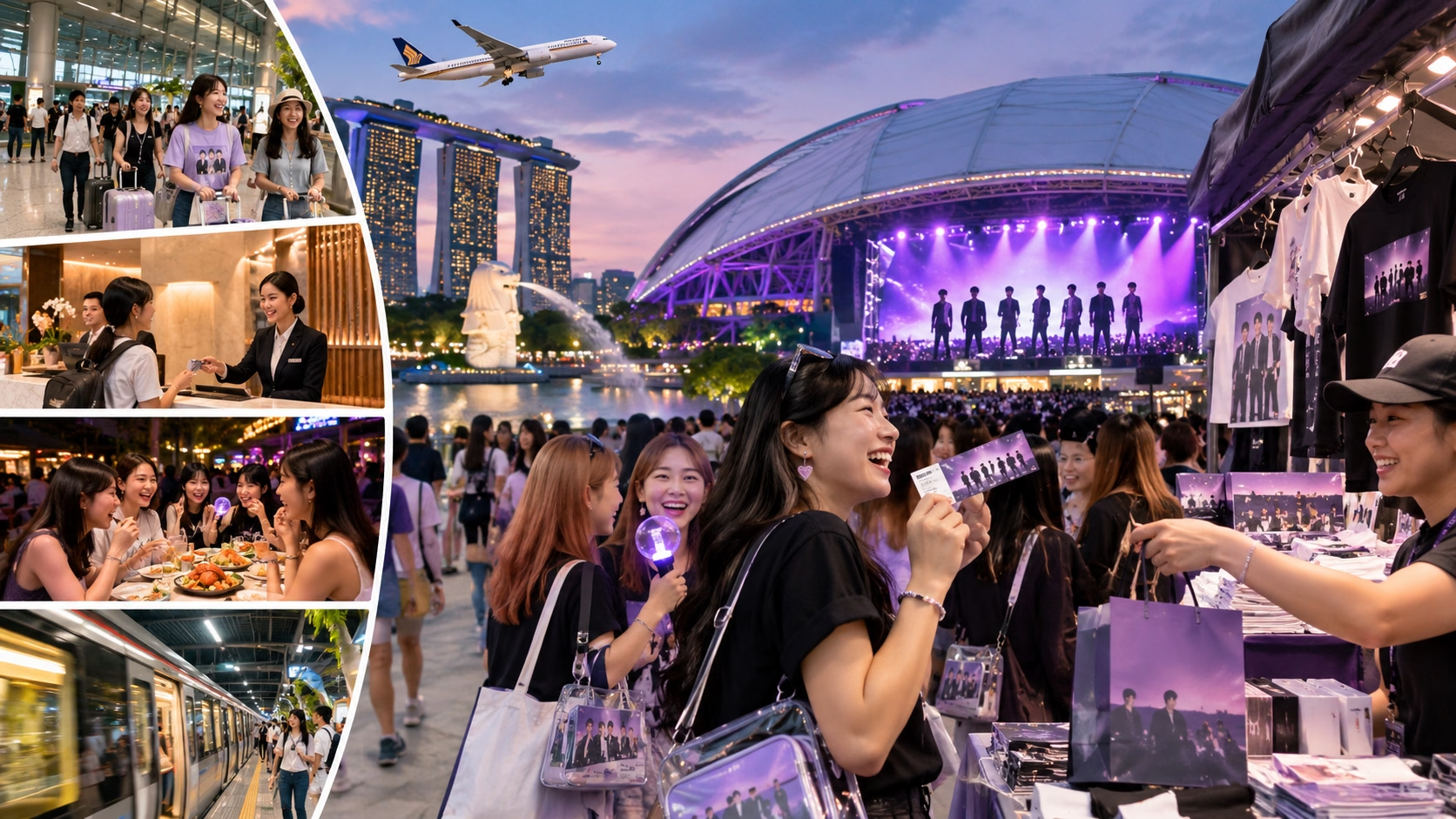
A 26-year-old K-pop fan named Chi Peiwen described spending up to S$2,000 on a single overseas concert trip, covering tickets, flights, accommodation, and merchandise . Her justification is not the performance alone but the entire process: learning Korean, meeting like-minded friends, and the moment of interaction when an idol acknowledges the crowd .
Psychologist and lecturer Chong Ming Huan from Temasek Polytechnic’s Centre for Applied Behavioural Sciences frames this as “emotional consumption.” Fans are not merely buying a ticket or a T-shirt; they are purchasing emotional satisfaction and identity affirmation . The concept of a “parasocial relationship”—where a fan feels a sense of closeness to someone they do not actually know—explains why a simple greeting from the stage or a social media post can feel personally meaningful .
The Generational Shift in Fan Behaviour
The contrast between younger and older fans is instructive. MediaCorp artiste Liu Qianyi, reflecting on his youth, recalled watching midnight screenings of Hong Kong martial arts films at double the normal ticket price, when his monthly salary was only S$100 to S$150 . He would travel to Malaysia to watch films starring his favourite actors. His fandom was about the work, not proximity to the artist .
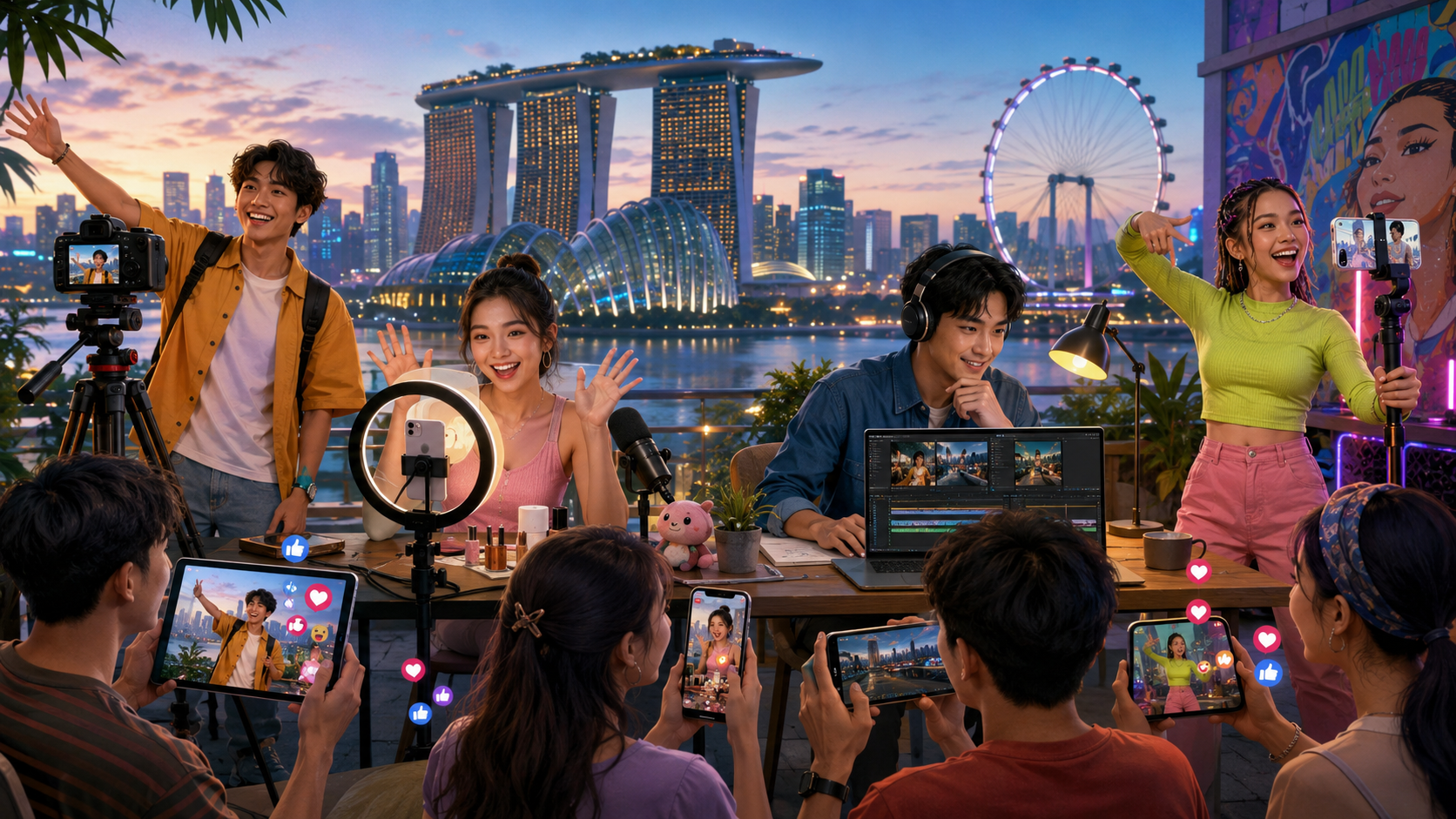
Contemporary fan culture, by contrast, is participatory and experience-driven. The fan does not simply consume the performance; they document it, share it, merchandise it, and build social connections around it. This shift has direct commercial implications: merchandise sales, premium experiences, and travel packages all monetise the desire for participation rather than passive spectatorship.
The Merchandise Dimension
Merchandise occupies a unique position in the fan economy because it converts abstract emotional attachment into a tangible object. A light stick, a T-shirt, or a limited-edition album is not valued for its material cost but for its role as a marker of belonging. This is why merchandise queues at Singapore venues can rival the concert queues themselves, and why hotels and retailers increasingly curate fan-targeted products.
The Cautionary Note
Chong cautions that while moderate fandom can enhance well-being, confidence, and social connection, the key is maintaining rationality and ensuring that spending does not compromise financial stability . This tension between emotional fulfilment and financial discipline is the central drama of the fan economy. For brands and venues, understanding this psychology is not optional—it is the foundation of every pricing decision, every merchandise line, and every hotel package designed for the fan who travels not just to see a show, but to inhabit a world.