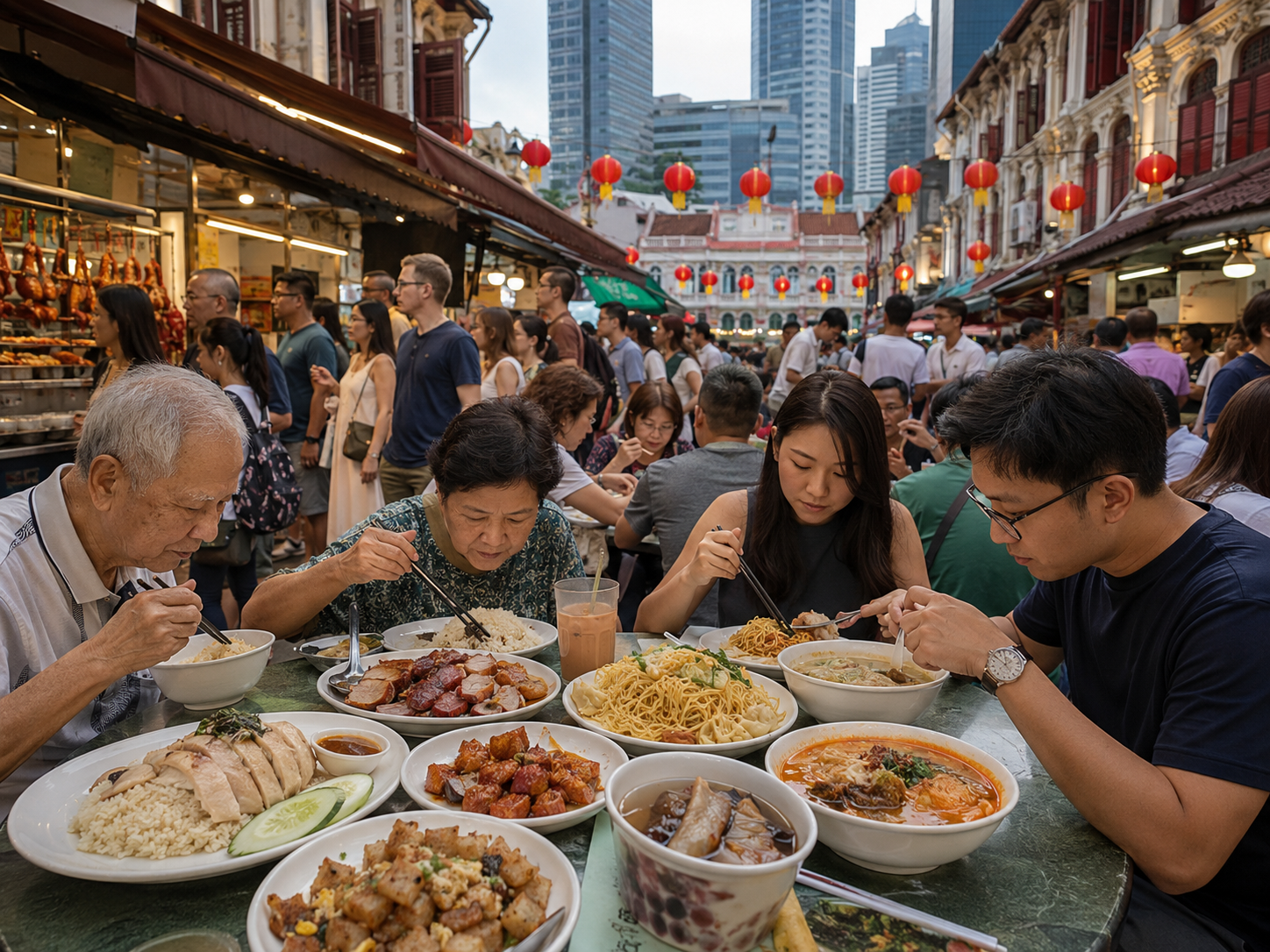
Singapore’s café industry is experiencing a unique transformation where traditional coffee heritage and modern business innovation are developing side by side. For decades, kopitiams have represented the heart of Singapore’s coffee identity, serving Nanyang coffee through generations of family-run businesses.
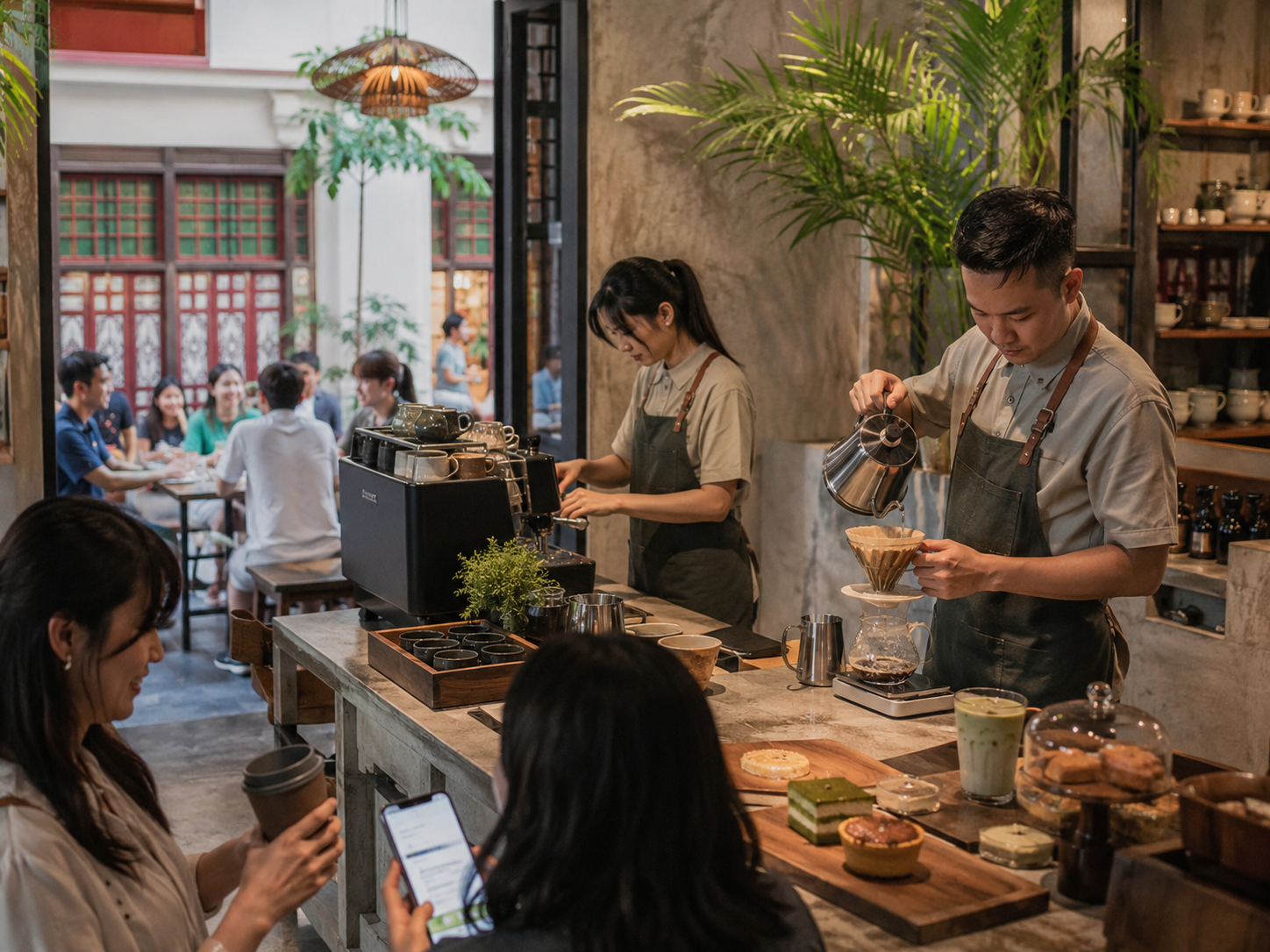
However, the emergence of modern cafés has introduced a new dimension to the country’s coffee landscape. Contemporary coffee operators are not replacing traditional culture but reinterpreting it through specialty brewing methods, creative menus, digital services, and lifestyle-focused spaces.
This combination of heritage and innovation has become one of Singapore’s strongest competitive advantages. Unlike many markets that build coffee culture primarily through international influences, Singapore’s café sector has developed by blending local traditions with global trends.
Changing Consumer Behavior Drives Café Market Expansion
The modern Singapore consumer has significantly changed how cafés are viewed and used. Coffee shops are no longer only places for quick purchases; they have become important social and professional environments.
The growth of hybrid working arrangements has increased demand for comfortable café spaces equipped with reliable internet, attractive interiors, and flexible seating arrangements. Many professionals and entrepreneurs now use cafés as informal meeting locations or alternative workspaces.
At the same time, younger consumers are seeking experiences rather than just products. They are attracted to cafés that offer unique concepts, visually appealing environments, and strong brand identities that can be shared through digital platforms.
This shift has encouraged café owners to invest in storytelling, interior design, menu innovation, and community-building activities.
Digital Transformation Reshapes Café Business Operations
Technology has become a major factor influencing Singapore’s café industry. Many businesses have adopted digital tools to improve customer experience and operational efficiency.
Mobile ordering applications, cashless payment systems, online reservations, customer loyalty programs, and social media marketing have become increasingly common among café operators.
Small and medium-sized café businesses are using digital platforms to compete more effectively against larger chains. Through platforms such as Instagram and TikTok, independent cafés can reach targeted audiences and create strong online communities without requiring large advertising budgets.
Singapore’s Infocomm Media Development Authority (IMDA) continues to support digital adoption among local businesses through transformation programs. More information is available at:
https://www.imda.gov.sg/
Digital innovation has allowed cafés to expand beyond physical locations by selling coffee beans, merchandise, online gift packages, and subscription services.
Local Café Entrepreneurs Face Increasing Market Pressure
Despite strong consumer interest, Singapore’s café industry remains highly competitive. Entrepreneurs must overcome several challenges, including expensive commercial rents, rising ingredient prices, and difficulties in recruiting skilled workers.
The growing number of cafés also means businesses must develop clear differentiation strategies. Simply offering quality coffee is no longer enough. Successful operators need to create memorable experiences and establish emotional connections with customers.
Some cafés are responding by creating specialized concepts, such as farm-to-cup coffee experiences, cultural themes, bakery collaborations, and educational coffee workshops.
These strategies demonstrate how local businesses are adapting to market pressures by moving beyond traditional café operations.
The Future of Singapore’s Café Industry Through 2026 and Beyond
The future of Singapore’s café market will likely depend on the ability of businesses to balance authenticity, technology, and customer expectations. Consumers are expected to continue demanding higher-quality products while also valuing sustainability, convenience, and meaningful brand stories.
The next generation of cafés may increasingly integrate artificial intelligence, automation, personalized recommendations, and environmentally responsible practices. However, the human element of coffee preparation and customer relationships will remain essential.
Singapore’s café industry represents more than economic activity within the food and beverage sector. It reflects the evolution of urban lifestyles, entrepreneurship, and cultural identity. By connecting traditional coffee heritage with modern innovation, local cafés continue to strengthen Singapore’s position as a vibrant coffee destination in Asia.