Why Green Attractions Are Now Central to Singapore’s Tourism Image
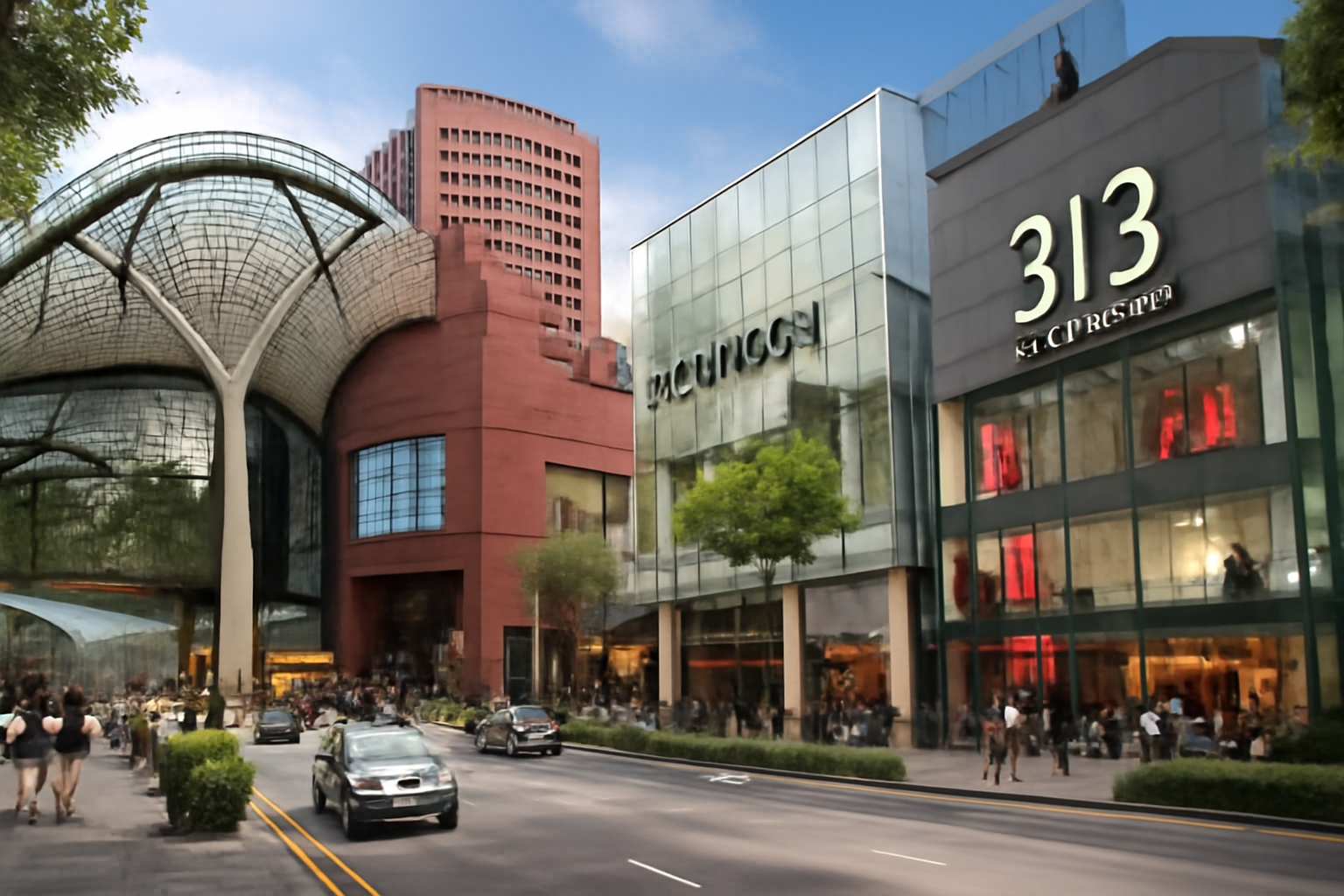
Singapore has spent decades building a reputation as a clean, organized, and highly connected destination. In 2026, that image is expanding. The country is not only marketing itself as a global city, but also as a place where sustainability can be experienced directly through parks, wetlands, green corridors, and environmentally conscious attractions.
The official Singapore Green Plan 2030 helps explain this direction. It supports a broader national effort to make sustainability part of daily life, business, transport, and urban planning. For tourists, the result is a destination where green spaces are not hidden on the edges—they are part of the main travel experience.
Gardens by the Bay: Tourism Meets Environmental Design
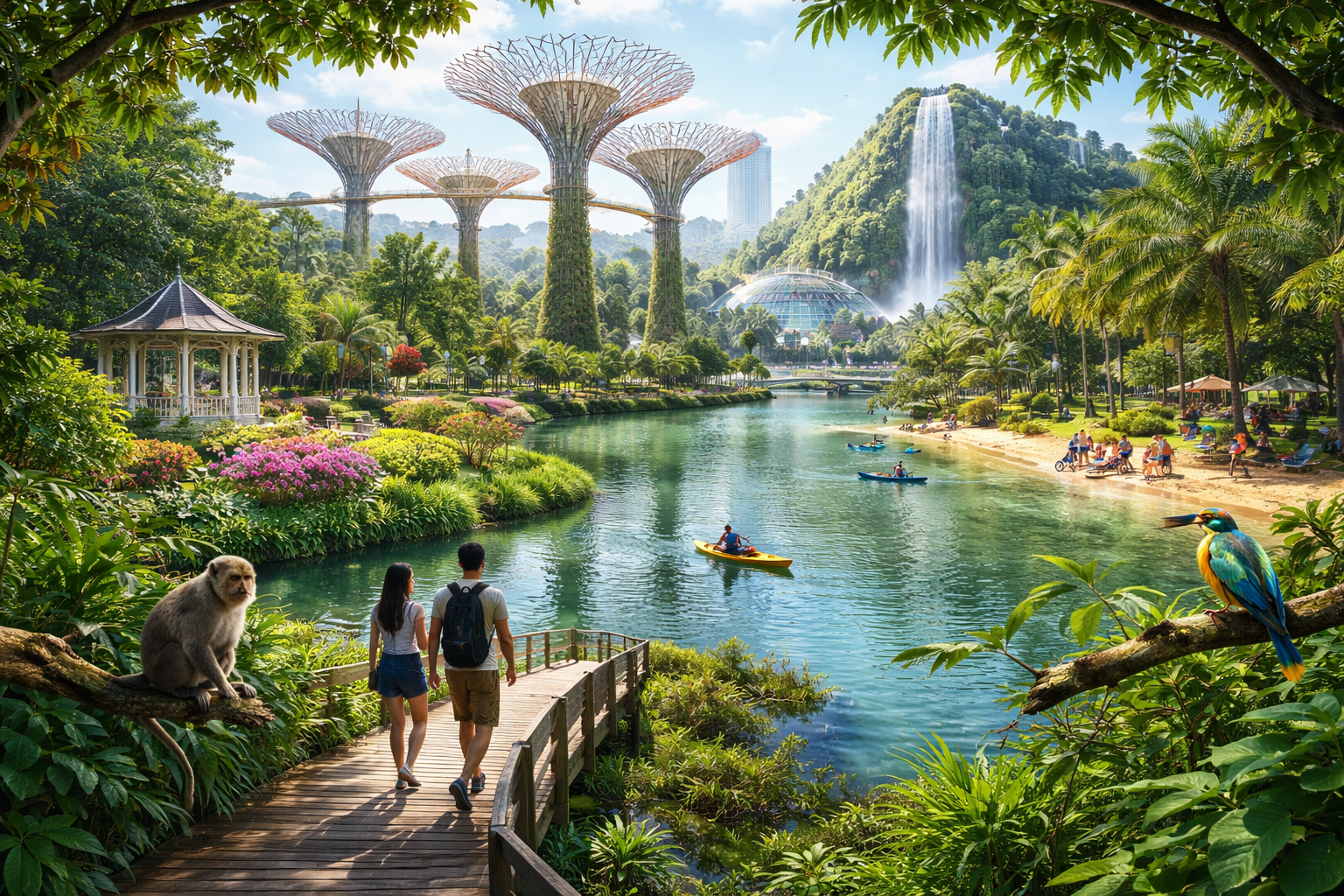
Gardens by the Bay is the most recognizable green attraction in Singapore. Its futuristic Supertrees and glass conservatories are visually dramatic, but they also serve a deeper purpose: making plant conservation and climate awareness more accessible to the public.
Beyond Instagram Tourism
The real value of Gardens by the Bay in 2026 is not only its appearance. It gives travelers a way to understand how cities can use design, science, and public education to make sustainability more visible. A good visit should include time to read displays, explore outdoor areas, and appreciate the role of green architecture.
Nature Reserves That Protect Singapore’s Wild Side
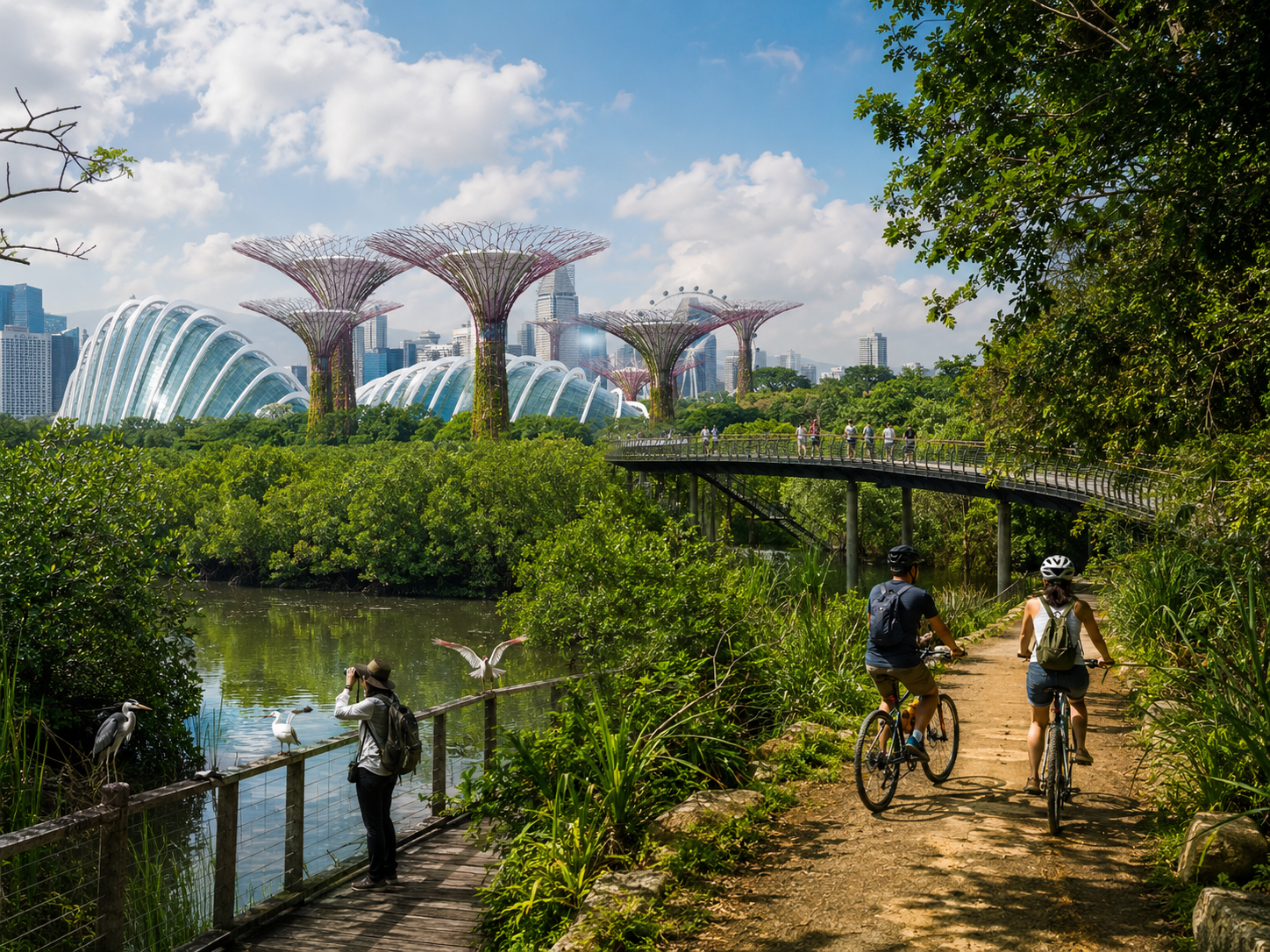
Singapore’s nature reserves and wetland areas offer another layer of the country’s green identity. Sungei Buloh Wetland Reserve, for example, protects mangrove habitats and provides a home for migratory birds and native wildlife. It is especially relevant for travelers who want to see ecological Singapore rather than only urban Singapore.
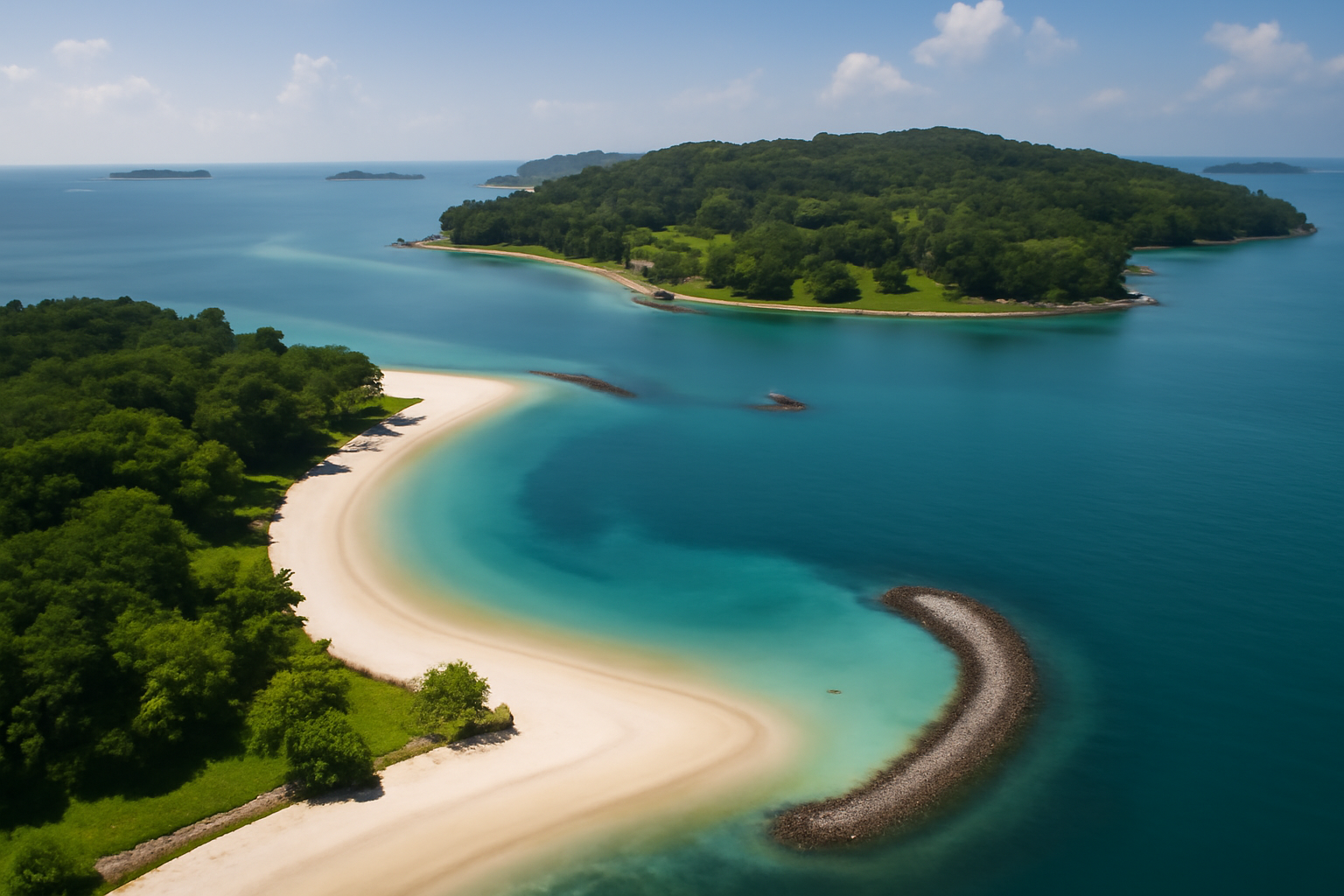
Pulau Ubin and Chek Jawa Wetlands add a more rustic experience. They show that the country’s environmental story is not limited to engineered gardens. It also includes coastal ecosystems, traditional landscapes, and sensitive habitats that require careful visitor management.
Rail Corridor: A Real Example of Adaptive Reuse
The Rail Corridor is one of Singapore’s most interesting green urban projects because it transforms former railway land into a public recreational route. For travelers, it offers a different kind of sightseeing: walking through leafy stretches, heritage areas, and local neighborhoods.
The Bigger Lesson
Adaptive reuse is an important sustainability concept. Instead of erasing old infrastructure, cities can redesign it for public benefit. The Rail Corridor demonstrates how tourism, heritage, and green mobility can work together.
How Visitors Can Travel More Responsibly
Sustainable tourism depends not only on government planning but also on traveler behavior. Visitors can reduce their impact by using public transport, carrying reusable bottles, staying on marked paths, avoiding wildlife feeding, and choosing experiences that respect local communities.
The strongest green travel experiences in Singapore are often simple: walking instead of driving, spending more time in one area, and paying attention to how each attraction protects nature.