Singapore’s healthcare policies reflect a deliberate and forward-looking approach aimed at ensuring the population’s long-term well-being. By emphasizing prevention, technological integration, and community-centered care, the government has created a system that addresses both immediate medical needs and the evolving health demands of a modern society.
Preventive health is a cornerstone of Singapore’s policy framework. Regular screenings, vaccination programs, and wellness initiatives are widely promoted to detect and prevent diseases early. The Health Promotion Board (HPB) leads campaigns on nutrition, physical activity, and mental health, encouraging citizens to adopt healthier lifestyles. Programs like “National Steps Challenge” and targeted screening initiatives enable early identification of chronic diseases, such as diabetes, hypertension, and cardiovascular conditions, reducing long-term healthcare costs and improving patient outcomes.
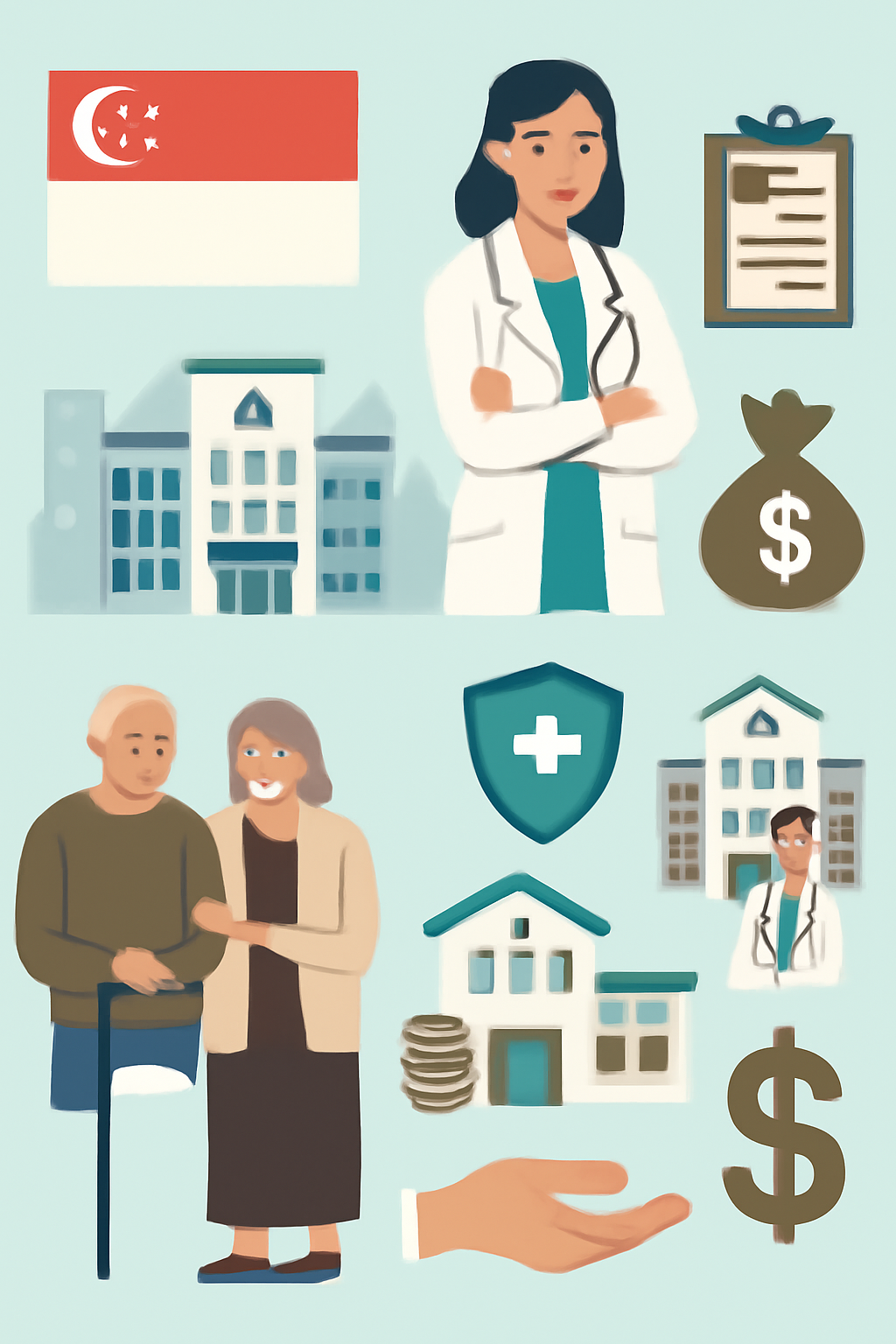
Singapore’s healthcare financing model ensures broad access while promoting fiscal responsibility. The multi-tiered system, consisting of Medisave, MediShield Life, and Medifund, allows citizens to save for personal healthcare, provides universal insurance coverage, and supports financially vulnerable groups. This framework ensures that healthcare remains affordable and equitable, while encouraging citizens to make informed choices about medical treatment and preventive care.
Technological innovation strengthens Singapore’s public health policies. The National Electronic Health Record (NEHR) allows seamless data sharing among hospitals and clinics, enabling coordinated care and reducing the risk of medical errors. Telemedicine platforms and AI-powered health analytics support early intervention and chronic disease management. Digital tools also facilitate public health initiatives by providing actionable insights and tracking population-level health trends, allowing policymakers to target interventions more effectively.
Chronic disease management is essential in Singapore, particularly due to an aging population. Integrated care programs combine primary care, specialist treatment, and community-based support to ensure continuous care. Schemes like the “Community Health Assist Scheme” provide subsidies for long-term care, helping patients manage conditions such as diabetes and heart disease without excessive hospital dependence. These efforts highlight a proactive approach that emphasizes prevention, maintenance, and community engagement.
Community involvement and education reinforce the success of public health policies. Awareness campaigns in schools, workplaces, and media encourage healthy behaviors, mental well-being, and vaccination uptake. By equipping citizens with knowledge and resources, the government fosters an environment in which individuals actively participate in their own health, complementing broader policy objectives.
Singapore’s comprehensive approach, integrating prevention, innovation, and sustainable financing, demonstrates a long-term vision for public health. Through continuous policy refinement, technology adoption, and public engagement, the nation has created a healthcare system capable of meeting current challenges while preparing for future health needs.