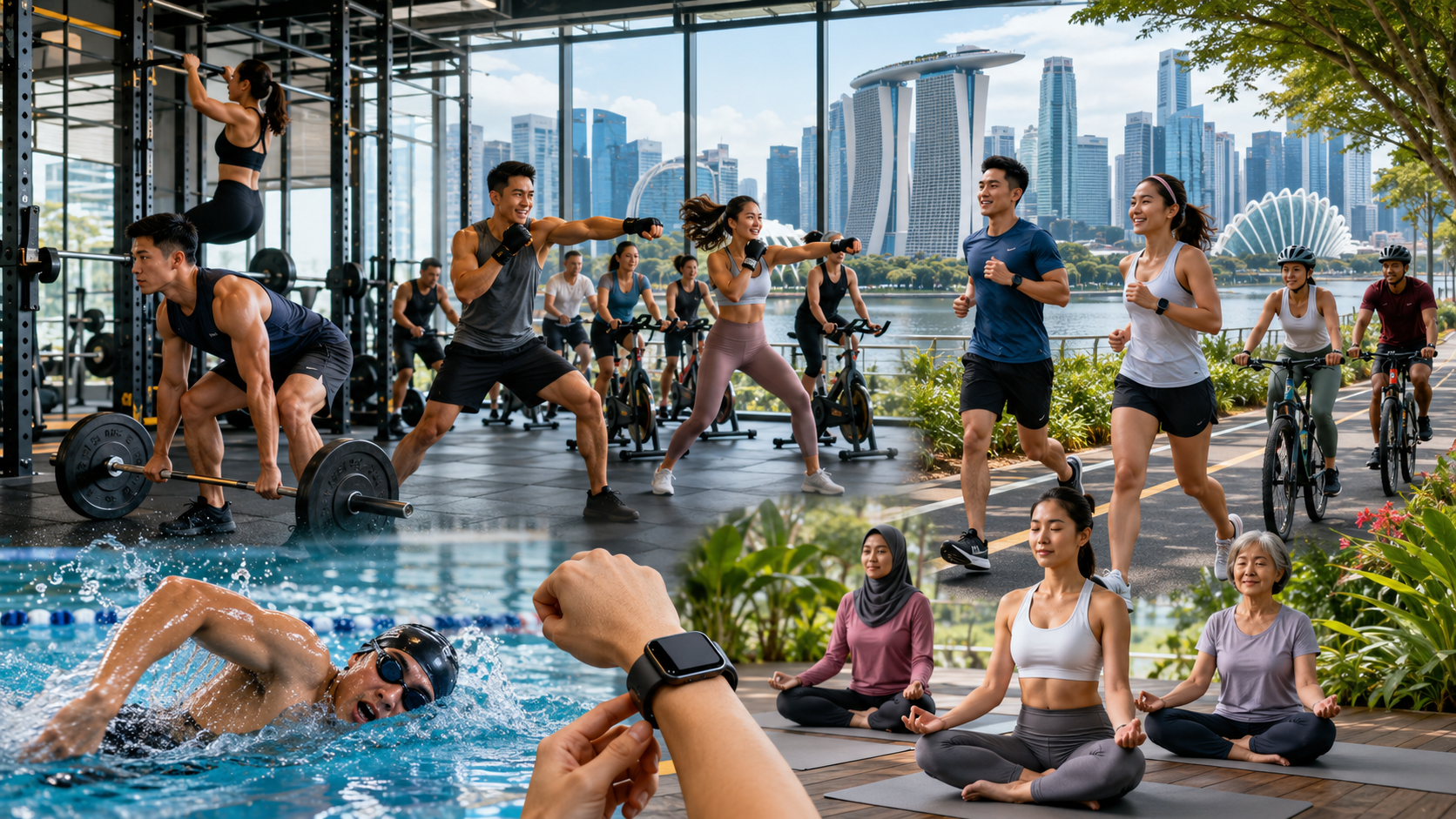
The fitness landscape in Singapore is vibrant, modern, and constantly evolving. As people become more conscious of health, exercise has become a regular part of life for many residents. Singaporeans are drawn to different types of physical activity depending on their goals, schedules, and personal preferences. Some prefer intense workouts in studios, while others enjoy jogging through parks, cycling along scenic paths, or practicing yoga for relaxation and balance.
Gym training is one of the most dominant fitness choices in Singapore. The popularity of gyms comes from their convenience and variety. Members can use cardio machines, weights, resistance equipment, and personal training services in one place. Many gyms also operate with extended hours, making them suitable for people with demanding work schedules. Strength training is now widely appreciated because it supports muscle development, fat management, bone health, and better body mechanics. This shift shows that fitness goals are becoming more sophisticated than simply losing weight.
Group exercise classes have also gained a loyal following. Workouts such as HIIT, spinning, boxing, Zumba, barre, and circuit training provide a structured and energetic experience. Many people find it easier to stay motivated when exercising with a group. Music, coaching, and class schedules create a sense of discipline and excitement. HIIT is particularly attractive because it offers strong results in a short session, making it ideal for busy office workers and students.
Singapore’s outdoor environment also supports an active lifestyle. Despite being a highly urbanized country, Singapore has invested heavily in parks, walkways, and recreational spaces. Running is one of the easiest and most popular activities because it can be done independently and does not require expensive equipment. Routes around Marina Bay, East Coast Park, MacRitchie Reservoir, and neighborhood park connectors are commonly used by runners. Walking is also a major wellness activity, especially among older adults and people who prefer low-impact movement.
Cycling continues to grow as both a sport and leisure activity. Families often cycle on weekends, while fitness enthusiasts use longer routes to build endurance. The expansion of cycling paths has helped make cycling safer and more enjoyable. It also supports a broader lifestyle trend where people look for active ways to spend free time outdoors.
Yoga and Pilates are widely practiced because they combine physical conditioning with mental well-being. Yoga helps improve flexibility, breathing, and stress control, while Pilates focuses on core strength, posture, and controlled movement. These activities are especially popular among people who want a gentler but effective form of exercise. They also complement more intense workouts by improving mobility and reducing the risk of injury.
Technology has become another important influence. Many Singaporeans use smartwatches, fitness apps, and online classes to guide their routines. These tools allow users to track steps, calories, heart rate, workout frequency, and sleep patterns. Digital fitness is popular because it gives people more control over when and where they exercise.
Another important feature of Singapore’s fitness culture is inclusiveness. Public facilities such as swimming pools, sports halls, stadiums, and outdoor fitness stations make exercise accessible to many communities. Seniors can join gentle fitness programs, children can participate in school sports, and adults can choose from both affordable and premium options.
The fitness trends in Singapore show a strong connection between health, lifestyle, and community. Whether through high-energy classes, outdoor sports, mindful movement, or technology-based training, Singaporeans are finding many ways to stay active and improve their quality of life.