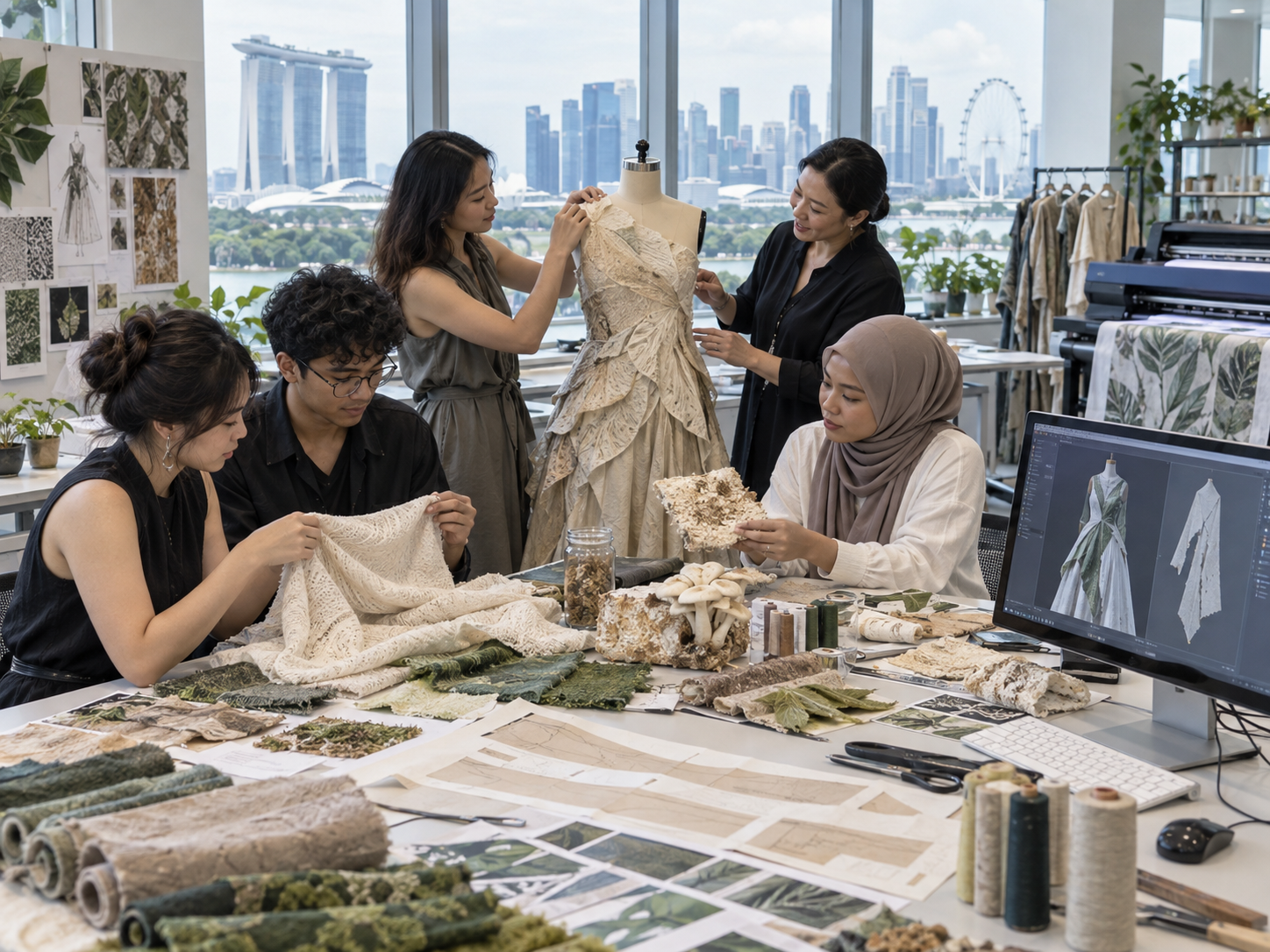
For decades, the path to a career in high fashion was clear: London, Paris, Milan, or New York. However, in recent years, the axis of the fashion world has tilted East, and Singapore has emerged as the strategic nexus of this shift. For international students, the city-state offers a unique value proposition that traditional fashion capitals are struggling to match: access to the Asian market combined with Western educational standards.
The Strategic Gateway to Asia
Singapore’s geographic location is its ultimate superpower. It sits at the crossroads of the world’s fastest-growing luxury markets, including China, India, and Southeast Asia. For a design student, studying in Singapore means being a short flight away from the manufacturing hubs of Vietnam and Indonesia, the textile ateliers of India, and the booming retail markets of Thailand and the Philippines.
Singapore’s universities leverage this proximity through extensive study trips and international exchange programs. A student studying fashion design in Singapore isn’t confined to the island; their classroom extends to the silk markets of Hanoi and the tech expos of Shanghai. This exposure to the supply chain’s reality is invaluable and cannot be replicated in a European classroom.
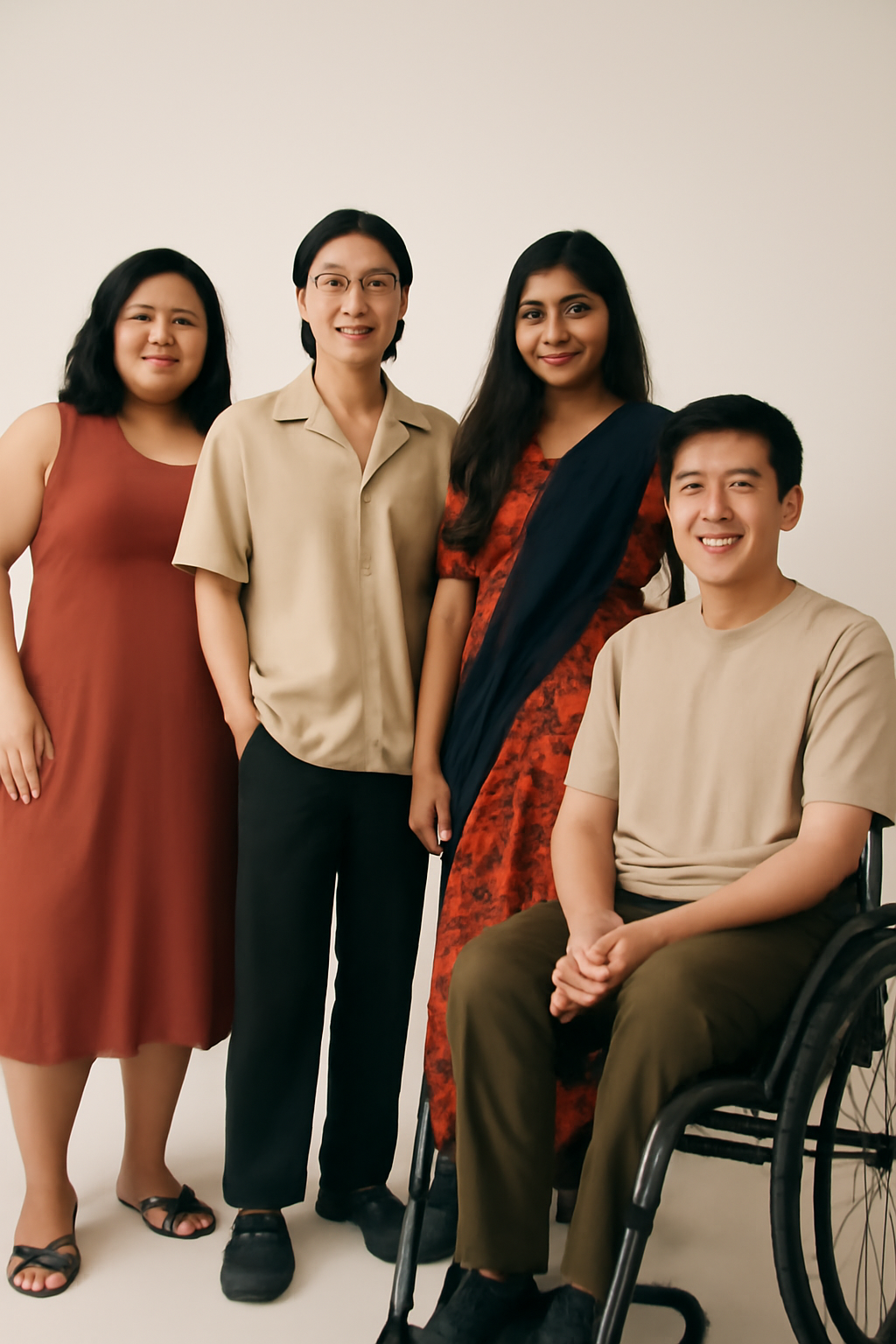
Furthermore, the curriculum is taught primarily in English, attracting a diverse cohort of students from Europe, Africa, and the Americas who may not be fluent in French or Italian. This creates a multicultural classroom environment that mirrors the global nature of the industry itself.
A Safe and Stable Launchpad
Beyond academics, Singapore offers a level of political stability and personal safety that is highly attractive to international students and their parents. The city’s efficient infrastructure and transparent legal system make it a low-stress environment to live and study in. This allows students to focus their energy entirely on their creative development without the friction often experienced in larger, more chaotic capital cities.
The Singaporean government has also made it relatively straightforward for talented graduates to remain in the country to work. The ONE Pass and the Tech.Pass are visas designed to attract top talent, and while competitive, they signal the nation’s desire to retain skilled creative professionals. For a fashion designer, establishing a business base in Singapore offers tax advantages and ease of accessing financial services that facilitate international trade.
Moreover, the reputation of a Singaporean education carries significant weight. The rigorous standards and emphasis on innovation mean that a degree from a Singaporean fashion school is a badge of quality. Employers know that a graduate from this system is disciplined, technologically adept, and globally minded.
The result is a new generation of “global nomad” designers—individuals who may have been born in Brazil, educated in Singapore, and now work for a Swedish brand in Tokyo. Singapore has mastered the art of being the central hub in this global network, and its fashion schools are the entry ticket to this boundless career path.