The Scan-to-Cup Revolution
Traditional Chinese Medicine has always been personalised. A TCM physician reads the tongue, feels the pulse, and prescribes a formula tailored to the individual’s constitution. The challenge has never been the philosophy—it has been the scalability. You cannot mass-produce a pulse diagnosis.
Singaporean healthtech startups are now attempting to solve that problem with artificial intelligence.
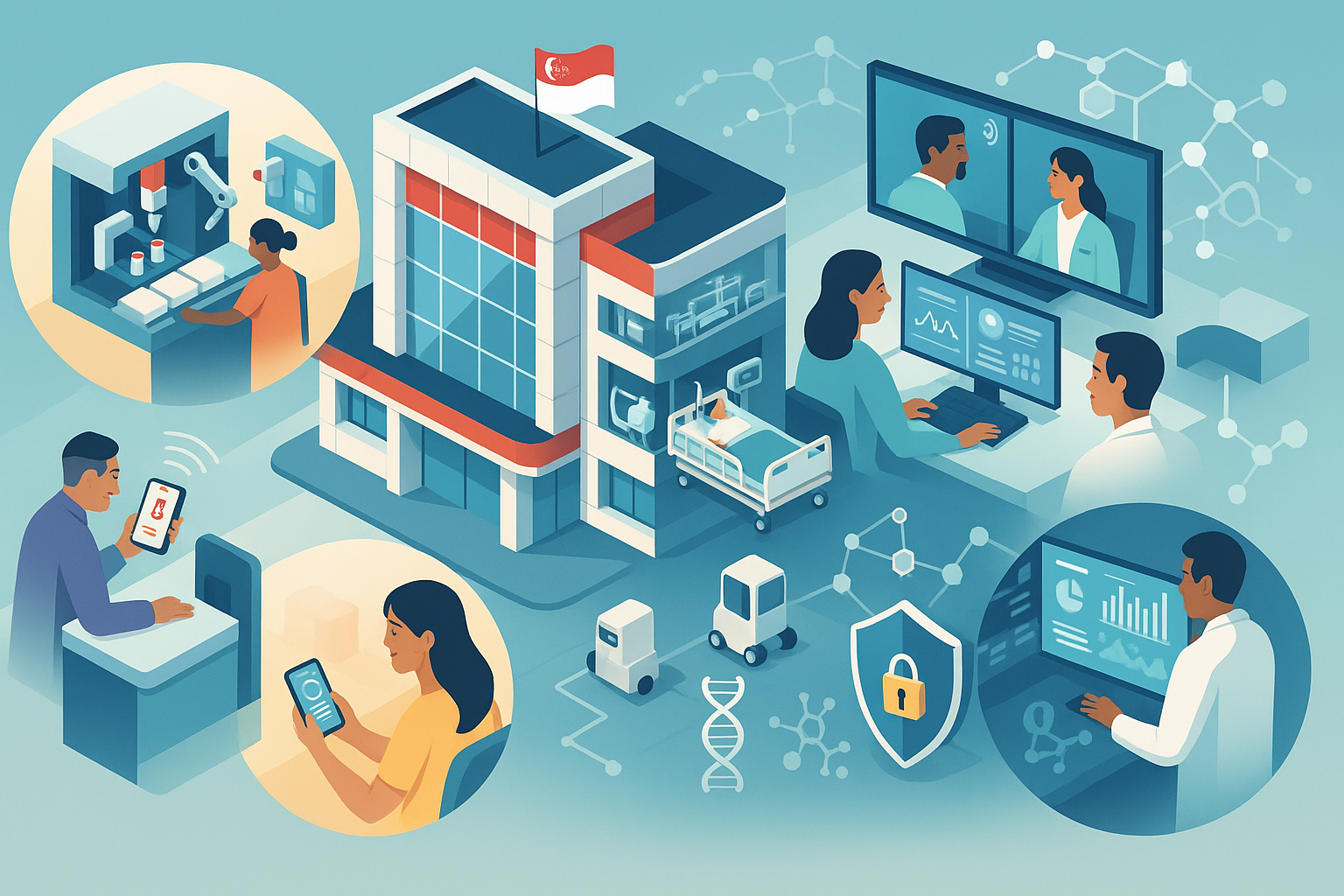
In June 2026, Singapore-based healthtech company Aiteaic unveiled a proprietary TCM wellness system that pairs AI tongue scanning with nanobubble extraction. The award-winning “scan-to-cup” platform debuted at CHI Innovate 2026 and powered Singapore’s first AI-driven TCM afternoon tea. The system analyses a user’s tongue image—a core diagnostic input in TCM—and recommends a personalised herbal formulation, which is then extracted using nanobubble technology to enhance bioavailability.
Luli Singapore’s TCM AI Mirror
A parallel innovation comes from Luli Tea & Coffee, which won the AI – Food & Beverage award at the Singapore Business Review Technology Excellence Awards 2026 for its TCM AI Mirror. Described as a “world-first integration of Traditional Chinese Medicine with artificial intelligence to deliver hyper-personalised functional beverages at scale,” the mirror employs a proprietary algorithm trained on over 3,000 years of diagnostic data.
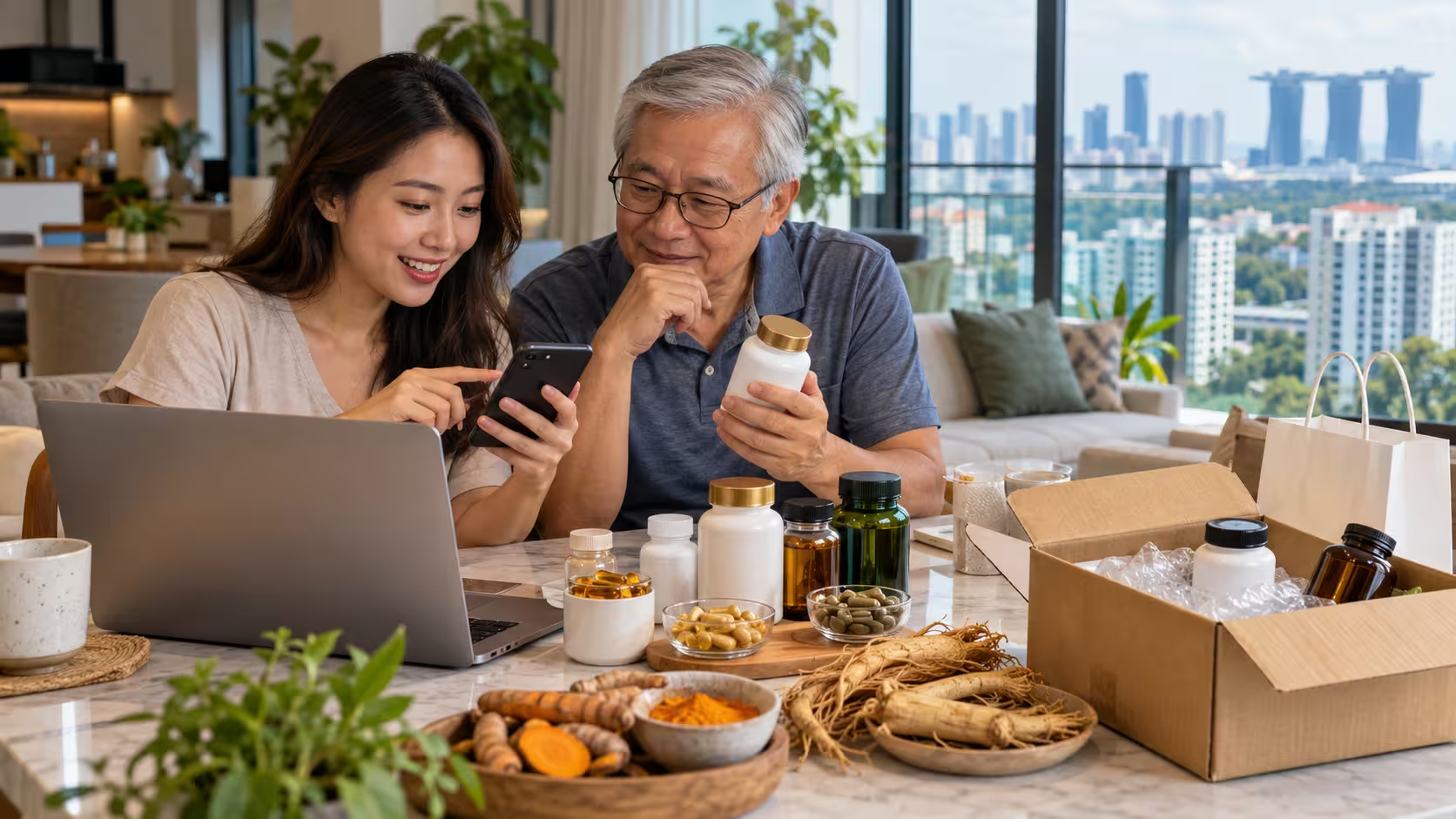
The implications for the herbal supplement market are significant. If AI can democratise TCM diagnosis, it can also drive demand for personalised herbal formulations—moving the market away from mass-produced capsules toward customised blends.
From AI Tuina Robots to Electroacupuncture Research
The AI-TCM convergence extends beyond consumer-facing products. Nanyang Technological University (NTU) is exploring AI-powered Tuina massage robots, while a team led by Associate Professor Linda Zhong has found electroacupuncture to be a promising treatment for obesity. Singapore’s broader push toward preventive care and integrative medicine is creating institutional demand for evidence-based TCM research—a shift that could lend scientific credibility to herbal formulations long dismissed by Western medicine as placebo.
The Da Ren Tang Precedent
The commercial viability of modernised TCM in Singapore is already proven. Da Ren Tang, one of China’s most storied TCM brands, has seen 31 of its products obtain Singapore standard certification, with core products like Suxiao Jiuxin Pills and Qinggong Shoutao Pills entering mainstream retail stores. This is not niche ethnic medicine; it is mainstream retail.
Why This Matters for the Herbal Supplement Industry
The AI-TCM convergence addresses two of the herbal supplement market’s persistent weaknesses: personalisation and credibility.
On personalisation, AI enables scalable individualisation. A consumer can receive a formulation matched to their tongue diagnosis without visiting a TCM clinic—reducing friction and expanding the addressable market.
On credibility, the integration of diagnostic technology with herbal formulations creates a narrative of precision that resonates with Singapore’s educated, data-driven consumers. A turmeric capsule is generic; a turmeric-based formulation recommended by an AI trained on centuries of diagnostic data feels bespoke.
The Regulatory Dimension
The AI-TCM wave intersects with HSA’s proposed CHP framework, which will introduce mandatory product traceability and advertisement controls by 2028. AI-recommended formulations will need to comply with the same safety and labelling standards as conventional supplements—a compliance burden that may favour well-capitalised players.
The Cultural Bridge
What makes Singapore uniquely positioned for this convergence is its dual identity: a global technology hub with deep Chinese cultural roots. The AI-TCM innovations emerging from Singapore are not transplants from Silicon Valley or Shenzhen; they are products of a society that takes both ancient medicine and cutting-edge technology seriously.
For the herbal supplement industry, the lesson is clear: the future of natural health is not just about what you put in the capsule, but how you decide what goes in it. AI is becoming the new prescription pad.