While many visit Singapore for its culinary scene and shopping, a new demographic of travelers is arriving with a different purpose: high-tech recovery. The city-state is rapidly capitalizing on its reputation for safety, luxury, and medical excellence to become the wellness capital of Asia. This shift is reshaping the tourism industry, moving away from sightseeing towards structured health optimization programs.
The Medical Spa Attraction
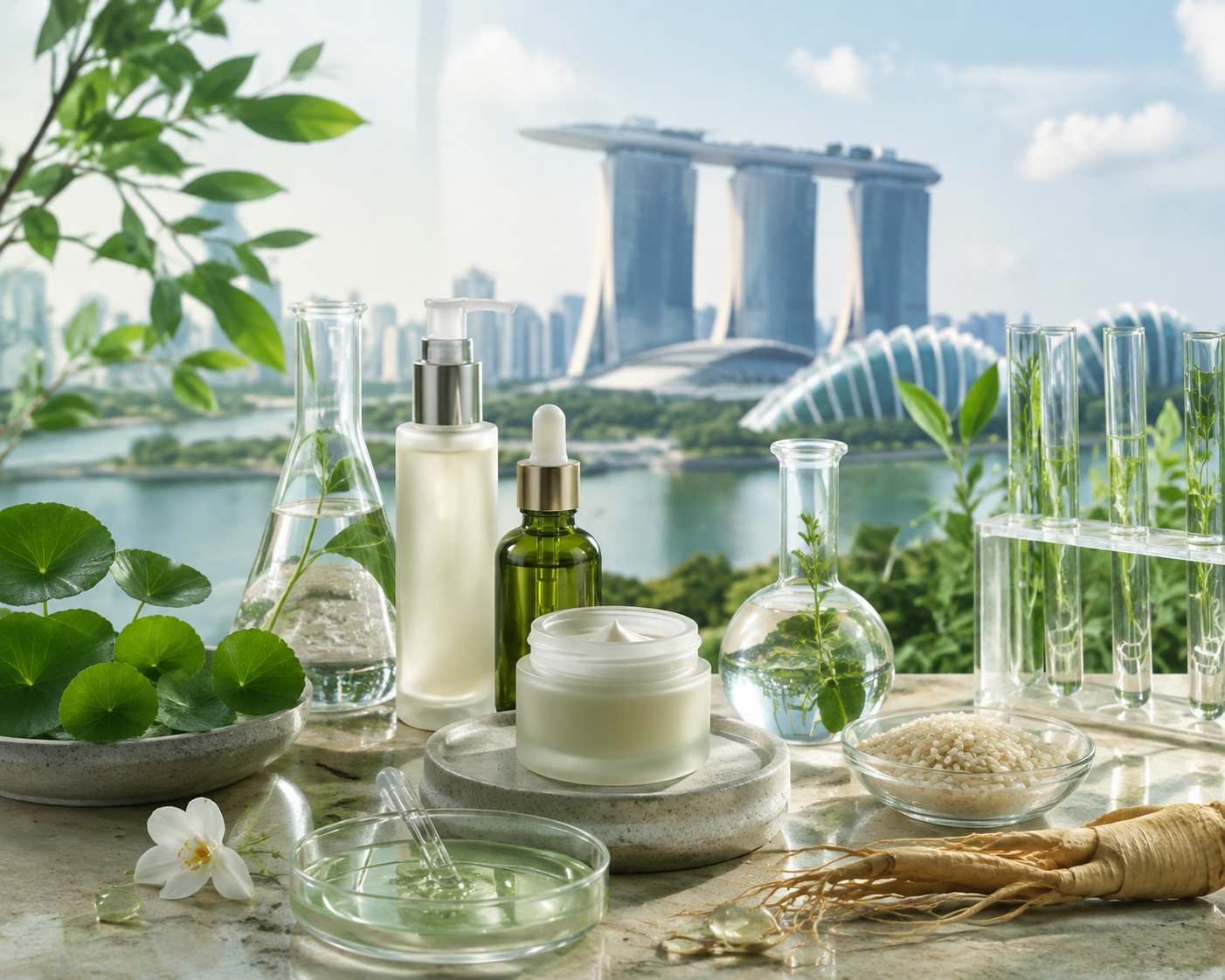
Singapore has always been a hub for medical tourism due to its world-class hospitals and highly trained doctors. Now, the lines between hospital and spa are blurring. “Medi-spas” are offering packages that combine aesthetic treatments with traditional wellness therapies.
A typical package for a visiting tourist might include a comprehensive health screening, followed by a series of treatments such as light therapy, lymphatic drainage, and nutritional counseling. Unlike neighboring countries where medical tourists go for affordability, Singapore attracts those looking for safety, transparency, and cutting-edge technology. Visitors are willing to pay a premium for the assurance that the equipment is top-tier and the practitioners are fully licensed.
Airport to Spa Pipelines
Recognizing the economic potential, the Singapore Tourism Board has actively partnered with luxury hotels to create “wellness floors.” These are not just hotel gyms; they are entire floors dedicated to recovery, equipped with cryotherapy chambers, salt rooms, and sleep pods.
The concept of the “layover facial” or “jet lag recovery” treatment is becoming incredibly popular among business travelers. Changi Airport itself features transit hotels with spa services that offer quick, targeted treatments designed to reduce swelling from flying and reset the circadian rhythm. This integration of wellness into the transit experience is a unique selling point that differentiates Singapore from regional competitors.
Clinical Recovery Lounges
Beyond the spa, specialized recovery lounges are popping up in the CBD. These facilities operate less like a day spa and more like a physical therapy clinic for the elite. They offer Normatec compression therapy for the legs, PEMF (Pulsed Electromagnetic Field) mats for cellular repair, and red-light therapy beds.
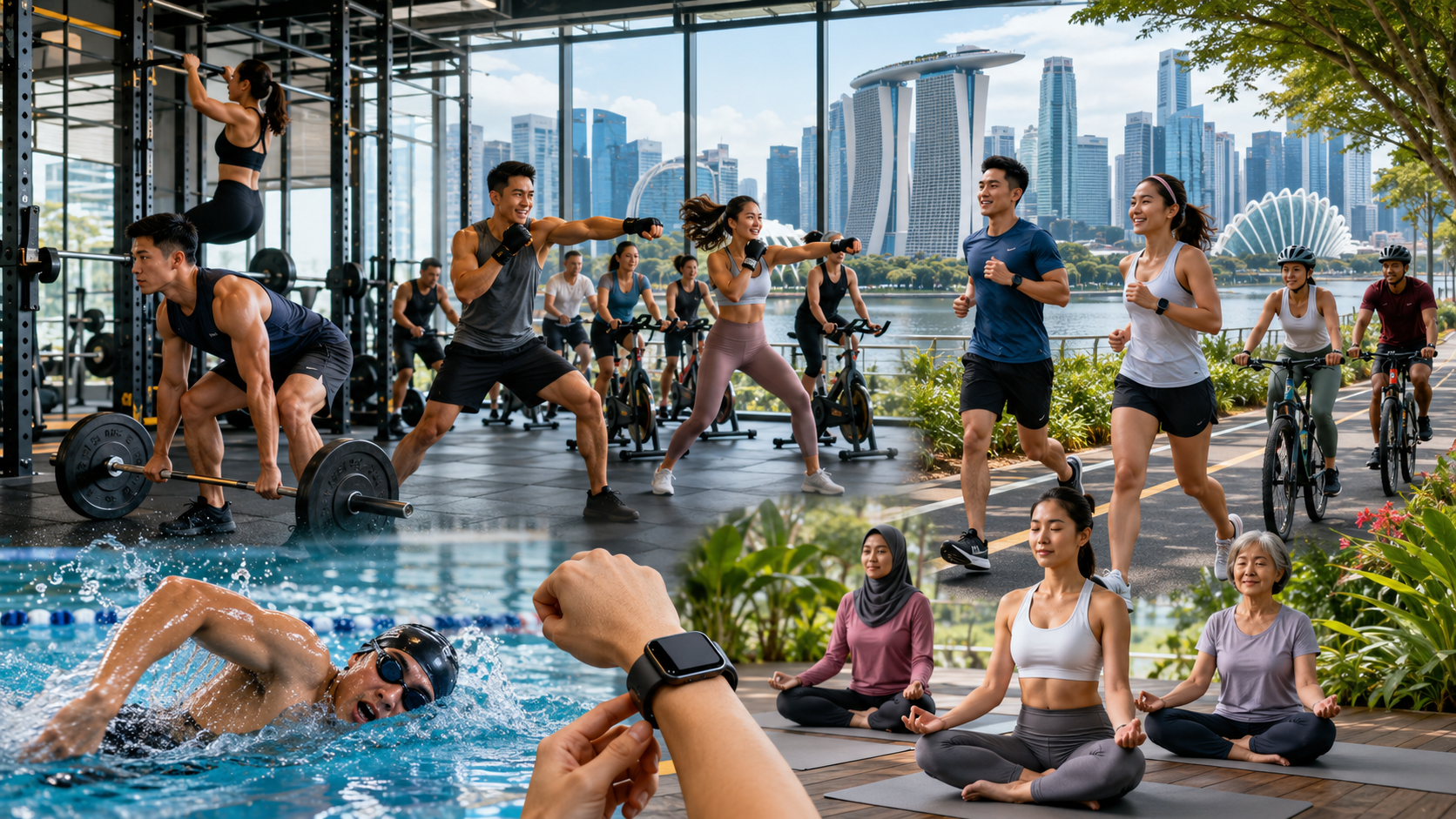
These lounges are particularly popular with digital nomads and expatriates who maintain high training volumes in the gym. The trend is heavily influenced by the “recovery is training” philosophy popularized by professional athletes. Consequently, tourists are booking sessions to maintain their fitness regimes while on the road.
The economic impact is substantial. The demand for these services is driving infrastructure investment. A recent analysis of the regional travel market highlighted that Singapore accounts for nearly a quarter of all wellness spending in Southeast Asia despite its small size. For specific statistics on traveler spending habits and the growth trajectory of the sector, the 2026 Singapore Tourism Board (STB) Annual Report details the strategic focus on “high-value, low-impact” tourists, specifically citing wellness retreats as a key performance indicator.
Tapping into Traditional Medicine
Interestingly, this high-tech boom is being balanced with a validation of Traditional Chinese Medicine (TCM). Modern wellness centers are beginning to integrate TCM diagnostics with modern tech. A tourist might have a thermal imaging scan to identify “heat” in the body, followed by acupuncture or herbal prescriptions.
This blend of the ancient and the futuristic is incredibly appealing to a global audience seeking authenticity backed by science. It positions Singapore not just as a consumer of global trends, but as an innovator crafting a unique, hybrid model of care.