The Visual Audio Hybrid
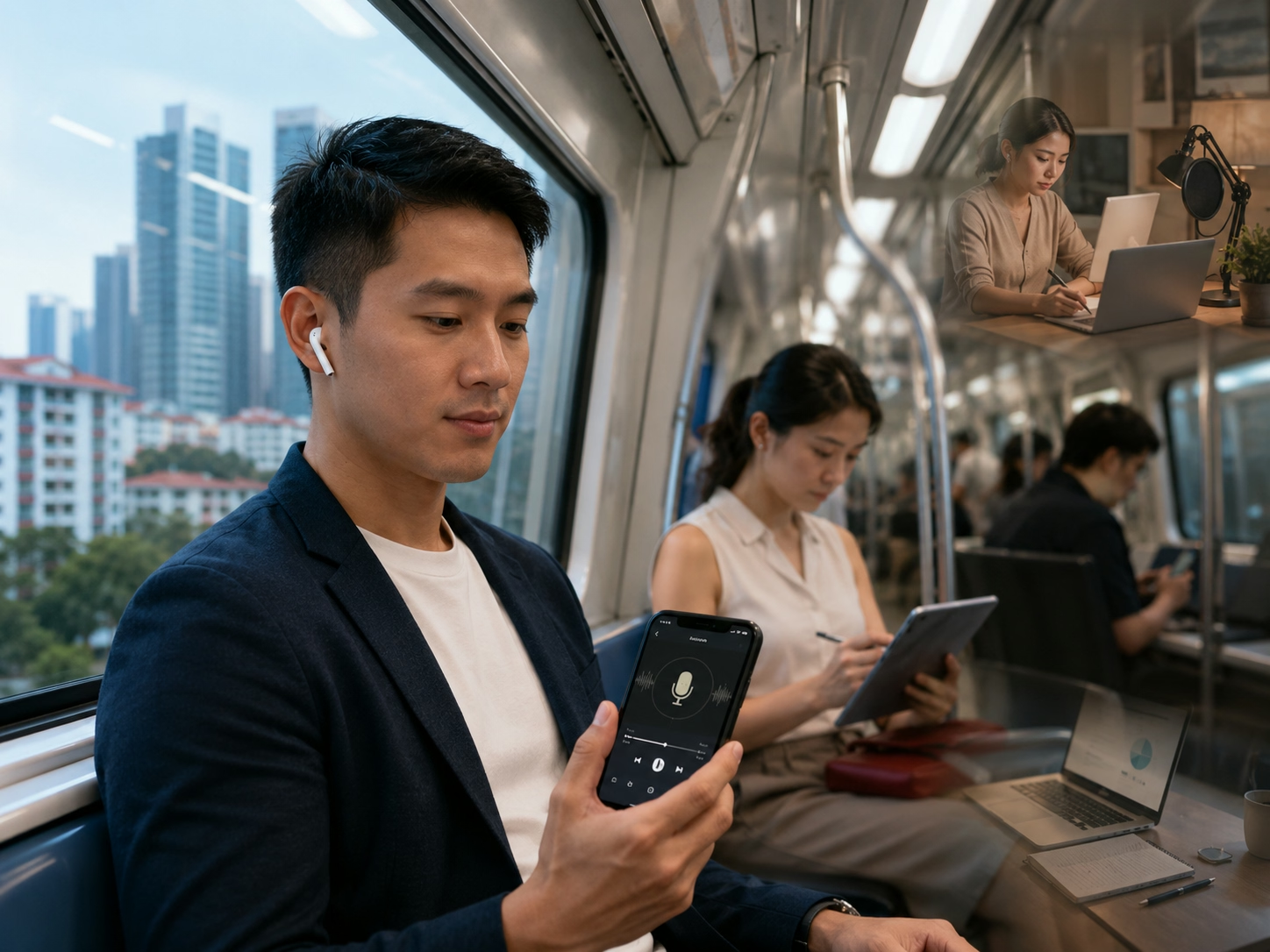
The strict definition of a “podcast” as an audio-only medium is dead. In Singapore, the most successful content creators of 2026 are treating podcasts as the central pillar of a multi-platform media empire. The “Vodcast” (Video Podcast) has become the standard, with creators filming their recording sessions to upload highlights to TikTok, Instagram Reels, and YouTube Shorts. This strategy capitalizes on Singapore’s high-quality internet infrastructure and mobile-first consumption habits.
The AI Post-Production Revolution
The reason this video-centric approach is sustainable for Singaporean creators is the advancement of AI post-production tools. Startups in Singapore are now offering software that automatically transcribes hours of audio, identifies the most “viral” moments based on audience retention data, and cuts them into vertical videos with dynamic captions. This has reduced the editing workload by up to 70%, allowing podcasters to focus on conversation while machines handle the distribution. This technological edge is allowing local creators to pump out clips at a volume that rivals international media houses.
The Rise of “LIVE” Listening Parties
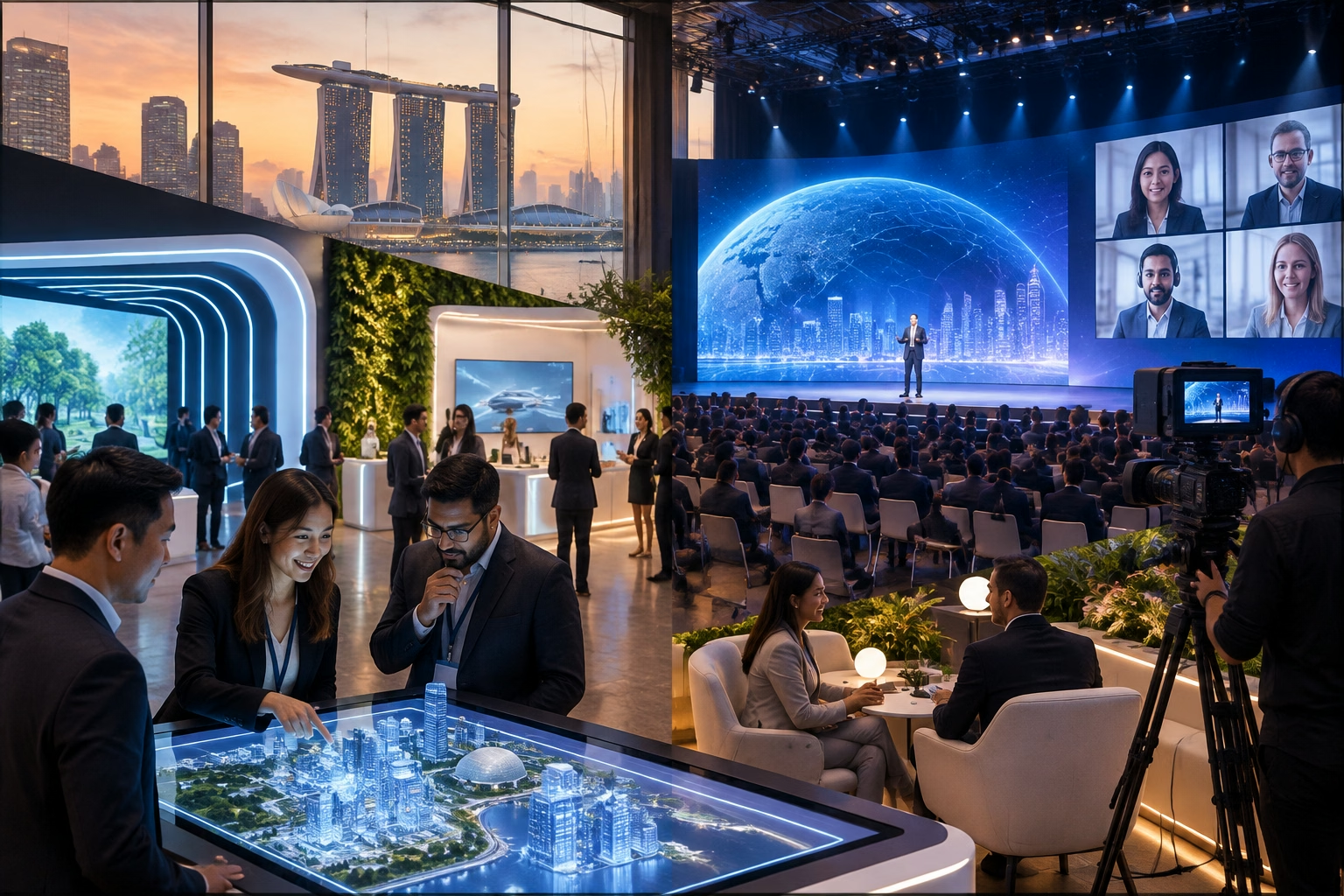
With the integration of video, Singaporean podcasters are leaning into live streams. Platforms like YouTube Live and Twitch are being used to record episodes in front of a virtual audience, allowing for real-time Q&A and donations. In the physical space, “live recording” events have become a staple of the local entertainment calendar. Venues like The Projector and Esplanade have hosted sold-out live podcast recordings, turning what was once a solitary listening experience into a communal cultural event.
Analyzing the Analytics Gap
The shift to video has also changed the metrics of success. While audio platforms measure “listens” and “completion rate,” video platforms measure “watch time” and “click-through rate.” Singaporean creators have become adept at reading both data sets simultaneously. A show that underperforms on audio might be a massive hit on YouTube due to the host’s expressive body language, leading creators to adapt their content strategy based on where the audience is engaged.