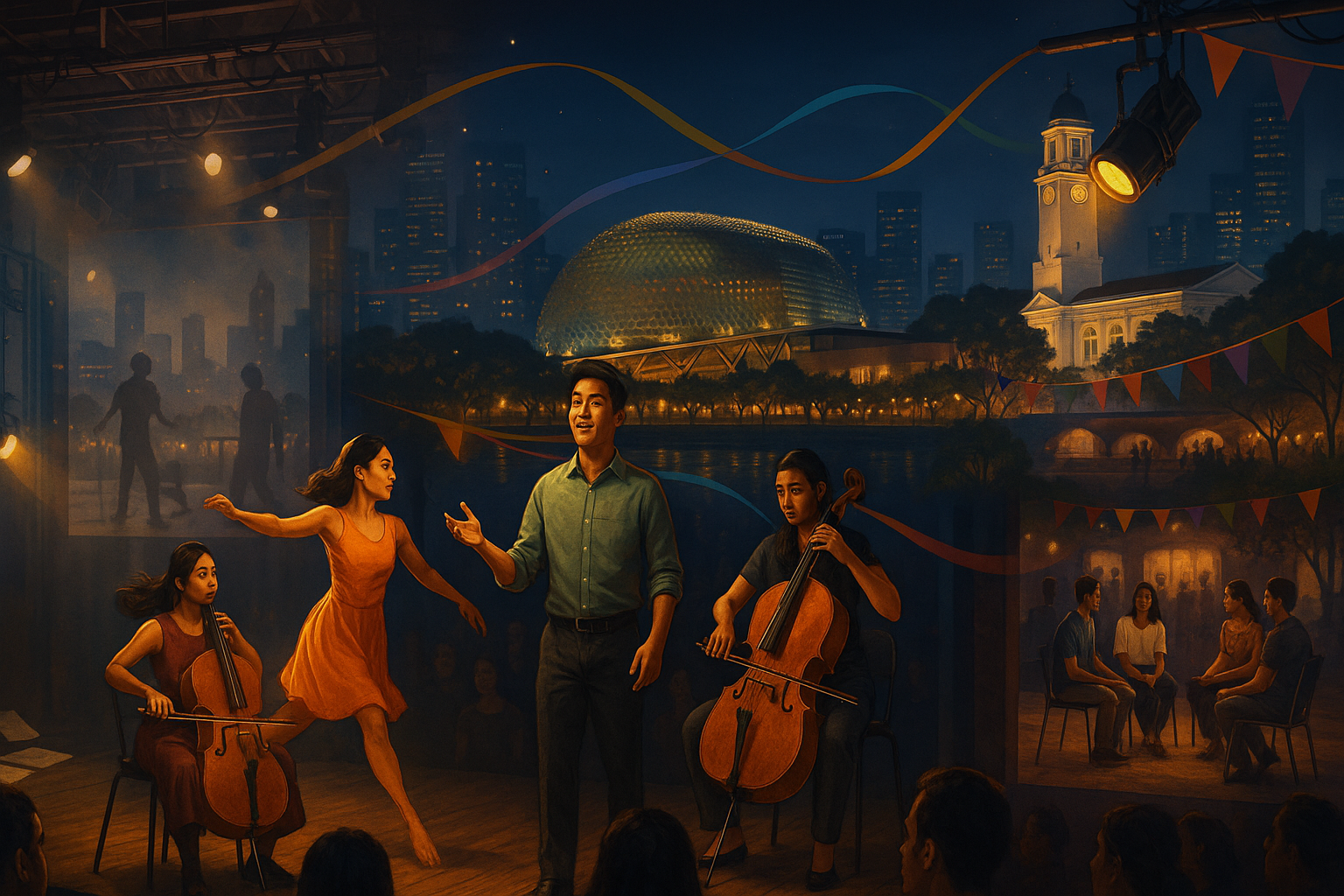
Singapore’s performing arts culture offers a fascinating fusion of the traditional and the modern, with its dance scene serving as a prime example of this blending. Singapore is home to a variety of traditional dance forms that reflect the city’s historical ethnic diversity, from Malay to Chinese to Indian influences. These classical dances provide insight into the customs, rituals, and religious practices of their respective communities, but the nation’s dynamic contemporary dance scene shows how these traditions continue to evolve in the face of modern influences.
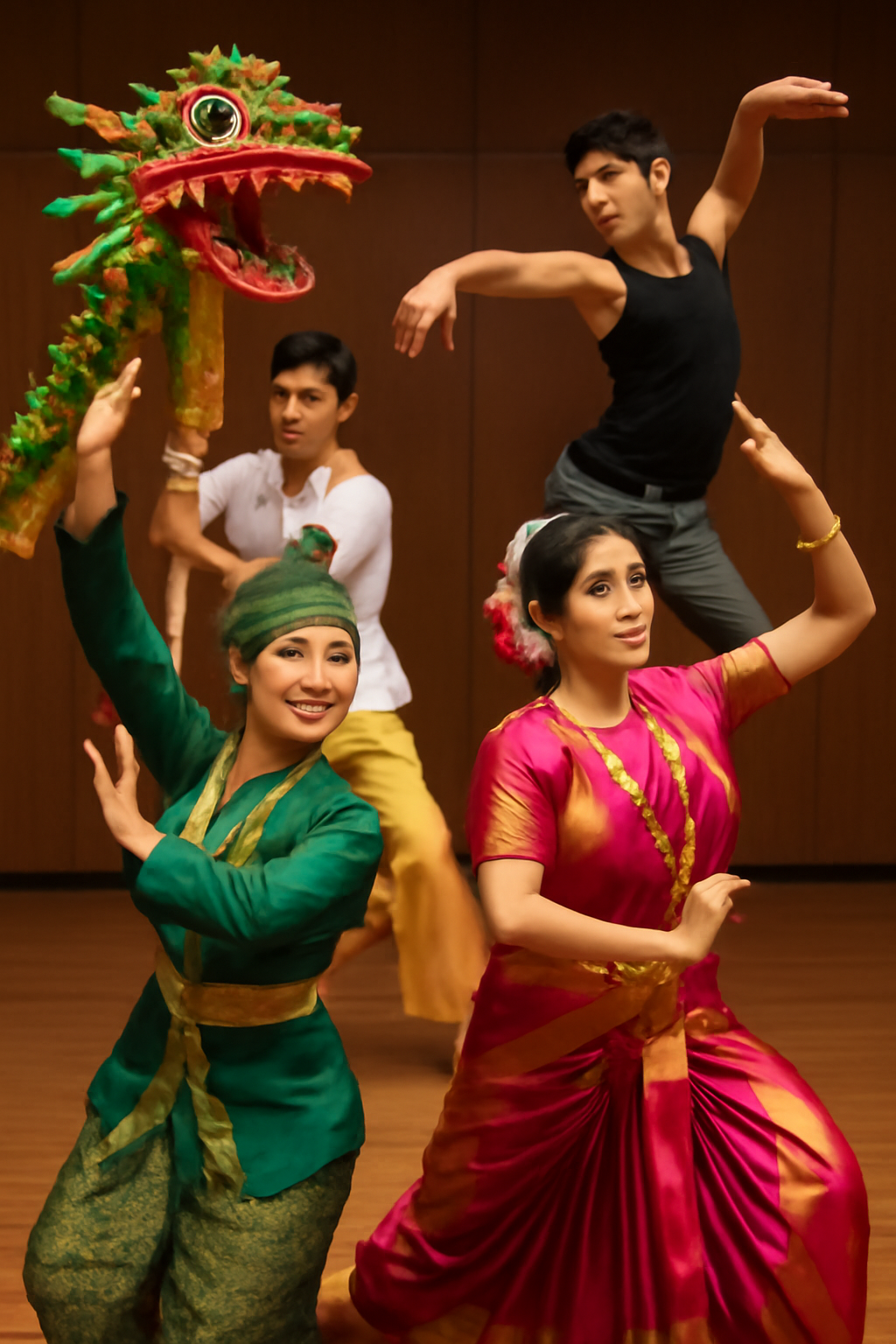
Traditional Malay dances like “Tari Zapin” and “Tari Merak” (Peacock Dance) highlight graceful movements that are often accompanied by live music. The fluidity and elegance of these dances evoke the region’s royal past and the spiritual connection to the natural world. Similarly, Chinese traditional dances such as the “Chinese Lion Dance” and “Fan Dance” continue to play an important role in community festivals, particularly during Chinese New Year celebrations. These dances symbolize prosperity and good fortune, with performers donning elaborate costumes and masks.
The influence of Indian classical dance is also strong in Singapore, particularly Bharatanatyam, Kathak, and Odissi. These dances often explore themes of spirituality, mythology, and social customs, and continue to be performed in both religious and cultural settings. The intricate movements, detailed facial expressions, and rhythmic footwork provide an avenue for dancers to express their devotion, emotions, and cultural identity.
In contrast, the contemporary dance scene in Singapore is marked by experimentation, with choreographers exploring innovative ways of integrating movement with new media and technologies. Companies such as T.H.E Dance Company and the Singapore Dance Theatre have become known for pushing the boundaries of dance by incorporating multimedia elements such as projection mapping, video art, and digital soundscapes into their performances. This bold approach has transformed the perception of dance as a purely physical art form into a multisensory experience that invites deeper engagement from audiences.
Contemporary dance performances in Singapore are also marked by the fluidity of form. Rather than adhering strictly to one style, many choreographers draw upon elements from both traditional and modern dance, creating hybrid performances that resonate with local and international audiences alike. Through these creative fusions, the performing arts scene in Singapore remains dynamic and forward-thinking, constantly adapting to global trends while honoring its rich cultural heritage.