Singapore’s television landscape is built around a practical reality: audiences are diverse in language, age, and viewing habits. To reach them, broadcasters produce a mix of drama, comedy, current affairs, and factual entertainment that reflects local culture while staying accessible. The programs that capture attention tend to offer more than escapism—they also provide identity, education, and a shared social reference point.
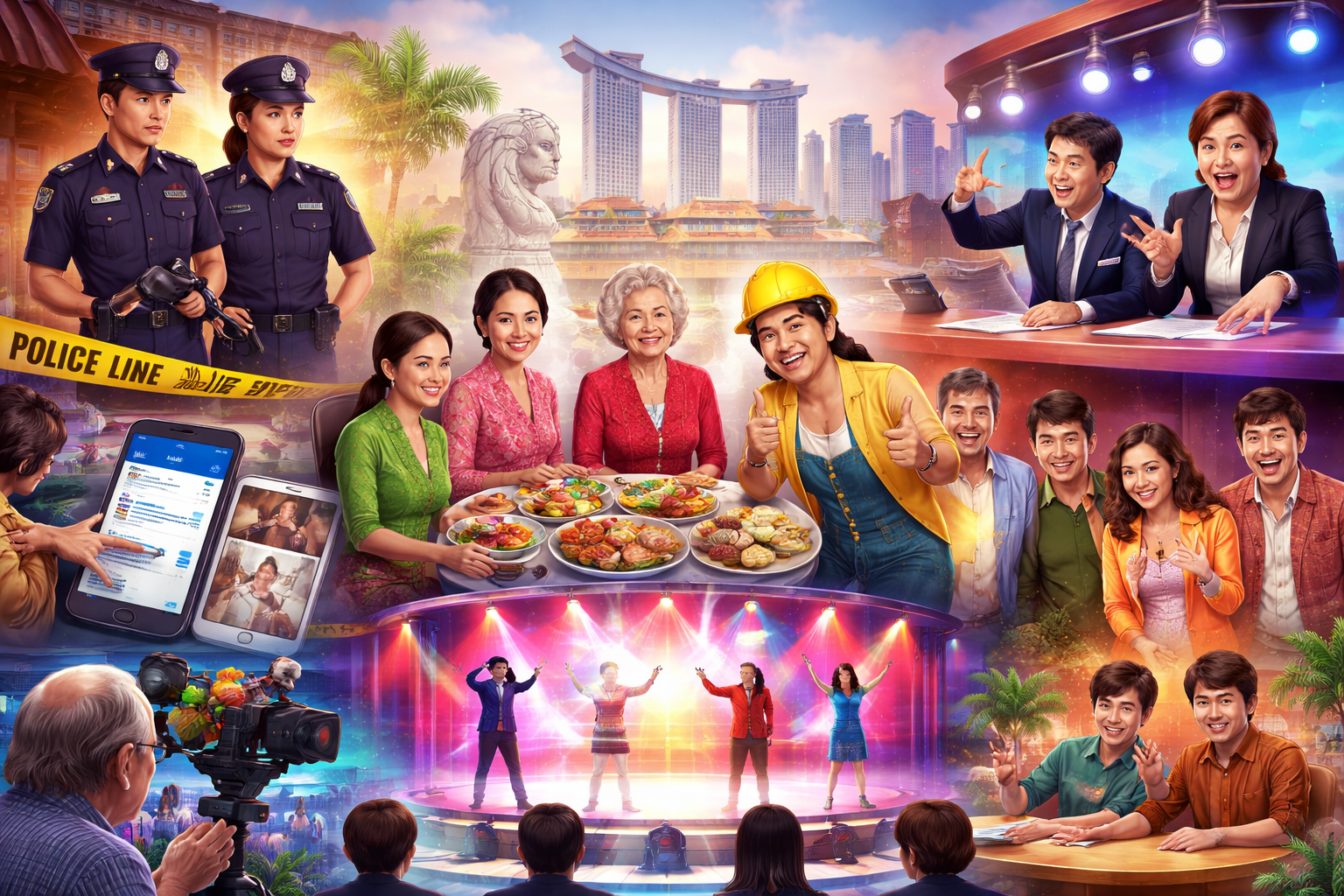
A major pillar of local popularity is Crimewatch, a true-crime and public awareness program. Its structure—recounting real cases through reenactments and investigative details—creates suspense, but the larger value is informational. Viewers learn how certain scams operate, what patterns criminals exploit, and how policing and community vigilance work together. This combination of narrative and utility helps the show maintain relevance, especially as crime evolves from physical spaces to digital ones.
In scripted entertainment, Singapore’s most watched dramas often revolve around family and heritage. The Little Nyonya stands out for placing Peranakan culture front and center in a story filled with romance, rivalry, and resilience. The show draws viewers in with period aesthetics, but it keeps them through character stakes: the cost of social status, the constraints placed on women, and the moral compromises families make to protect their name. It functions as both a drama and a cultural window, which broadens its appeal beyond typical soap dynamics.
Comedy remains another powerful engine for high viewership. Phua Chu Kang Pte Ltd became a household name by turning everyday Singaporean life into a relatable sitcom. Its humor is grounded in the familiar—family nagging, neighborhood gossip, the desire to “look successful,” and the quirks of local speech. The protagonist’s exaggerated persona works because it’s anchored in real social behaviors: performative confidence, pride in practical skills, and the constant negotiation of respect.
For viewers who prefer humor with commentary, The Noose gained traction as a mock news show that spoofs sensational reporting. By mimicking the format of television news, it creates satire that feels uncomfortably close to reality. The jokes often land because they reflect recognizable anxieties—public scares, moral panics, and social stereotyping—while also pointing out how media framing can shape what people believe.
Talent discovery and variety programming also help define Singapore’s TV favorites. Shows like Star Search attract audiences by combining performance, personal narrative, and competition. What hooks viewers is the progress arc: contestants face critiques, refine their craft, and endure pressure in front of a national audience. These programs also serve a structural role in the industry, creating new personalities who later appear in dramas, hosting gigs, and endorsements—turning a single season into long-term celebrity pathways.
The programs that dominate attention in Singapore share a common feature: they offer recognizably local storytelling while staying broadly accessible. Whether it’s learning how scams work, laughing at familiar social habits, or reconnecting with cultural roots through drama, these shows succeed by meeting viewers where they are—at home, in family conversations, and in the everyday rhythms of Singapore life.