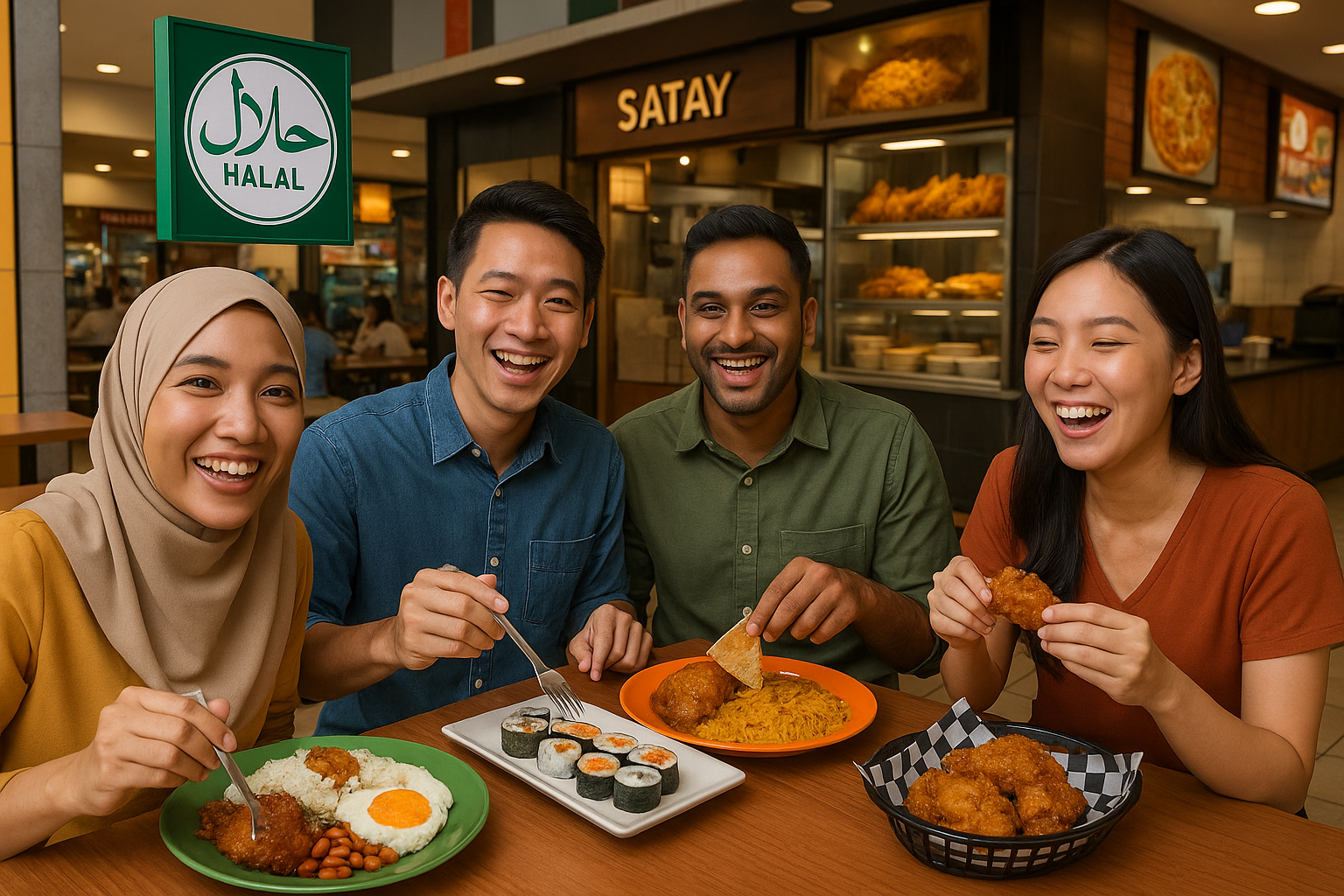
Singapore’s culinary landscape has undergone a significant transformation in recent years, with the rise of fusion food and flavor innovation playing a central role in this evolution. As the city-state embraces a more experimental approach to cooking, traditional dishes are being reimagined with fresh global influences, leading to a more dynamic and exciting dining scene. This trend is not only attracting local food lovers but also positioning Singapore as a leading destination for innovative gastronomy.
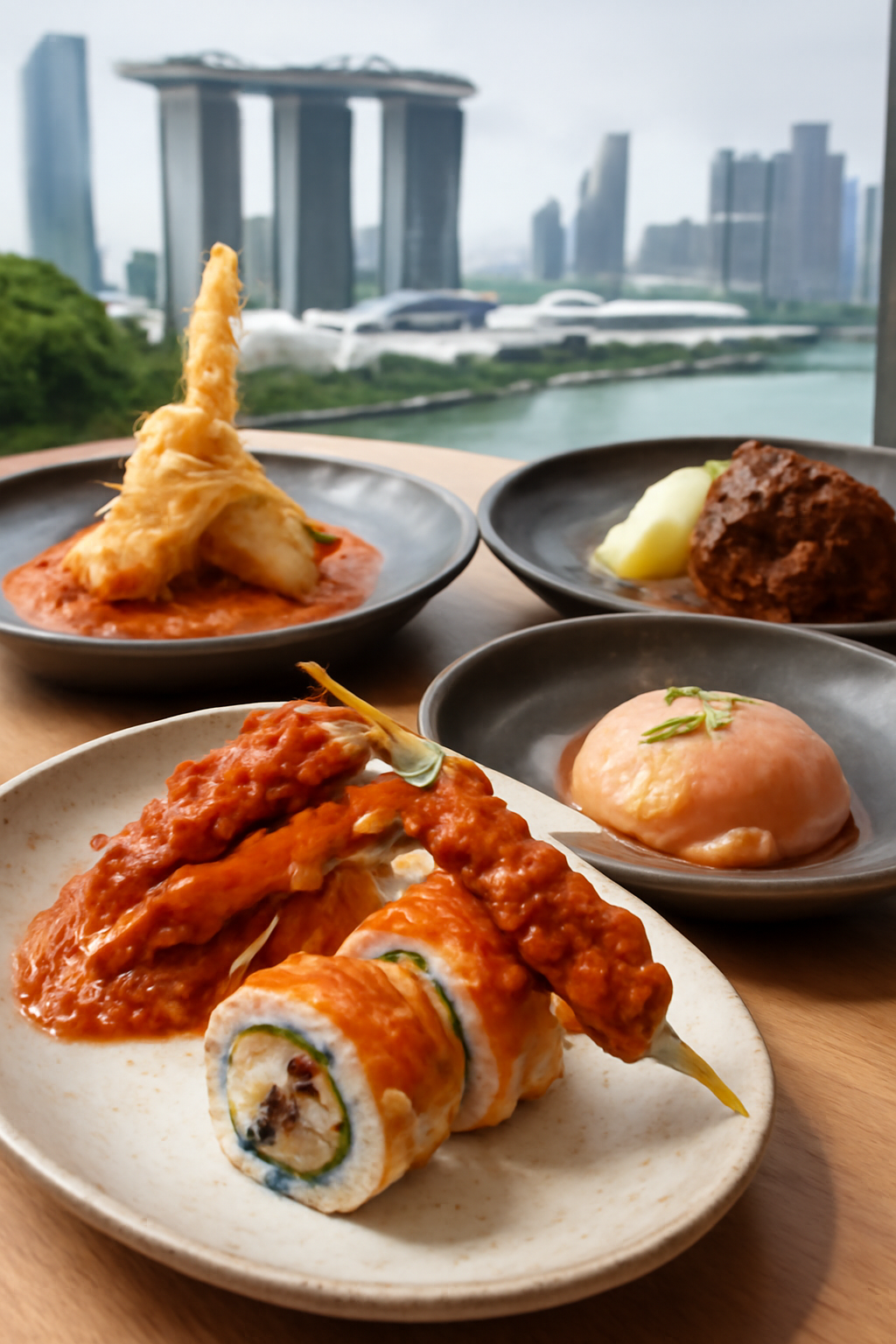
Fusion cuisine in Singapore combines elements from different food cultures, blending ingredients, cooking techniques, and presentations in surprising ways. Chefs are constantly pushing the boundaries of traditional flavors, reinterpreting iconic dishes to offer something new. For example, traditional Nasi Lemak, a popular Malay dish, may now be served with foie gras or smoked salmon, introducing luxurious ingredients into a beloved comfort food dish. Similarly, chili crab, a national dish, can be found on some menus with added notes of tamarind and lemongrass, enhancing the depth of flavor and providing a fresh twist on an old classic.
What makes Singapore’s fusion food scene particularly exciting is the integration of both Asian and Western influences. The influx of international culinary trends has encouraged chefs to take risks and explore unfamiliar territory. French fine dining techniques, Italian-inspired pastas, and even Middle Eastern spices are now appearing on the menus of local restaurants, often mixed with traditional Asian flavors such as coconut milk, turmeric, and ginger. This cross-pollination of flavors results in dishes that are both familiar and new at the same time.
Moreover, Singapore’s love for innovation has led to the incorporation of cutting-edge cooking technologies into traditional recipes. Techniques like sous-vide, fermentation, and even molecular gastronomy have been applied to local dishes, transforming the texture and presentation of familiar flavors. The use of liquid nitrogen to instantly freeze ingredients, or the application of sous-vide to slow-cook meats to perfect tenderness, has allowed chefs to create dishes that challenge both the mind and the palate.
In line with this wave of culinary innovation, sustainability has emerged as an important consideration for many chefs. There is a growing movement to highlight locally sourced and seasonal ingredients, often used in unique combinations that celebrate the region’s biodiversity. Ingredients like heirloom tomatoes, wild mushrooms, and local herbs such as basil and lemongrass are being reimagined in contemporary fusion dishes, bringing new life to traditional recipes while promoting sustainable practices.
The fusion food movement has also been fueled by the dynamic food culture in Singapore, where food is a social experience. Pop-up restaurants and food festivals have become platforms for chefs to experiment with bold and unusual flavor combinations. These events foster a spirit of creativity and collaboration, allowing chefs to showcase their skills and connect with their audience in exciting and unconventional ways. Food bloggers, influencers, and social media platforms have only amplified this, helping to bring fusion dishes to a global audience and turning local chefs into international food stars.
In this evolving culinary landscape, diners are encouraged to embrace a more adventurous approach to food. Whether it’s trying a modern twist on a classic local dish or exploring new flavor combinations, the fusion food trend is reshaping how people experience dining in Singapore. As chefs continue to innovate and experiment, there is no limit to the exciting new culinary experiences that await food enthusiasts in this dynamic food city.