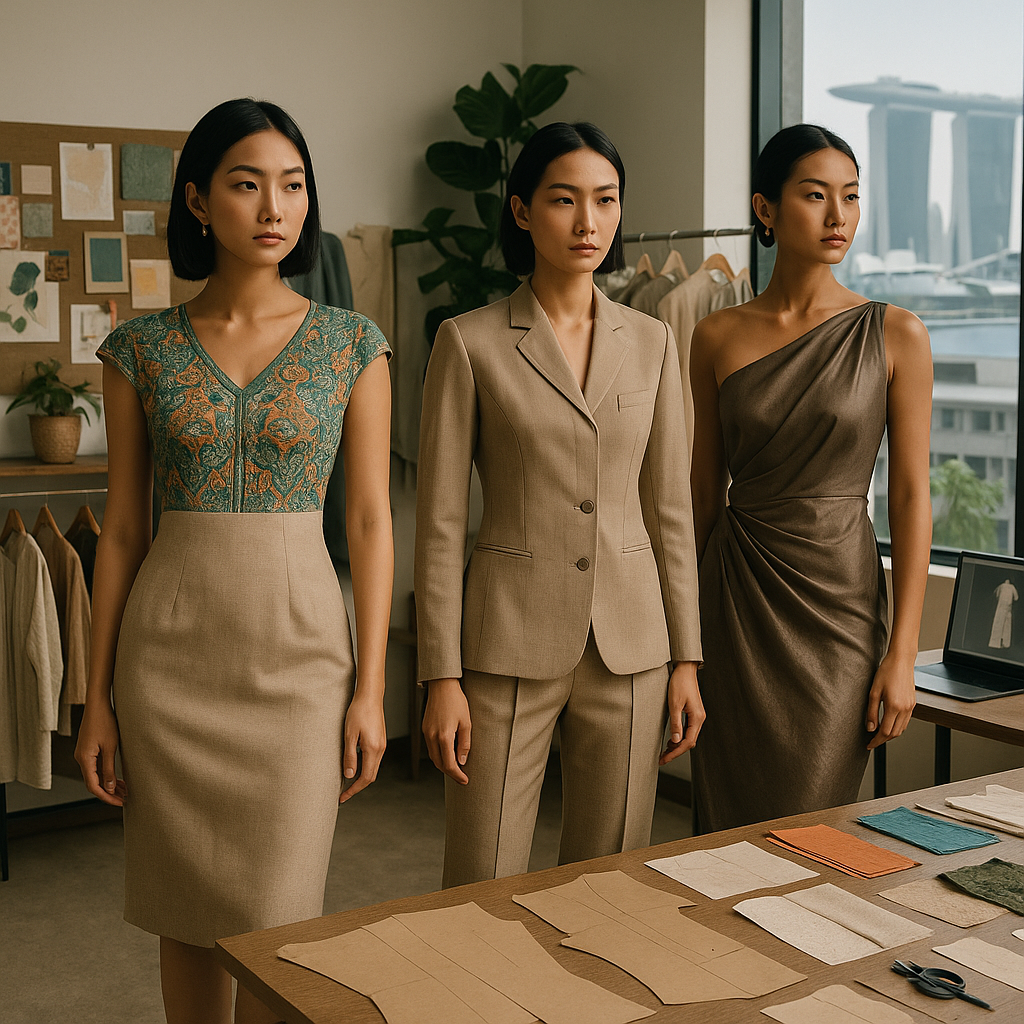
Festival fashion in Singapore is more than a celebration of contemporary style; it is a living dialogue with tradition. As a city shaped by Chinese, Malay, Indian, Peranakan, and many other cultural influences, Singapore naturally channels this diversity into what people wear at festivals and public celebrations. Clothing becomes a canvas where heritage, memory, and modern aesthetics meet.
One of the most striking aspects of this cultural dimension is the reinterpretation of traditional garments. Items such as the cheongsam, kebaya, sari, and baju kurung are not confined to formal or religious occasions. During festivals, designers and wearers reimagine these silhouettes in playful ways. A high-slit cheongsam-style dress made from denim, a cropped kebaya top paired with wide-leg trousers, or a sari draped over a simple T-shirt demonstrates how classic forms can be adapted for dance floors and outdoor stages.
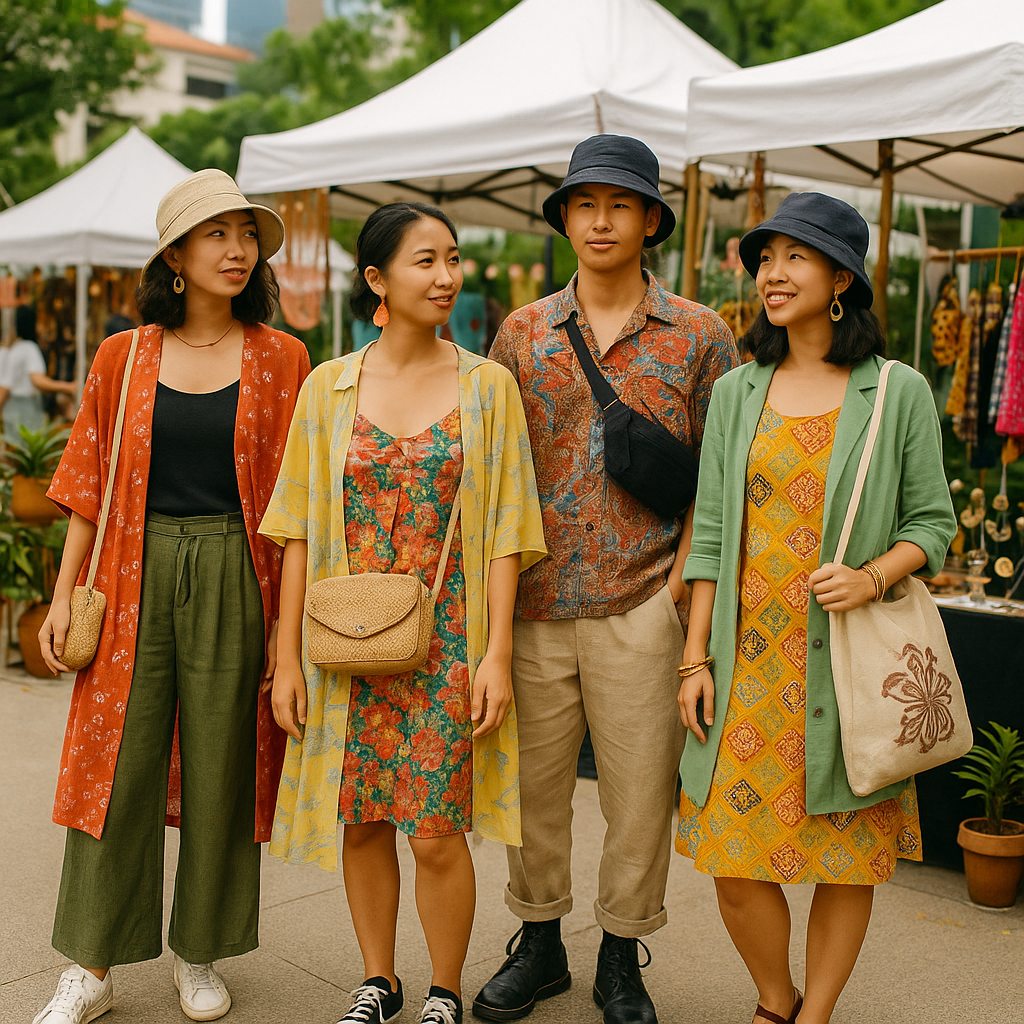
Patterns and motifs carry deep meaning and appear frequently in festival outfits. Florals reminiscent of Nyonya porcelain, geometric patterns referencing Islamic art, or auspicious Chinese symbols subtly embedded into prints allow wearers to express identity without quoting tradition too literally. Many designers use these motifs in unexpected places—on bomber jackets, bucket hats, or sneakers—showing how heritage can adapt to fast-paced urban life.
Color symbolism remains important. Bright reds, golds, deep blues, and lush greens are common choices, especially at celebrations linked to cultural calendars. At the same time, minimalist palettes of black, white, and earth tones often incorporate traditional textiles or trims, resulting in understated yet meaningful looks. This balance between bold and subtle allows festival-goers to navigate different spaces, from heritage districts and temple streets to modern waterfront venues.
Accessories further reinforce cultural storytelling. Intricate hairpins, beaded clutches, and embroidered belts inspired by traditional crafts appear alongside contemporary jewelry. Some local artisans specialize in updating heritage techniques such as beading, batik, or hand-embroidery, integrating them into modern silhouettes. Festival-goers who wear these pieces effectively carry small works of craftsmanship with them, supporting artisans and preserving skills that might otherwise fade.
Intercultural mixing is also common. In a single outfit, a person might combine a batik-print skirt, sneakers from a local streetwear brand, and a T-shirt featuring Tamil calligraphy. This kind of styling reflects everyday reality in Singapore, where cultures intersect constantly. Festivals provide a visible stage for this hybridity, allowing people to experiment and express their own blend of influences without strict rules.
Local events often encourage this cultural creativity through themed nights or heritage-focused segments. Performances of traditional music, dance, or storytelling may inspire attendees to dress in ways that align with the atmosphere. Photography exhibitions and installations about Singapore’s past sometimes sit side by side with fashion pop-ups, reinforcing the idea that clothing is part of a broader cultural ecosystem.
At the same time, there is growing awareness of cultural sensitivity. Many designers and festival-goers are careful to differentiate between respectful adaptation and careless appropriation. Conversations about representation, consent, and context increasingly shape how traditional elements are used in fashion. Singapore’s multicultural framework encourages these discussions, promoting designs that honor origins while embracing innovation.
In this environment, festival fashion becomes a bridge between generations. Older aesthetics find new life in the wardrobes of younger people, while contemporary silhouettes help heritage feel relevant and exciting. The result is a visual landscape where the past and present coexist, and where every outfit has the potential to carry stories from family histories, neighborhood memories, and the shared fabric of the nation.