The shift toward sustainable fashion is gaining momentum in Singapore, as both local designers and global brands recognize the need for environmental responsibility in fashion production. In response to the increasing awareness of climate change and waste pollution, fashion businesses in Singapore are adopting greener alternatives, from eco-friendly materials to energy-efficient production processes.
In recent years, there has been a noticeable increase in consumer demand for sustainable products. This change in consumer behavior is driven by concerns about the negative environmental and social impacts of the fast fashion industry. Singapore, as a progressive city-state, is embracing this shift, with numerous local brands and designers adopting sustainable practices as a core part of their business model.
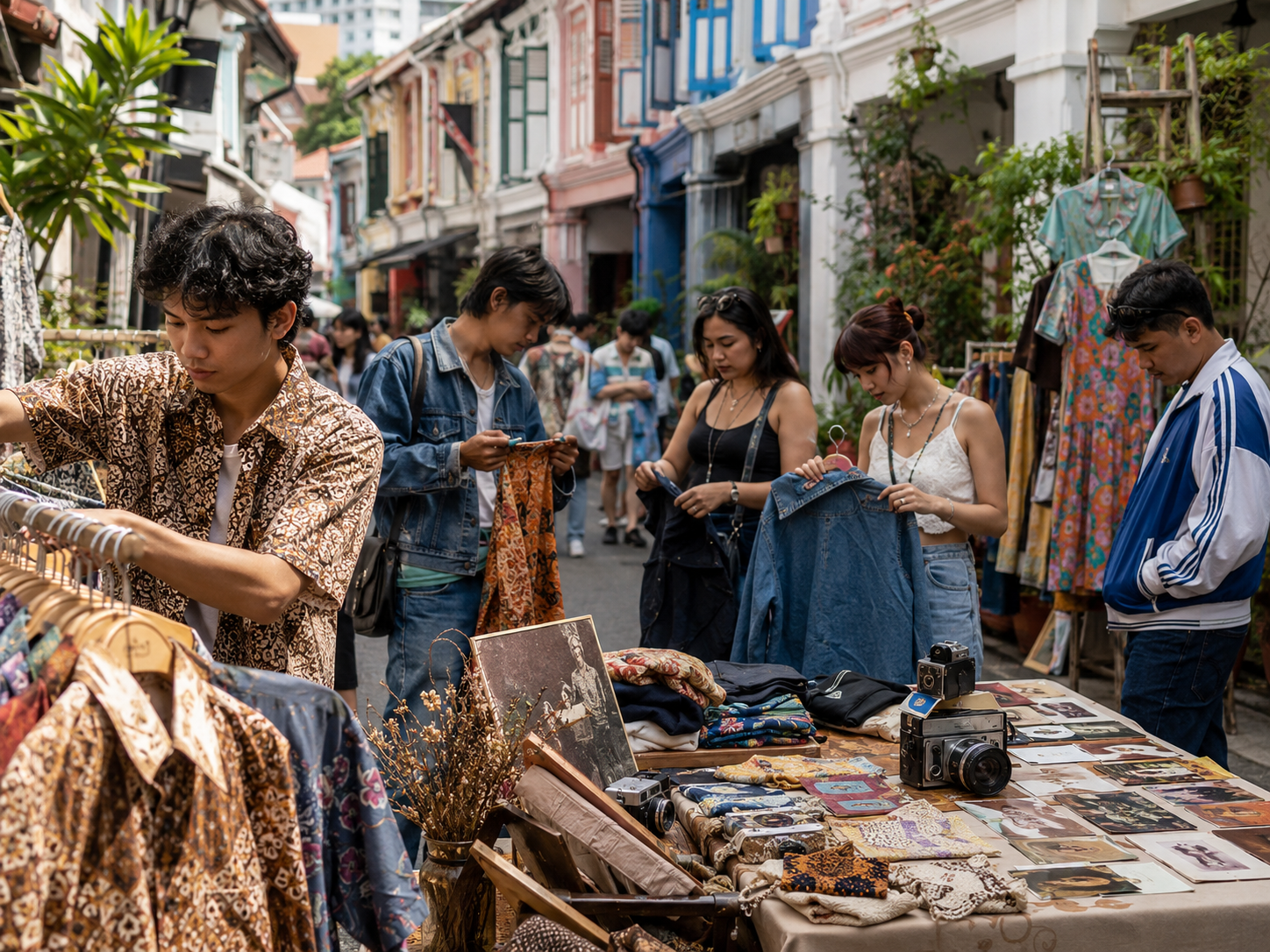
Eco-friendly materials are at the forefront of this movement. For instance, The Fashion Pulpit is a local fashion platform that promotes sustainable fashion through its eco-conscious approach to material sourcing. The brand utilizes natural, biodegradable fabrics and strives to limit its carbon footprint by using ethical production processes. Additionally, many designers in Singapore are opting for upcycled materials, such as vintage fabrics and repurposed garments, to create unique, sustainable collections.
Renting and swapping clothes is also gaining popularity in Singapore as part of the effort to reduce textile waste. Platforms like Reebonz and Style Theory allow customers to rent high-end clothing and accessories, offering an alternative to the traditional model of purchasing new items. These rental services reduce the demand for new garments, extending the life cycle of fashion products and decreasing waste.
The practice of upcycling is another growing trend in Singapore’s fashion industry. Designers are turning discarded textiles into new, functional pieces, giving old clothes a second life. This creative process not only reduces the amount of waste generated by the fashion industry but also adds a sense of uniqueness and value to each garment.
Singapore’s government has been instrumental in driving the push for sustainable fashion. The Sustainability and Circular Economy Programme has provided support and incentives for businesses to integrate sustainable practices into their operations. The government’s proactive stance on sustainability is critical in creating an environment that encourages green business practices within the fashion industry.
By fostering innovation and encouraging the adoption of eco-friendly practices, Singapore is setting an example for the fashion industry worldwide. With its focus on sustainability, the city-state is transforming its fashion scene into one that values environmental responsibility and creativity, offering hope for a more sustainable future in the fashion world.