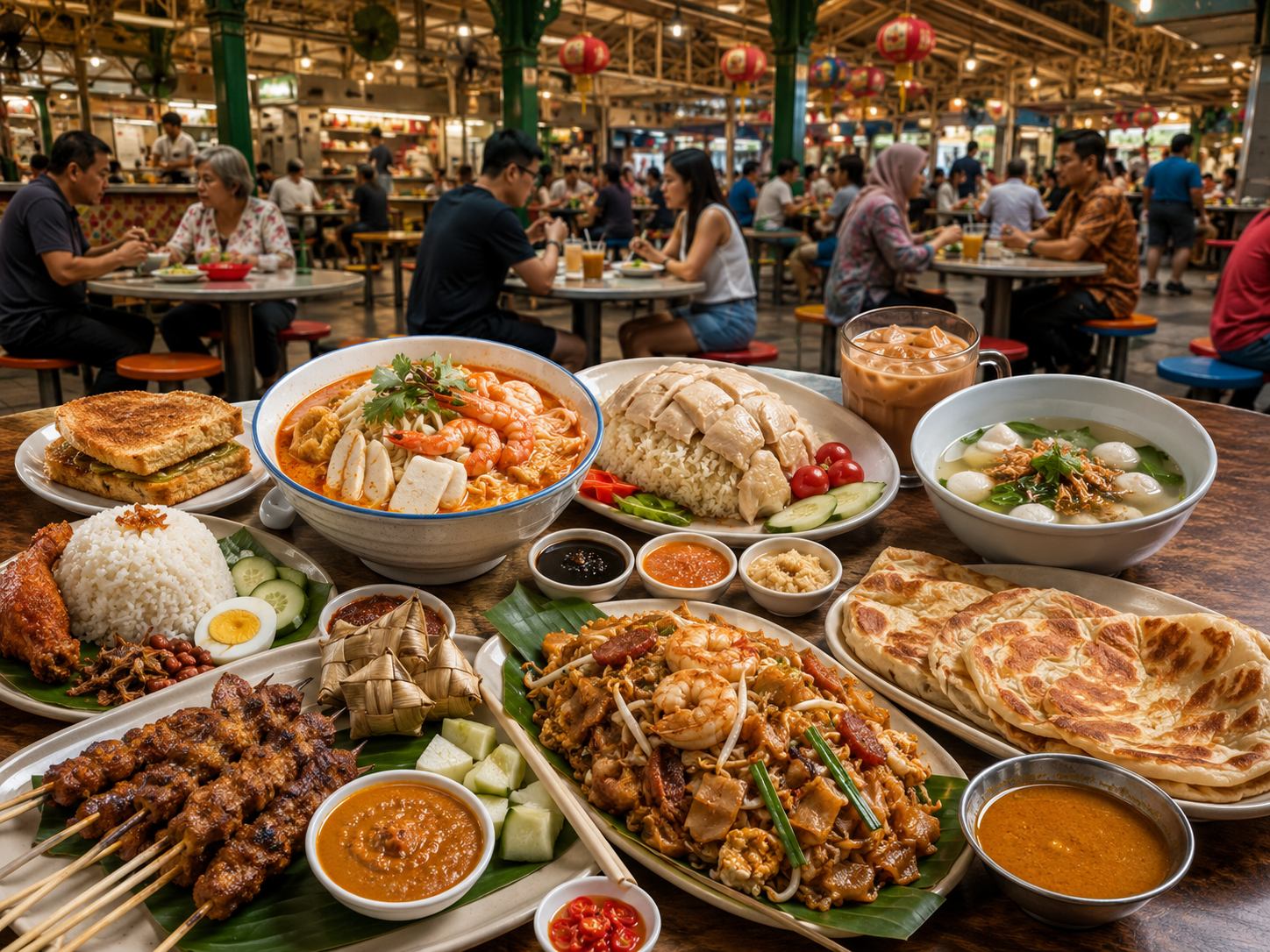
Hawker centres are an indispensable feature of Singapore’s food landscape, offering an accessible and affordable array of local dishes that reflect the city-state’s cultural diversity. These food hubs, home to countless food stalls, are essential to the daily lives of Singaporeans, providing not only nourishment but also a sense of identity and community.
The roots of hawker centres can be traced back to the early 20th century when street food vendors were common throughout Singapore. While street food was popular, issues related to sanitation and hygiene prompted the government to create dedicated spaces for these vendors. By the 1970s, hawker centres were established to provide a cleaner, safer environment for food preparation, and since then, they have evolved into major cultural landmarks.
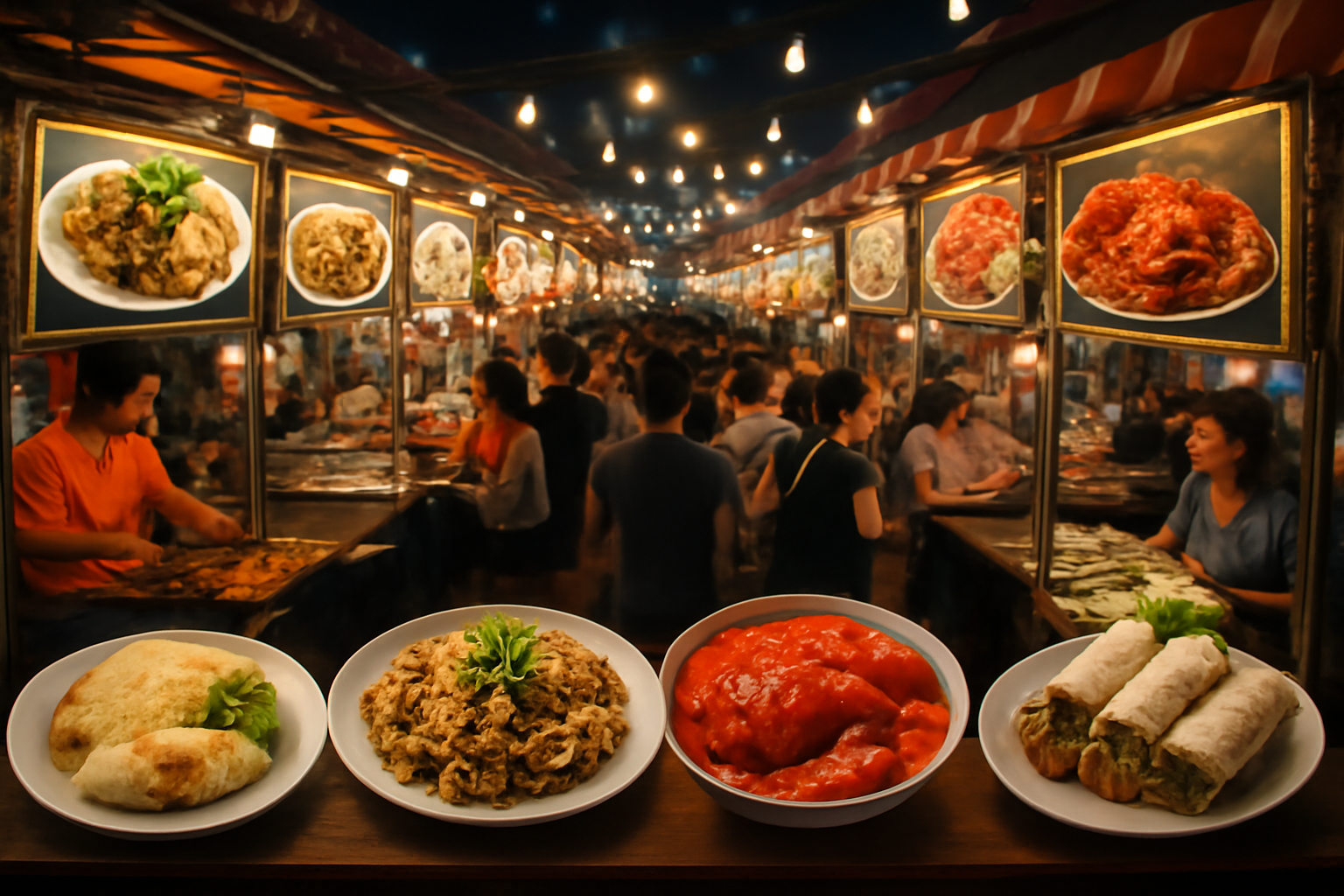
One of the most striking aspects of hawker centres is the diversity of food they offer. In a single location, you can find dishes from Singapore’s major ethnic groups: Chinese, Malay, Indian, and others. This diversity reflects the multicultural nature of Singapore, with each dish representing a particular cultural tradition. From the savory delights of dim sum to the fiery heat of sambal, hawker centres offer a veritable feast for the senses.
In addition to the variety of dishes, hawker centres are incredibly affordable, which makes them a popular choice for both locals and tourists. Unlike high-end restaurants, hawker food is designed to be budget-friendly, with many dishes costing just a few dollars. This affordability ensures that hawker centres remain accessible to people from all walks of life, from office workers to families and students.
Beyond their role in providing affordable meals, hawker centres also serve as living repositories of Singapore’s culinary heritage. Many stall owners have inherited recipes and cooking methods that have been passed down through generations, preserving traditional dishes that have been part of Singapore’s food scene for decades. Whether it’s the slow-cooked soup of bak kut teh or the complex flavors of nasi lemak, these traditional foods provide a tangible link to the past and reflect the ongoing evolution of Singaporean cuisine.
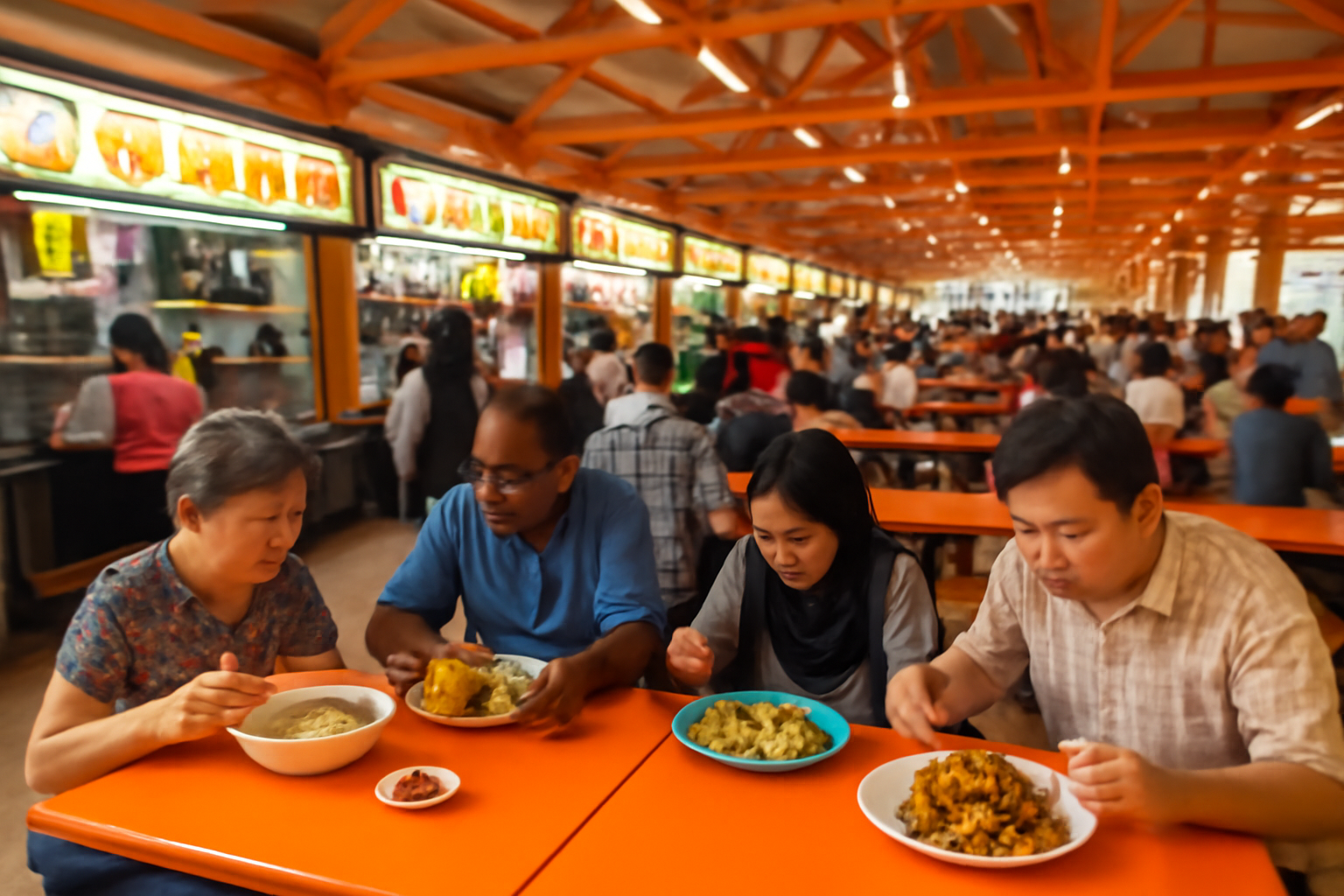
The role of hawker centres in fostering community is another crucial aspect of their significance. The communal seating arrangements allow diners to interact with one another, often creating an atmosphere of shared enjoyment. This communal aspect of hawker dining is a key part of the Singaporean experience, where food serves as a medium for socialization and cultural exchange.
The importance of hawker centres has been formally recognized by UNESCO, which included Singapore’s hawker culture in the list of Intangible Cultural Heritage in 2020. This recognition is a testament to the cultural value of hawker centres, which not only provide delicious food but also contribute to the preservation and promotion of Singapore’s culinary traditions.
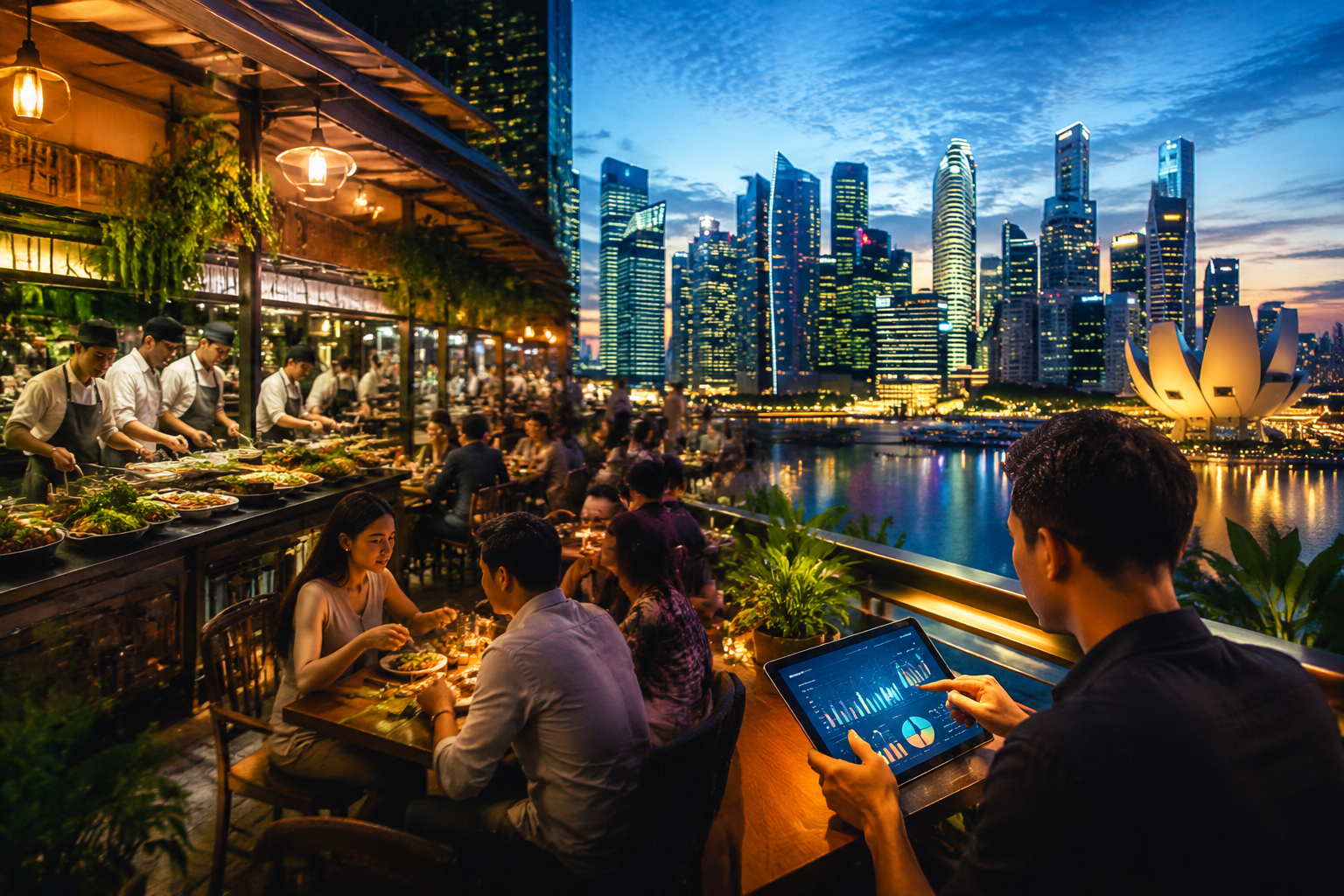
As tourism continues to grow in Singapore, hawker centres have become a major draw for visitors seeking an authentic, local food experience. For many tourists, visiting a hawker centre is a must-do activity, offering a taste of Singapore’s rich culinary diversity in an informal and welcoming environment. The growing interest in local food has also led to creative reinterpretations of traditional dishes, blending modern cooking techniques with time-honored recipes.
The unique blend of tradition, affordability, and community makes hawker centres a vital part of Singapore’s culinary landscape. They provide a space where culture, heritage, and food come together, offering a diverse range of dishes that are both deeply rooted in history and exciting in their evolution.