The E-commerce Imperative: Why Digital Channels Are Non-Negotiable
In Singapore’s compact yet digitally saturated market, e-commerce has become an indispensable channel for footwear brands. Euromonitor’s 2026 report emphasises that “e-commerce plays a crucial role in footwear sales,” with growth driven by convenience, social media, and exclusive offerings. For local brands seeking to compete with global giants that have vast physical retail networks, digital channels offer a path to reach consumers without the capital-intensive burden of widespread brick-and-mortar expansion.
The numbers underscore this shift. Singapore’s high internet penetration and smartphone usage, combined with growing consumer preference for online shopping convenience, are creating a favourable environment for e-commerce footwear sales. The Singapore E-commerce Footwear Market report projects continued growth through 2032, driven by rising disposable incomes and changing lifestyle trends that support digital purchasing.
Gen Z and the Social Commerce Revolution
The demographic composition of Singapore’s online shoe shoppers is shifting decisively toward younger consumers. Euromonitor notes that “Gen Z consumers to drive demand for trend-forward and expressive designs” in the e-commerce footwear category. This cohort does not merely shop online—they discover, evaluate, and purchase through social media ecosystems that blur the boundaries between content and commerce.
For local brands, this presents both opportunity and challenge. The opportunity lies in the ability to build direct relationships with consumers through authentic social media storytelling, bypassing traditional retail gatekeepers. The challenge is that Gen Z consumers are sophisticated, skeptical of overt marketing, and demand transparency and values-alignment from the brands they support. Successful local labels have embraced this dynamic, using platforms like Instagram and TikTok not merely as sales channels but as community-building tools.
AI and Personalisation: The New Retail Frontier
Technology is reshaping not just where consumers shop but how they shop. Skechers Singapore has launched an AI assistant called “Luna” for personalised shopping, while On’s flagship concept blends retail with community engagement. These innovations signal a broader shift toward AI-driven personalisation in footwear retail.
StrategyHelix’s 2026 market report highlights that “physical stores are becoming more experience-driven, with retailers introducing interactive elements such as real-time try-ons, product demonstrations and more tailored consultations to elevate the shopping journey”. For local brands, the integration of AI-powered fitting tools and virtual try-ons could be particularly transformative, addressing one of the primary barriers to online footwear purchase: the inability to try before buying.
The Omnichannel Reality: Blending Digital and Physical
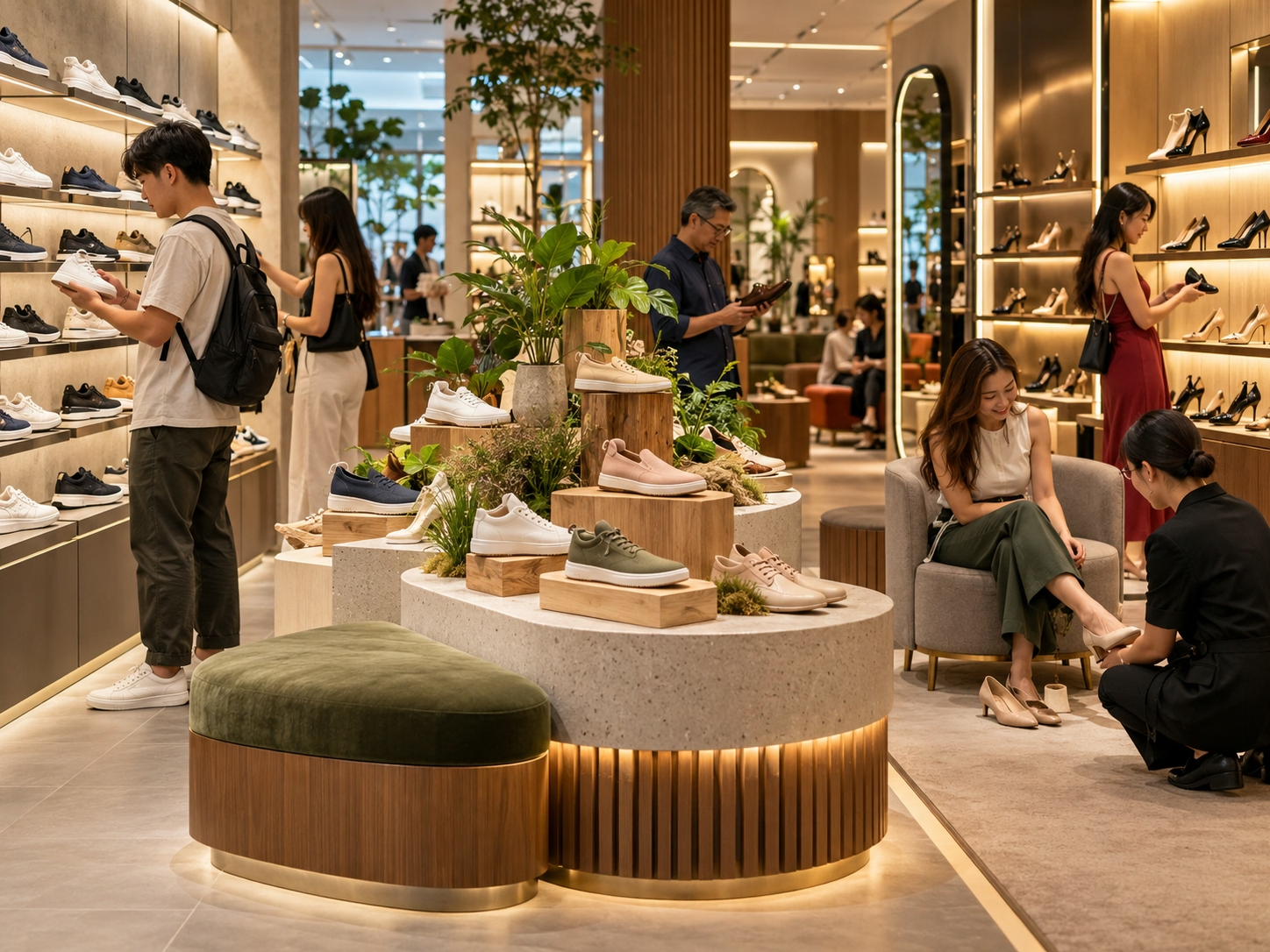
Despite the growth of e-commerce, physical retail remains vital in Singapore’s mall-centric shopping culture. The winning strategy is not digital versus physical but digital and physical working in concert. Euromonitor’s report notes that “immersive experiences and digital innovation reinforce physical retail appeal,” suggesting that technology is enhancing rather than replacing in-store shopping.
For local footwear brands, this means investing in seamless omnichannel experiences where consumers can browse online, try in-store, and purchase through their preferred channel. The ability to offer personalised consultations, whether through AI assistants or knowledgeable staff, creates a differentiated experience that pure-play e-commerce platforms struggle to match. In a market where consumers expect more than product alone, the integration of digital convenience with physical experience becomes a powerful competitive lever.
Data Privacy and Consumer Trust: The Unspoken Challenge
As brands accelerate their digital transformation, data privacy emerges as a critical concern. Singaporean consumers are among the most digitally savvy in the region, and their willingness to share personal data depends on clear value exchange and demonstrated trustworthiness. Brands that use AI and personalisation tools must navigate this terrain carefully, ensuring that data collection serves consumer interests—better fit, more relevant recommendations—rather than merely optimising for short-term conversion.
The trajectory is clear: Singapore’s footwear market will continue its digital evolution, with e-commerce, social commerce, and AI-driven personalisation reshaping consumer expectations and brand strategies. The local brands that thrive will be those that embrace technology not as a gimmick but as a genuine tool for understanding and serving their customers better.