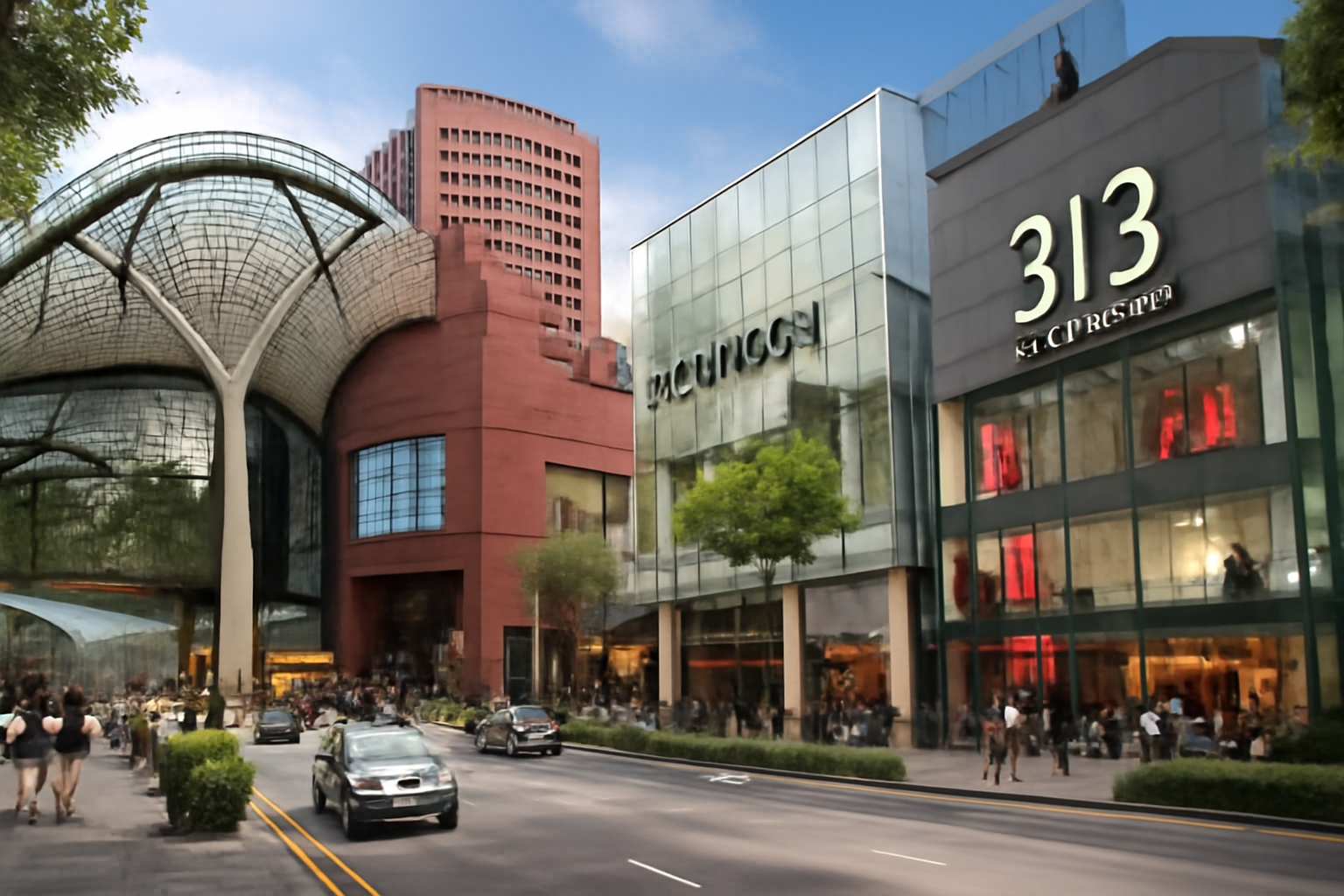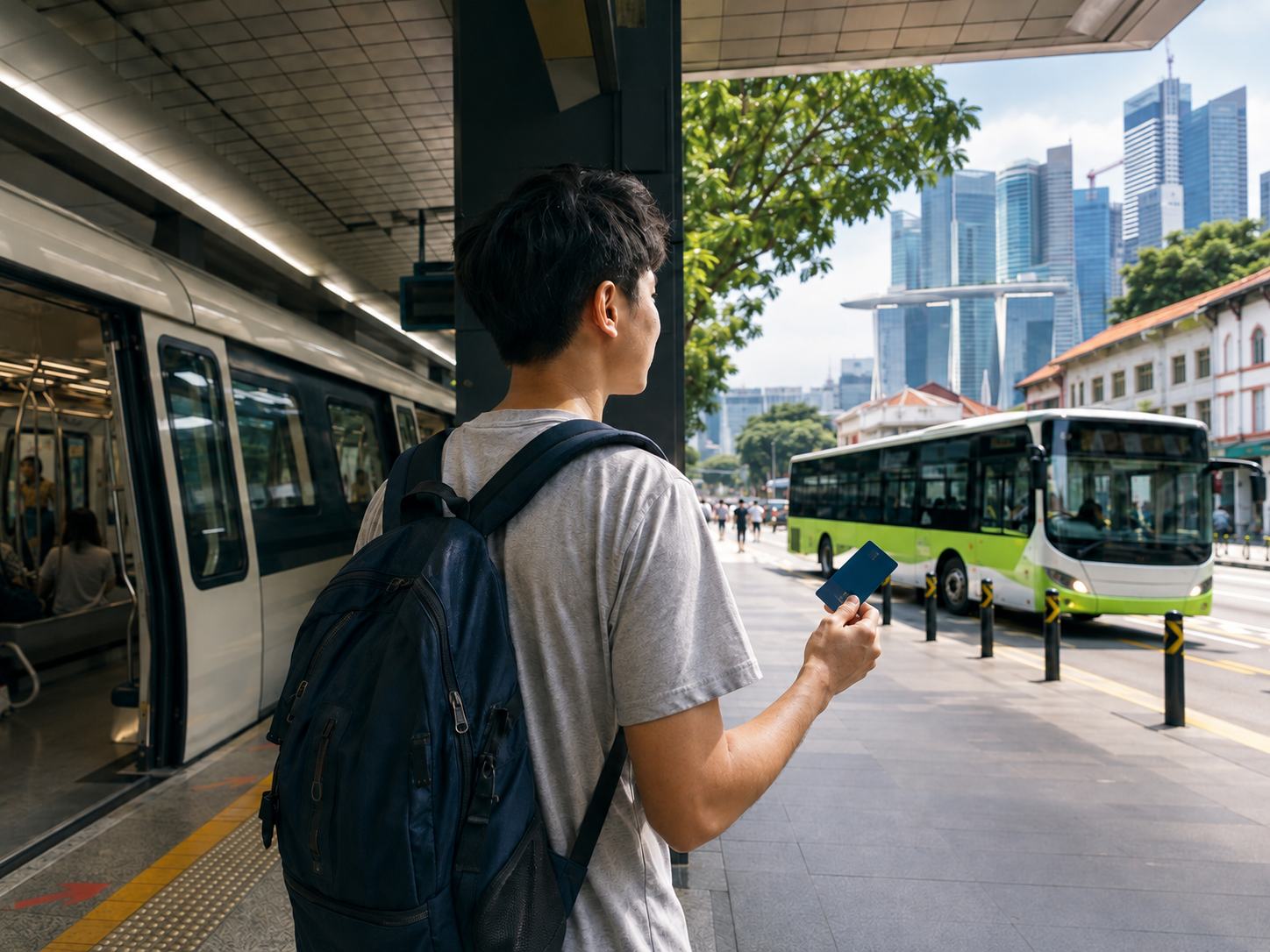
Singapore is a hyper-connected city-state where digital infrastructure is as critical as physical infrastructure. For the modern backpacker, this is both a challenge and a blessing. You can navigate the city, order food, and pay for transport all with a smartphone. However, without a local data connection or the right financial tools, you can bleed money through international roaming and forex fees. Here is how to equip your digital wallet and device for the Lion City.
The eSIM Revolution: No More Physical SIM Cards
Gone are the days of hunting for a SIM card booth at Changi Airport and waiting in line with your passport. The most efficient way to get data in Singapore is via an eSIM. If your phone is unlocked and supports eSIM technology (most modern iPhones and Androids do), you can purchase a data plan before you even board your flight.
Providers like Airalo, Holafly, and local telcos (Singtel, StarHub) offer eSIM plans specifically for tourists. The pricing is competitive, but be wary of “unlimited” plans that throttle speed after a certain data cap. A 10GB plan for 30 days usually costs around $15-20 USD. The advantage is immense: you land, turn on the eSIM, and you are instantly connected for maps, booking rides, and translating menus.
The Free Wi-Fi Safety Net
If you are on an ultra-strict budget and want to avoid spending any money on data, Singapore offers a robust network of free Wi-Fi. The Wireless@SGx network is a government initiative that provides free public Wi-Fi in high-traffic areas, including MRT stations, public libraries, community centers, and even some hawker centers.
To use Wireless@SGx, you need to register with a foreign mobile number. It is generally reliable for basic messaging and browsing, though speeds can vary during peak hours. As a safety net, every major shopping mall, Starbucks, and McDonald’s offers free Wi-Fi, though you often need to make a purchase for the password.
The Death of Cash? Not Quite.
Singapore is aggressively moving toward a cashless society, but unlike other countries where cash is king, here plastic and QR codes rule. If you rely on your physical credit card, you will incur foreign transaction fees (typically 2.5-3.5%) on every single purchase.
This is where multi-currency travel cards like Wise, Revolut, or YouTrip become essential backpacking gear. These cards allow you to load money in your home currency and convert it to Singapore Dollars (SGD) at the real mid-market exchange rate with minimal fees.
- YouTrip is popular in Singapore because it offers zero transaction fees and you can use it as a Mastercard anywhere.
- Wise is excellent because you can hold a balance in SGD and spend it directly.
According to the Monetary Authority of Singapore (MAS), the e-payment infrastructure is designed to be interoperable, meaning your Visa or Mastercard should work seamlessly across the island (https://www.mas.gov.sg/development/e-payments). You can link these cards to Apple Pay or Google Pay, allowing you to tap in and out of the MRT using your phone—no need to even buy an EZ-Link card if your travel card has no foreign transaction fees.
The “Small Change” Problem
While cards are accepted almost everywhere, there is one crucial exception: the hawker centres. While many stalls now accept QR code payments (like PayNow or GrabPay), these often require a local bank account or a specific regional app that a foreigner cannot easily access.
Therefore, you must always carry a small amount of cash (SGD). Keep a stash of $2, $5, and $10 notes for hawker meals. Avoid using your travel card to withdraw cash from ATMs too often, as even with fee-free cards, the local ATM operator may charge a fee of $5-8 SGD per withdrawal. It is better to withdraw a larger sum (e.g., $100) once at a bank ATM to minimize the impact of these operator fees.