Production Technology Is Redefining Studio Economics
Animation has traditionally required large teams and long production schedules. New technologies are changing that model by automating repetitive processes, improving remote collaboration, and allowing artists to review creative decisions earlier.
For Singapore, these developments are commercially important. The country faces higher operating costs than several neighboring production locations, making efficiency essential.
Real-time engines, virtual cameras, cloud rendering, automated asset management, and artificial intelligence-assisted tools can help local studios increase output without competing only through lower wages.
Real-Time Workflows Improve Creative Control
Traditional animation pipelines often require artists to wait for rendering before evaluating lighting, movement, or camera decisions. Real-time production allows teams to preview scenes more quickly and make changes while creative discussions are still taking place.
These tools can be used for animated series, virtual production, interactive experiences, games, advertising, and immersive media. Reusable digital environments and character assets can also support several formats at once.
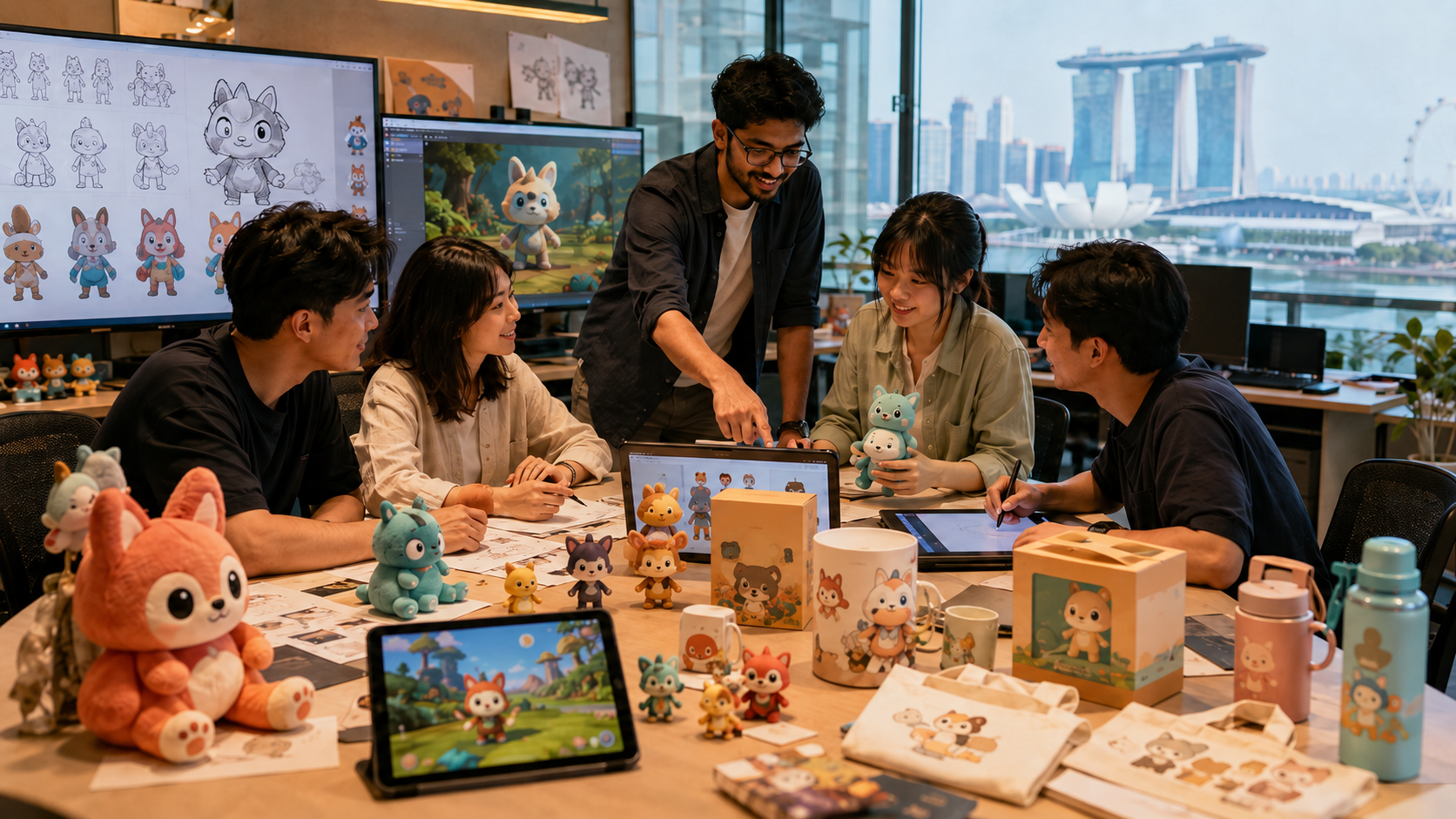
For example, the same character model might appear in a television episode, mobile application, branded short video, educational experience, or virtual event. This flexibility improves the commercial value of intellectual property.
Artificial Intelligence Brings Opportunity and Risk
AI-assisted systems may help with lip synchronization, background development, motion processing, translation, scheduling, and quality control. They can reduce time spent on technical tasks and allow artists to focus on performance, design, and storytelling.
However, the industry must address significant ethical and legal concerns. Training data may include copyrighted images or performances. Confidential production materials may be exposed when uploaded to external systems. Artists may also face pressure when automation is introduced without transparent employment policies.
Singapore studios can build trust by creating internal rules on approved tools, data protection, attribution, consent, and human review. AI should support professional creativity rather than conceal the unauthorized use of another creator’s work.
Talent Must Develop Across Creative and Technical Roles
Technology alone cannot create successful animation. Studios still need strong directors, writers, production designers, character animators, technical artists, editors, producers, and intellectual property managers.
The official Skills Framework for Media provides information on media roles, skills, and career development within Singapore’s workforce system.
A major industry priority is reducing the gap between education and professional production. Graduates may understand software but lack experience with deadlines, revisions, team communication, or international client expectations.
Internships, mentorship programs, studio-led training, and collaborative student productions can help emerging artists adapt to real production environments.
Regional Collaboration Expands Singapore’s Capacity
Singapore does not need to perform every production task domestically. A more sustainable model may combine creative leadership and technical supervision in Singapore with distributed production teams across Southeast Asia.
Cloud-based pipelines allow artists in different countries to work within shared systems. This approach gives Singapore studios access to a wider talent pool while providing regional artists with international production experience.
The model succeeds only when studios maintain clear quality standards, fair contracts, secure data systems, and effective communication.
Creativity Remains the Deciding Factor
Production tools are becoming more accessible worldwide, which means technical capability alone will not guarantee competitive advantage. Audiences respond to memorable characters, emotional storytelling, visual identity, and consistent entertainment value.
Singapore’s strongest position lies at the intersection of creative direction, technological management, and international business. Studios that invest equally in people and production systems will be better prepared for the next generation of global animation.