Changing Consumer Expectations Reshape Singapore’s Restaurant Landscape
Singapore’s restaurant industry is entering a new phase where consumer expectations are becoming more complex. Customers are no longer choosing restaurants only based on taste, location, or price. They increasingly consider sustainability, authenticity, health benefits, and overall dining experiences.
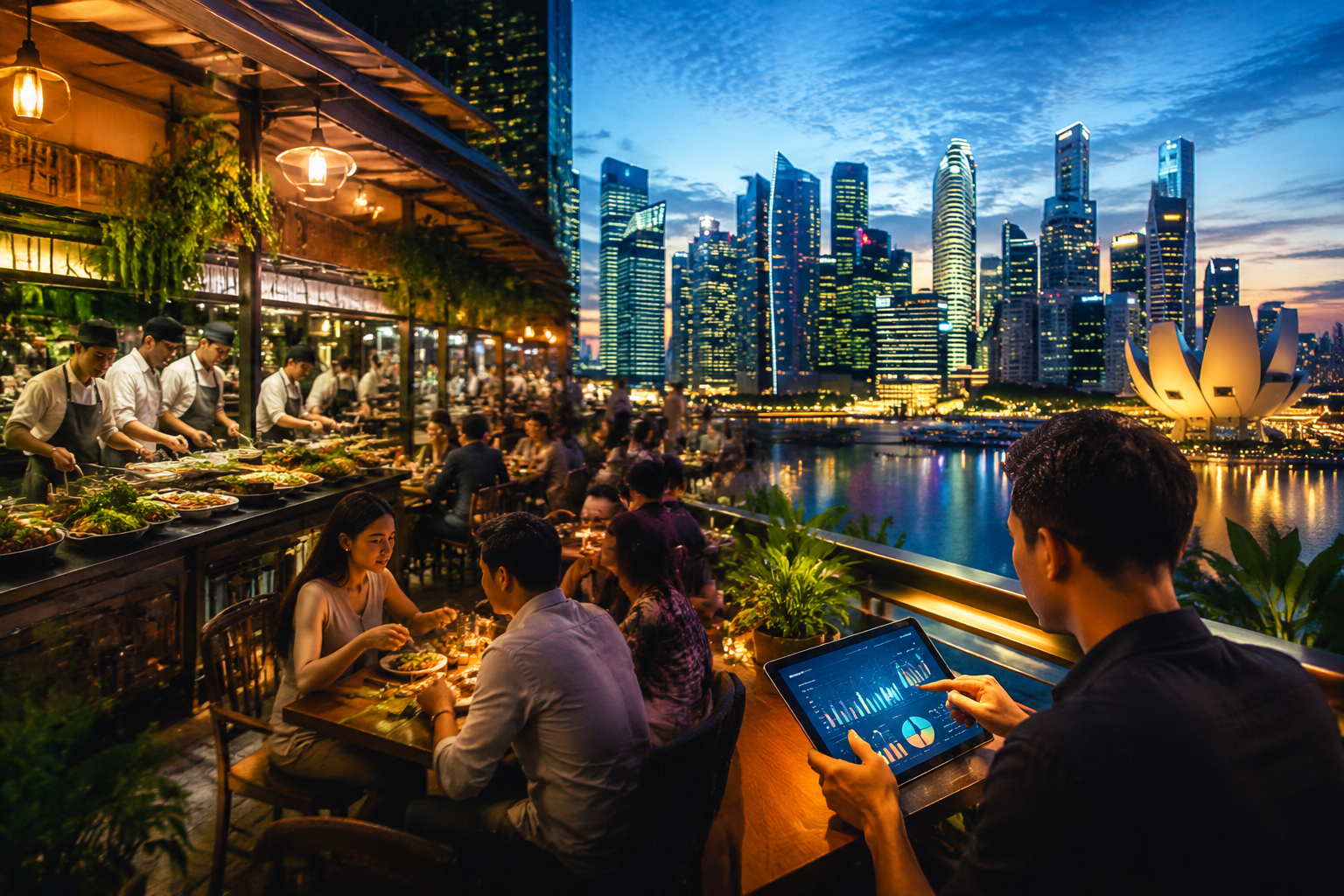
In 2026, restaurant operators must understand that customer decisions are influenced by lifestyle values and digital information.
Reviews, social media visibility, environmental commitments, and brand reputation now play major roles in restaurant success.
Sustainability Becomes a Competitive Business Strategy
Green Practices Influence Customer Decisions
Sustainability has moved from being a marketing trend into a serious operational strategy.
Singapore restaurants are adopting environmentally responsible practices such as:
- Reducing food waste
- Using sustainable packaging
- Improving energy efficiency
- Supporting local suppliers
- Offering plant-based alternatives
Government initiatives such as the Singapore Green Plan 2030 encourage businesses to adopt sustainable practices across industries.
Source: https://www.greenplan.gov.sg/
Restaurants that successfully integrate sustainability into their operations often gain stronger brand recognition among environmentally conscious customers.
Premium Dining Continues to Grow Through Differentiation
Customers Seek Unique Culinary Experiences
Although affordability remains important, premium dining continues attracting customers who value exclusivity and memorable experiences.
High-end restaurants compete through:
- Michelin recognition
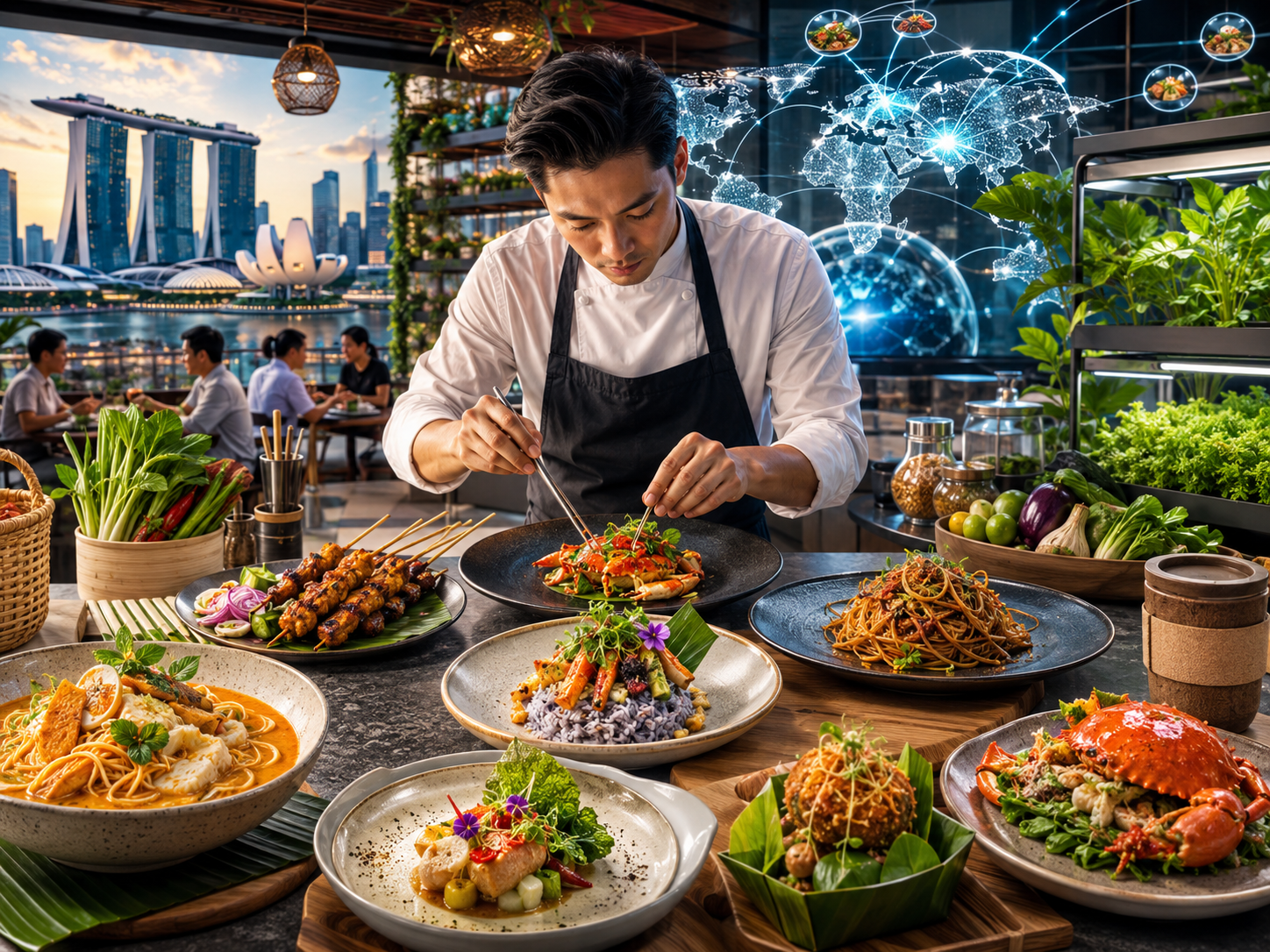
- Creative menus
- International chefs
- Personalized services
- Exclusive dining environments
Singapore’s position as a regional business and tourism hub creates opportunities for premium restaurants targeting both local consumers and international visitors.
Social Media Changes Restaurant Marketing Strategies
Digital Visibility Determines Customer Attraction
Restaurants now depend heavily on online platforms to build awareness.
Successful digital strategies include:
- Short-form video marketing
- Influencer partnerships
- Customer-generated content
- Online reputation management
A visually attractive dish or unique restaurant concept can quickly gain popularity through social media exposure.
This creates opportunities for small restaurants to compete with larger brands by building strong online communities.
Balancing Affordability and Premium Positioning
One of the biggest challenges for Singapore restaurants is finding the right market position.
Businesses must decide whether to compete through:
- Affordable everyday dining
- Mid-range lifestyle concepts
- Premium culinary experiences
Each segment requires different strategies.
Affordable restaurants focus on efficiency and volume, while premium establishments prioritize exclusivity and customer relationships.
Strategic Outlook for Singapore Restaurant Growth
The future of Singapore’s restaurant industry will depend on how effectively businesses respond to changing customer values.
Restaurants that combine sustainability, innovation, and strong branding will have better opportunities to remain competitive.
The market is becoming more demanding, but it also creates opportunities for creative entrepreneurs who understand modern consumer expectations.