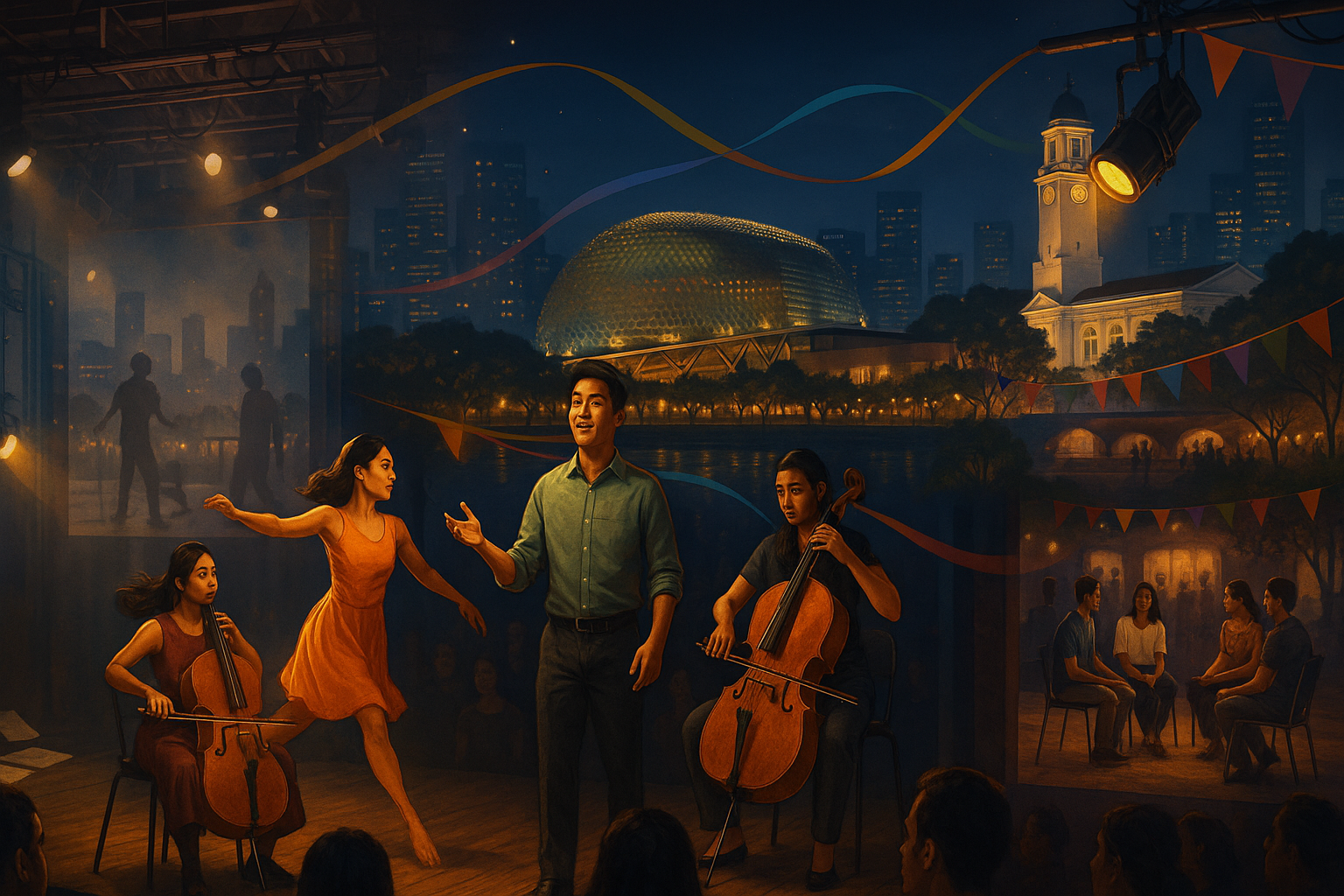
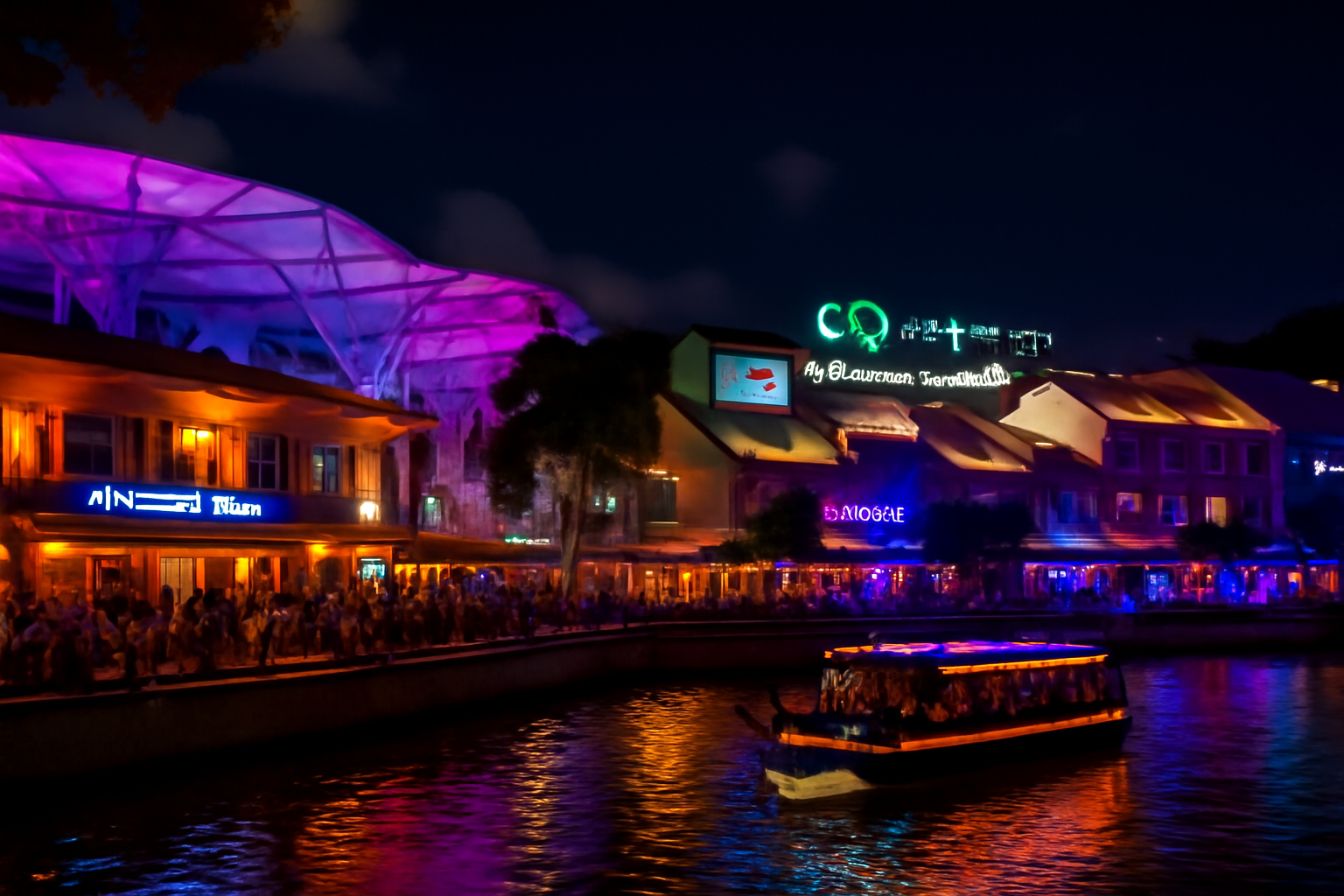
Singapore’s entertainment industry has grown into a multifaceted sector with significant influence on both the local and international stages. With its vibrant cultural diversity and flourishing creative economy, Singapore’s film and music industries are integral to its cultural identity. Over the years, these industries have undergone a transformation, with local talent gaining global recognition, government support fostering growth, and new technological advancements reshaping how entertainment is consumed and produced.
Singapore’s Film Industry: A Tale of Transformation
The film industry in Singapore began its journey in the 20th century with Malay and Chinese-language films. Throughout the mid-1900s, the industry produced several commercially successful films, but it wasn’t until the 1990s that the Singaporean film scene began to gain international recognition. Directors like Eric Khoo were at the forefront of this transformation, creating films that showcased the gritty realism and emotional depth of Singapore’s multicultural society.
Khoo’s breakthrough film, “12 Storeys,” which explored the lives of ordinary Singaporeans, garnered international acclaim and put Singapore on the map as a place for innovative and bold filmmaking. As the industry grew, so did the government’s involvement, with the creation of initiatives that supported local filmmakers with financial grants and resources. The Singaporean Film Commission (SFC), later rebranded as the Infocomm Media Development Authority (IMDA), has been instrumental in providing a conducive environment for the development of the local film industry.
Film festivals like the Singapore International Film Festival (SGIFF) and the Asia TV Forum & Market (ATF) offer an avenue for local filmmakers to showcase their works globally. The presence of such platforms also facilitates collaboration with international filmmakers, allowing Singaporean cinema to continue expanding its reach across the world.
A Thriving Music Scene
Singapore’s music scene has experienced a similar evolution, blending diverse influences from its multi-ethnic society to create a unique musical identity. While local music began with traditional forms such as Chinese opera, Malay folk music, and Indian classical music, it eventually embraced Western influences, especially in pop and jazz.
The rise of Singaporean pop artists such as Stefanie Sun, JJ Lin, and Tanya Chua in the 2000s marked a significant milestone in the development of the music scene. These artists were able to carve out successful careers in the regional music markets, with many reaching international audiences across Asia. JJ Lin, for example, has become a global name in Mandarin pop music, and his success has helped inspire a new generation of Singaporean musicians.
Alongside pop, Singapore also boasts a vibrant classical and jazz scene. The Singapore Symphony Orchestra has become one of the most respected orchestras in Asia, and events like the Singapore International Jazz Festival continue to attract world-class musicians and audiences. The growth of live music venues, both big and small, offers a platform for emerging indie artists to showcase their talent, and festivals like Baybeats and Singapore Music Week highlight the diversity of the local music scene.
The Integration of Film and Music
In recent years, there has been a growing integration between Singapore’s film and music industries. Both sectors frequently collaborate on projects that combine visual storytelling with music, enhancing the cultural impact of their work. Music videos, for example, often resemble short films, offering a compelling combination of visual artistry and musical expression. Furthermore, original scores from local musicians are integral to the success of films produced in Singapore.
The advent of digital streaming platforms such as Netflix, YouTube, and Spotify has opened new doors for both the film and music industries. These platforms allow local filmmakers and musicians to reach a global audience and gain recognition beyond Singapore’s borders. The digital age has brought new opportunities for Singapore’s creative talent to thrive, both locally and internationally.
A Bright Future for Singapore’s Entertainment Industry
The future of Singapore’s entertainment industry looks promising. Both the film and music sectors are poised for further growth, bolstered by government support, a thriving local talent pool, and increasing opportunities for international collaboration. With the continued convergence of technology, art, and innovation, Singapore is well-positioned to continue its rise as a global hub for entertainment, creativity, and culture.