Singapore’s cultural events are not just seasonal celebrations. They are living expressions of identity, faith, memory, and community that shape how people interact with the city throughout the year.
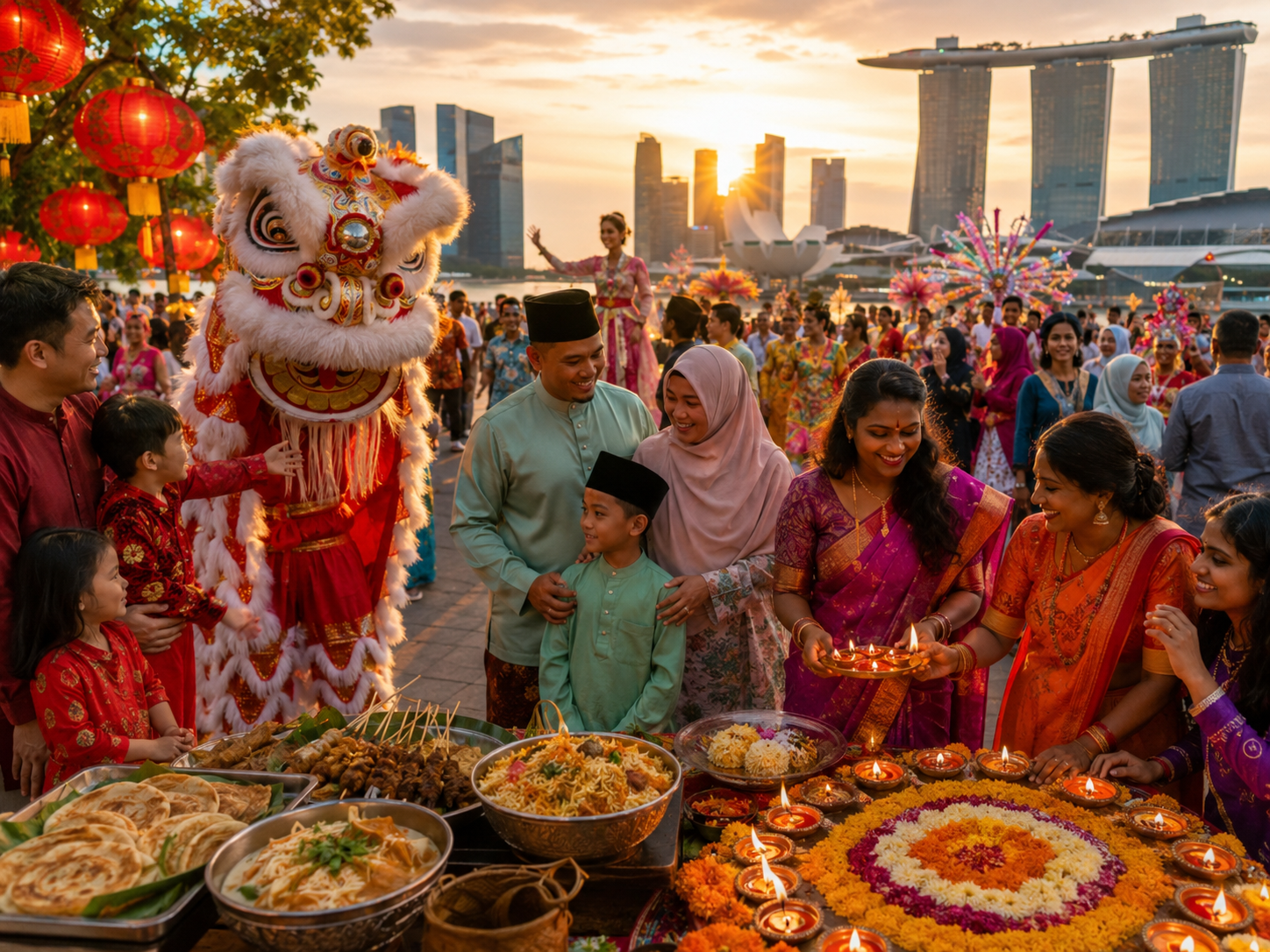
What makes Singapore unique is not only the number of cultures present, but how visibly they coexist in shared spaces. Within a short distance, you can move from a Chinese temple celebration in Chinatown to a Hindu festival in Little India, and then to a Malay cultural bazaar in Geylang Serai.
This proximity creates something rare: cultural diversity that is not hidden, but part of daily urban life.
For official cultural background and heritage context, these resources are useful:
Why cultural events in Singapore feel different
In many countries, festivals are limited to specific communities or private spaces. In Singapore, many cultural celebrations take place in public districts that are open to everyone.
This means visitors don’t just “observe” culture—they encounter it in motion:
- Streets are decorated and transformed into themed spaces
- Temporary markets and food stalls appear in neighborhoods
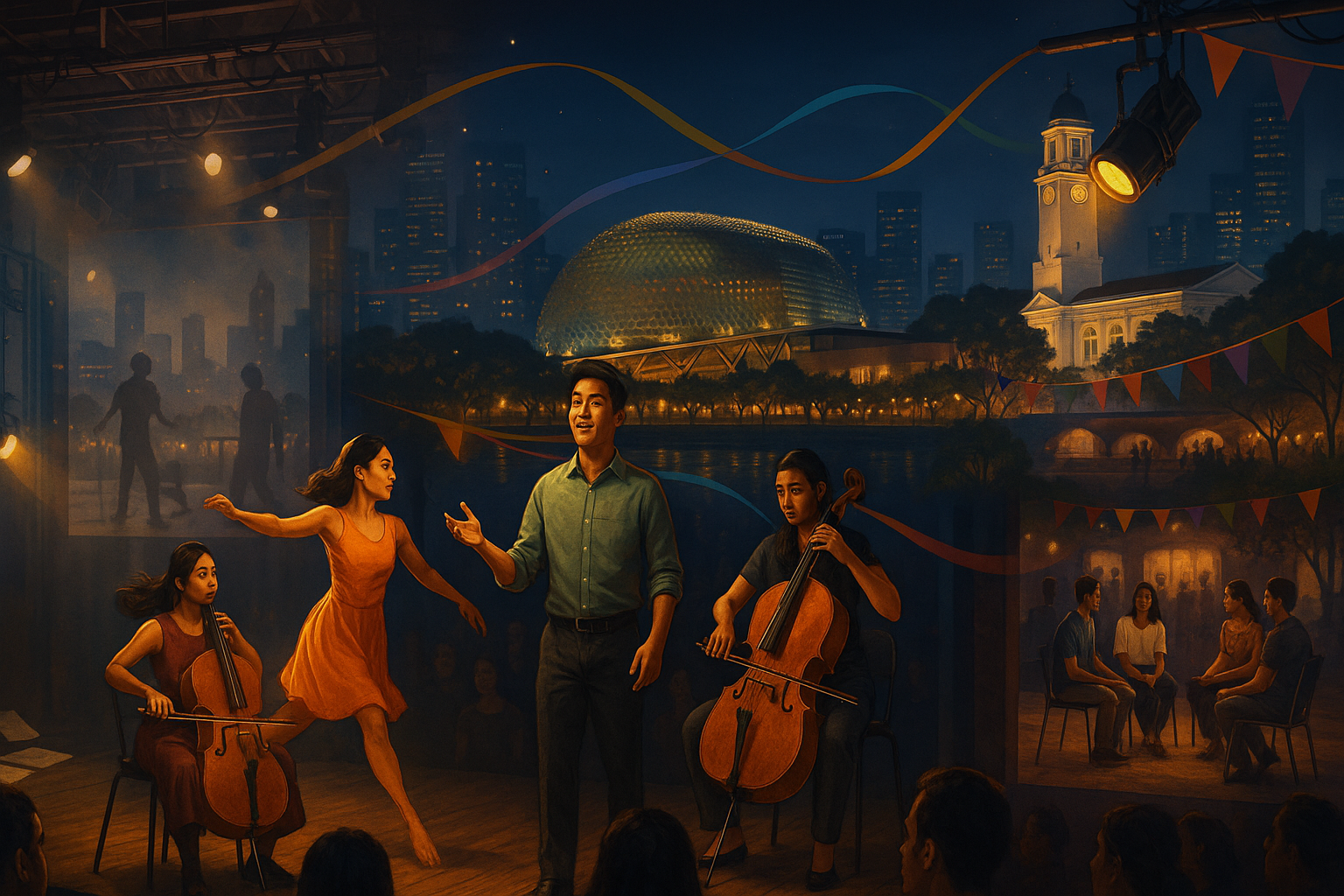
- Public performances happen in open plazas and malls
- Temples and religious sites remain active while welcoming respectful visitors
For example, during Deepavali, Serangoon Road in Little India becomes a corridor of light installations, music, and flower garlands. During Chinese New Year, Chinatown’s night market extends across multiple streets, blending traditional food, crafts, and modern entertainment.
Deep meaning behind major cultural celebrations
Understanding meaning changes how you experience each festival.
Chinese New Year
Beyond red decorations and lion dances, Chinese New Year is rooted in themes of renewal, prosperity, and family unity. Homes are cleaned thoroughly before the new year as a symbolic “fresh start.” Visiting family elders is a key tradition, often accompanied by gift-giving and shared meals.
In public spaces, decorations are designed not only for aesthetics but also for symbolic meaning—red for luck, gold for wealth, and lanterns for prosperity.
Hari Raya Aidilfitri
Hari Raya marks the end of Ramadan, a month of fasting and spiritual reflection. The celebration emphasizes forgiveness, gratitude, and reconnecting with family and friends.
In Singapore, Geylang Serai becomes a cultural focal point. The bazaar is not just a marketplace but a continuation of tradition where food, clothing, and crafts reflect Malay heritage.
Deepavali
Deepavali symbolizes the victory of light over darkness and good over evil. The lighting of oil lamps (diyas) represents spiritual enlightenment.
Little India’s transformation during this period is both visual and symbolic—lights represent hope, while traditional sweets and clothing reflect cultural continuity.
Thaipusam
Thaipusam is one of the most intense devotional events in Singapore. Participants demonstrate faith through physical endurance, often carrying kavadis as offerings.
This is not a performance but a deeply personal religious act. Visitors should maintain distance, remain quiet, and avoid intrusive photography.
Vesak Day
Vesak Day is a time of reflection in Buddhist communities. Temples hold ceremonies involving chanting, candle lighting, and acts of compassion such as donations.
The atmosphere is calm and reflective, contrasting with more festive celebrations.
Mid-Autumn Festival
This festival focuses on reunion and harmony. Lantern displays symbolize hope and togetherness, while mooncakes are shared among family and friends.
Chinatown and Gardens by the Bay often host themed installations that combine tradition with modern design.
Where cultural life is most visible
Singapore’s cultural identity is strongly tied to physical neighborhoods:
- Chinatown: Chinese heritage, temples, food culture
- Little India: Hindu traditions, textiles, spices, festivals
- Geylang Serai: Malay-Muslim culture, Ramadan and Hari Raya celebrations
- Civic District: National Day and arts events
Each district functions as both a cultural and social space, not just a tourist attraction.
Experiencing culture beyond observation
A deeper experience often comes from small interactions:
- Conversations with food vendors explaining traditional dishes
- Local families preparing for festivals
- Community performances in malls or public squares
- Religious rituals observed quietly in temples
These everyday moments often reflect more cultural depth than major staged events.