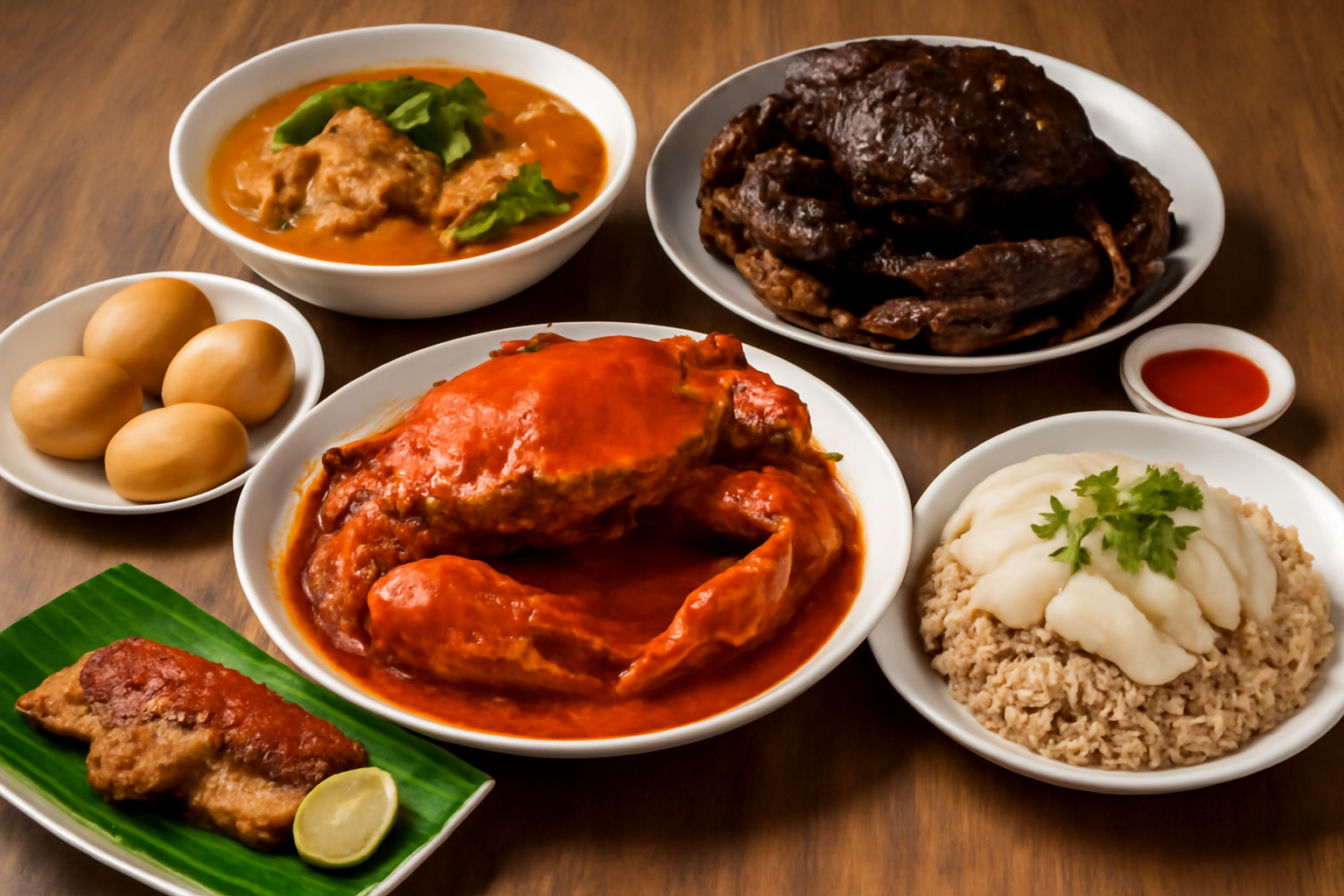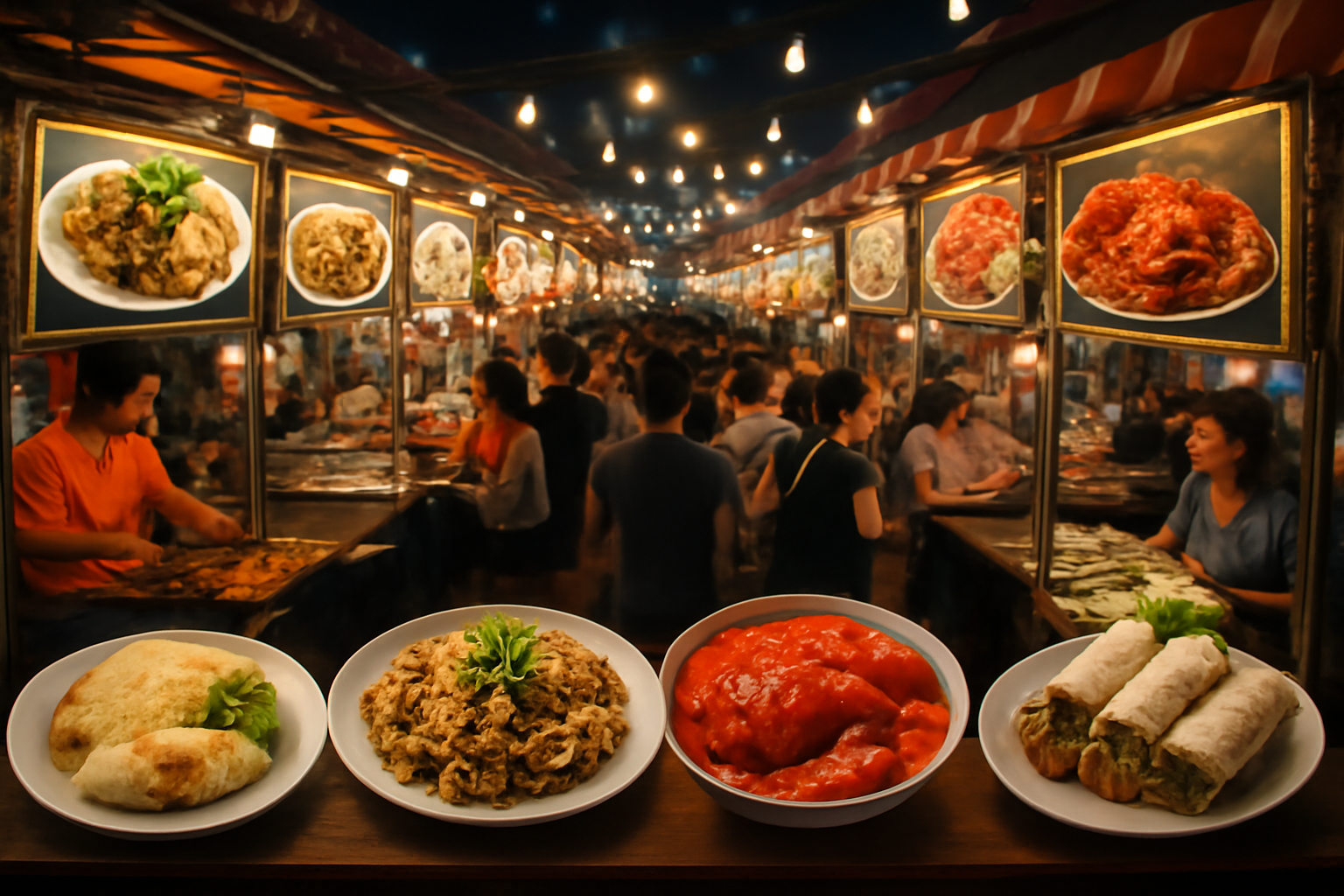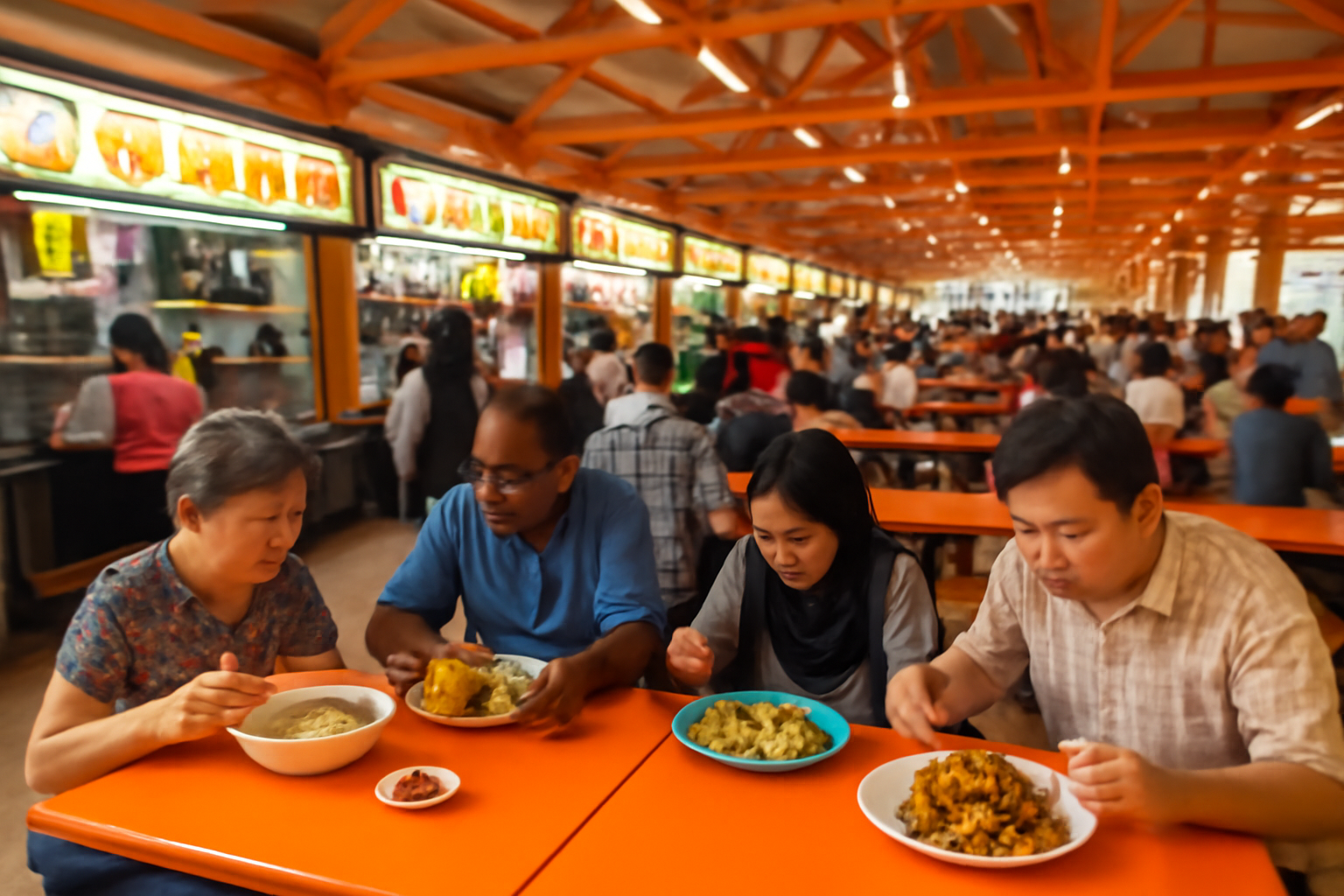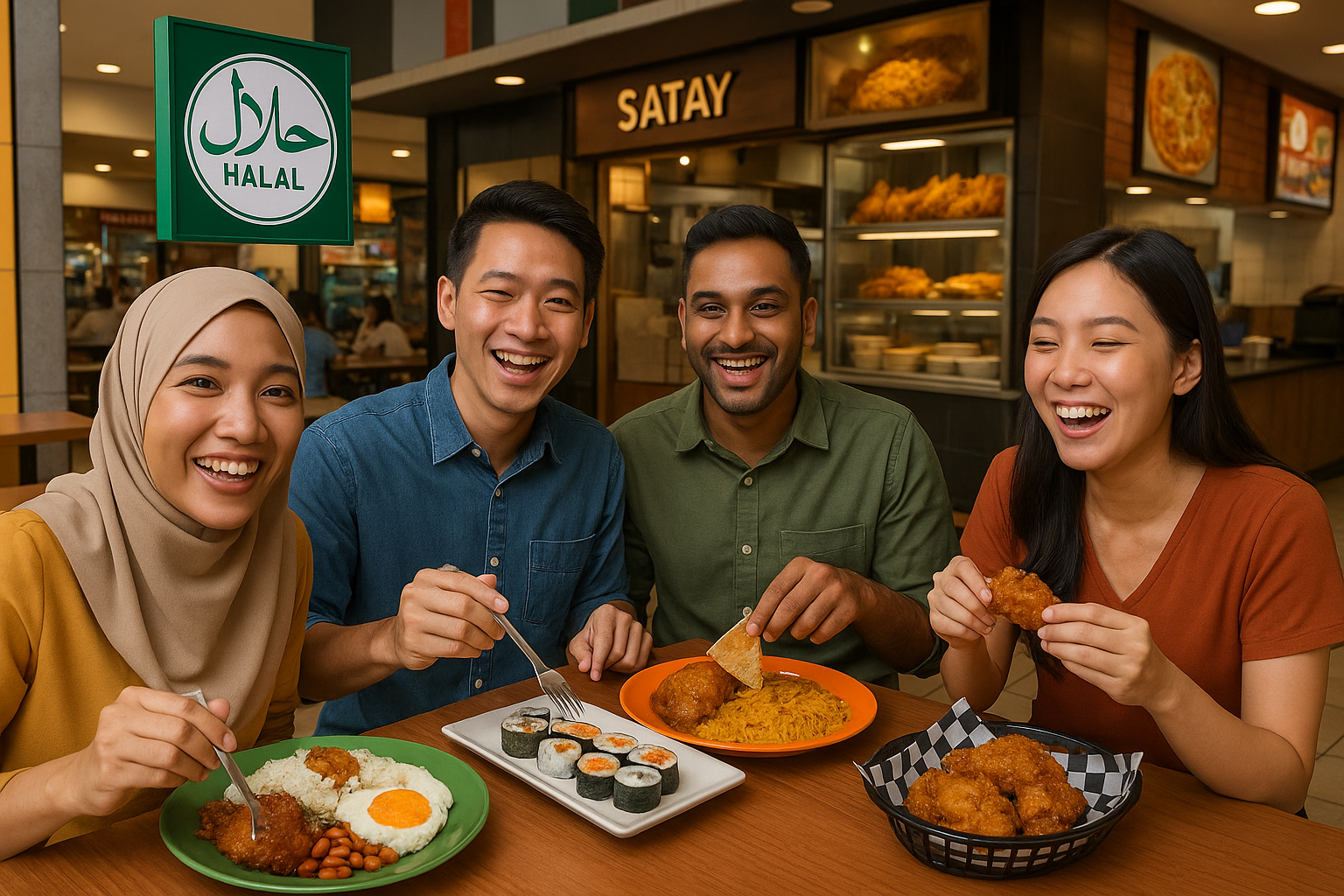
Halal food in Singapore is no longer limited to traditional dishes or basic fast food. In recent years, the scene has evolved to embrace contemporary café culture, health-conscious menus, and global culinary trends. This evolution benefits not only Muslim diners but anyone looking for tasty, thoughtfully prepared meals at different price points.
One noticeable trend is the rise of modern halal cafés and bistros. These venues often feature stylish interiors, Instagram-friendly plating, and creative fusion dishes. Think of spicy aglio olio topped with grilled satay, Korean-inspired chicken burgers with gochujang sauces, or decadent lava cakes paired with specialty coffee. Many of these cafés are located in neighborhoods like Kampong Glam, Joo Chiat, or in suburban malls, attracting students, young professionals, and families who want a relaxed environment to socialize.
Healthy eating has also entered the halal conversation. Some halal-certified outlets now offer salads, grain bowls, grilled proteins, and lower-sugar beverages. These places cater to office workers watching their diet, gym-goers, and anyone interested in more balanced meals. Plant-based and vegetarian halal options are gaining traction as well, using ingredients like tempeh, tofu, and meat substitutes to create satisfying dishes without animal meat. This responds to both ethical concerns and the desire for lighter, nutrient-rich food.
Food delivery platforms have changed how people access halal meals. During busy workdays or rainy evenings, many residents prefer to order in rather than eat out. Halal-certified restaurants and hawker stalls have adapted by listing their menus on delivery apps, making it possible for customers from different neighborhoods and income levels to enjoy a wider variety of dishes. Promotional discounts, combo meals, and shared platters also help keep prices manageable for families and groups.
Another interesting development is the presence of halal social enterprises and community-oriented businesses. Some cafés and catering companies combine halal menus with social goals, such as employing marginalized groups or donating a portion of profits to charity. These enterprises often attract conscious consumers who want their spending to support meaningful causes. The combination of halal compliance and social impact makes such businesses attractive to a broad audience.
Inclusivity is a recurring theme in Singapore’s halal scene. Mixed groups of friends—Muslim and non-Muslim—frequently choose halal venues so everyone can dine together. Restaurant owners recognize this and design menus that appeal to diverse tastes: spicy Southeast Asian dishes, milder Western comfort food, and kid-friendly options coexist on the same list. The ambiance is usually informal and welcoming, emphasizing shared enjoyment rather than strict formality.
From a regulatory perspective, MUIS continues to play a key role in maintaining trust. As new concepts such as artisanal bakeries, craft beverage bars (without alcohol), and specialty dessert shops emerge, many seek halal certification to reach a wider customer base. The certification process ensures that even as menus become more experimental, they still meet established religious standards. Diners can enjoy novelty and variety without sacrificing confidence in the food’s halal status.
In everyday life, these trends mean that halal food in Singapore is dynamic and future-oriented. Whether you crave classic nasi padang, a calorie-conscious grain bowl, or a beautifully plated brunch, there is likely a halal option somewhere in the city. This diversity demonstrates how halal dining has become a central, innovative part of Singapore’s broader food culture, accessible and appealing to people at every stage of life and from every segment of society.