Singapore, a city known for its dynamic and ever-evolving fashion scene, has seen a tremendous impact from social media platforms in shaping and redefining fashion trends. With platforms such as Instagram, TikTok, and YouTube driving the cultural conversation, social media has become an integral part of how new fashion trends are introduced, shared, and adopted by the masses in Singapore.
One of the most notable ways social media affects fashion trends is through the influence of fashion influencers. These influencers, many of whom have built substantial followings on platforms like Instagram, are not just showcasing personal styles—they are actively shaping trends. By curating their posts with carefully styled outfits and brand collaborations, influencers have the power to spark widespread adoption of specific trends. Their reach is vast, and their followers look to them for the latest in fashion inspiration. Influencers often introduce new styles or update traditional looks, driving the creation of entire fashion movements in the process.
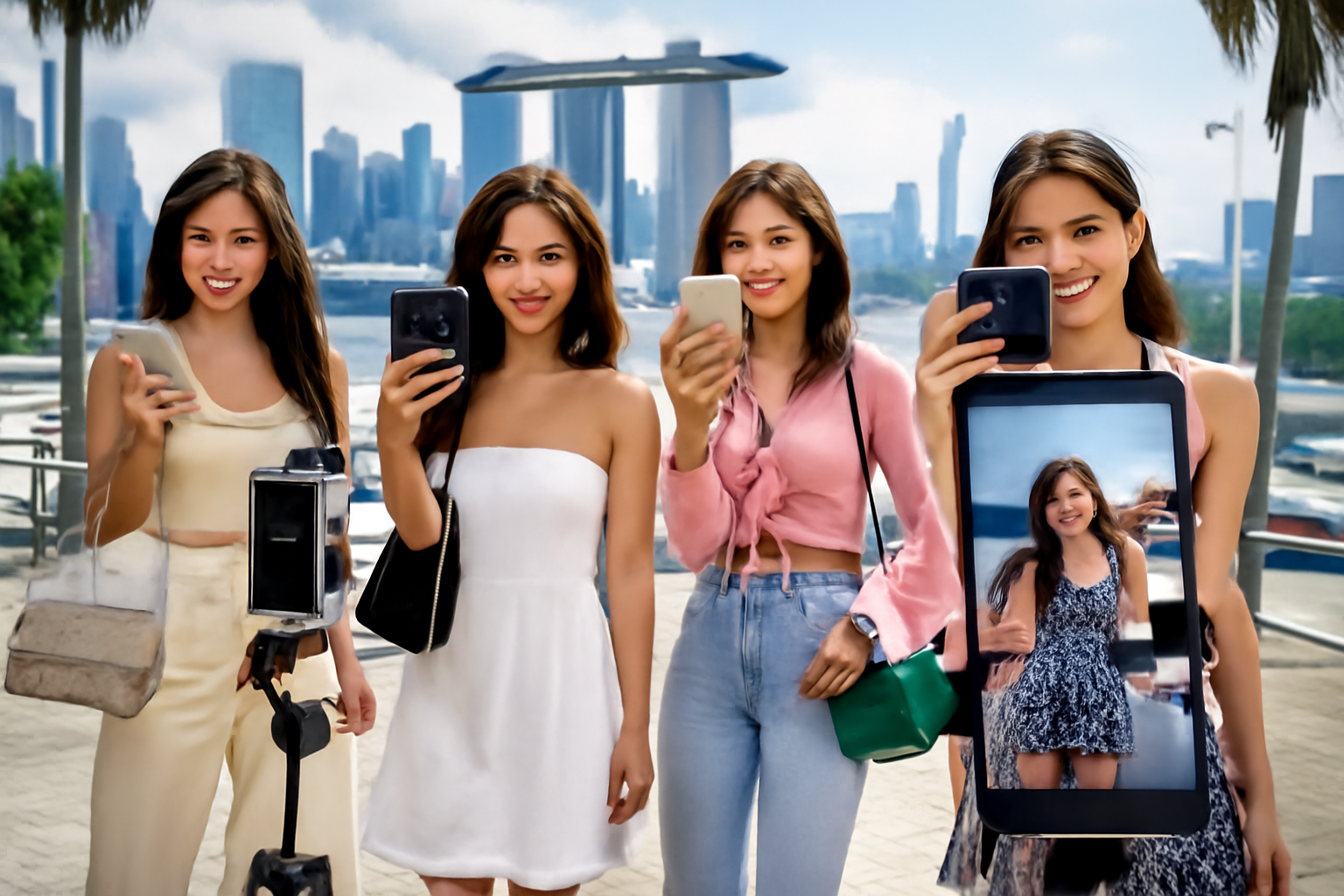
Instagram, as a visually focused platform, is an ideal space for fashion brands and influencers to share their outfits, promoting new collections or popularizing certain styles. Fashion brands based in Singapore, or those aiming to enter the Singaporean market, often use Instagram to showcase their latest releases. Hashtags like #OOTD (outfit of the day) have created a massive digital trend culture where people from all walks of life can share their outfits and discover what others are wearing, turning the platform into a virtual runway.
TikTok’s rapid growth in popularity has introduced a new way for fashion trends to gain traction. The platform’s ability to create viral challenges, whether it’s a specific dance trend or styling challenge, has influenced fashion across the globe. In Singapore, this has meant that TikTok has become a breeding ground for street fashion and DIY style innovations. TikTok videos offer fashion enthusiasts the chance to experiment with different looks and share styling tips with their followers, allowing trends to evolve quickly and creatively.
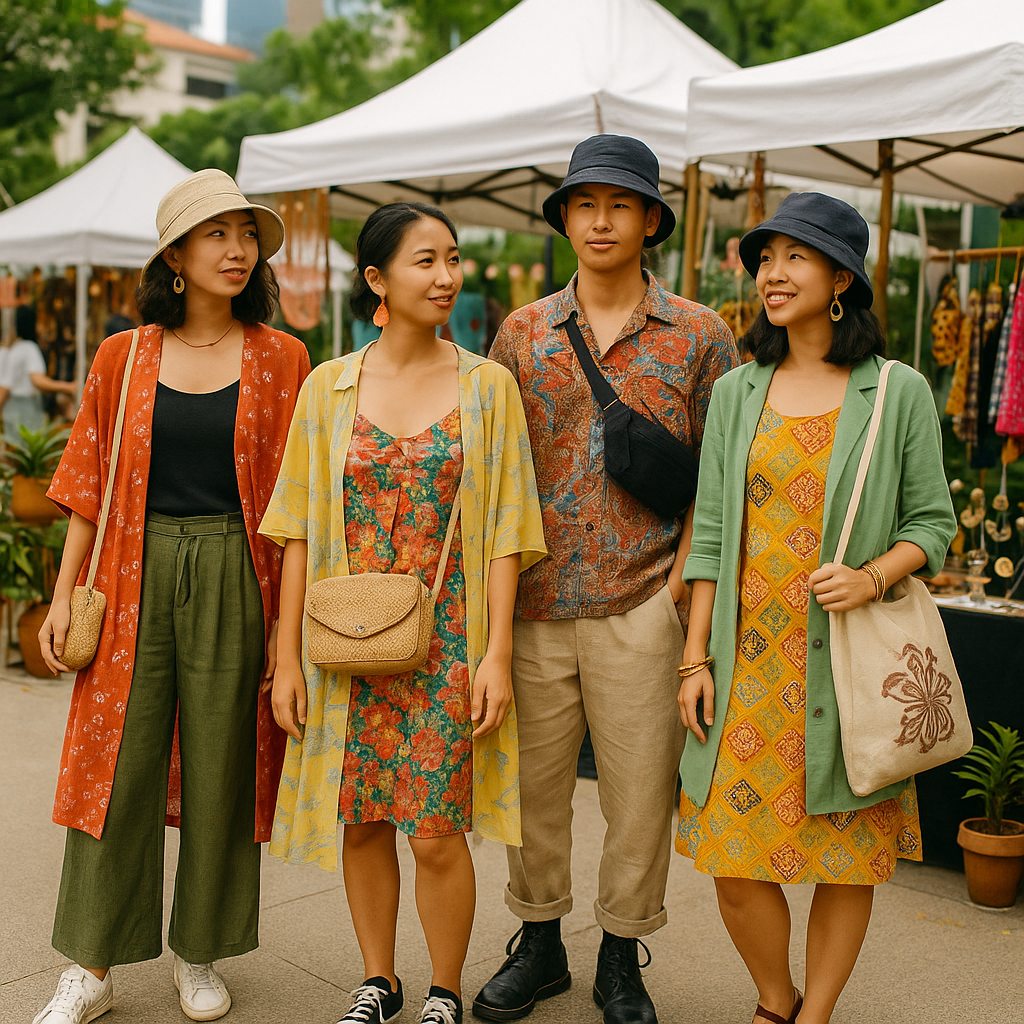
Social media platforms also have the power to democratize fashion. In the past, trends were often determined by high-end designers and traditional fashion shows. Today, anyone with a smartphone can influence what’s considered fashionable. This shift has resulted in a more diverse representation of fashion in Singapore, where different cultural influences and fashion preferences are celebrated. Social media platforms have allowed individuals of all backgrounds and sizes to share their unique take on style, encouraging a more inclusive fashion ecosystem.
The accessibility of fashion through social media also extends to local Singaporean designers. Many emerging designers use Instagram and TikTok to promote their collections, connect with customers, and build their brands. Social media provides these designers with a level playing field, allowing them to bypass traditional advertising methods and connect directly with consumers. This has led to a rise in the visibility of local fashion talent and an increase in demand for Singapore-based fashion labels.
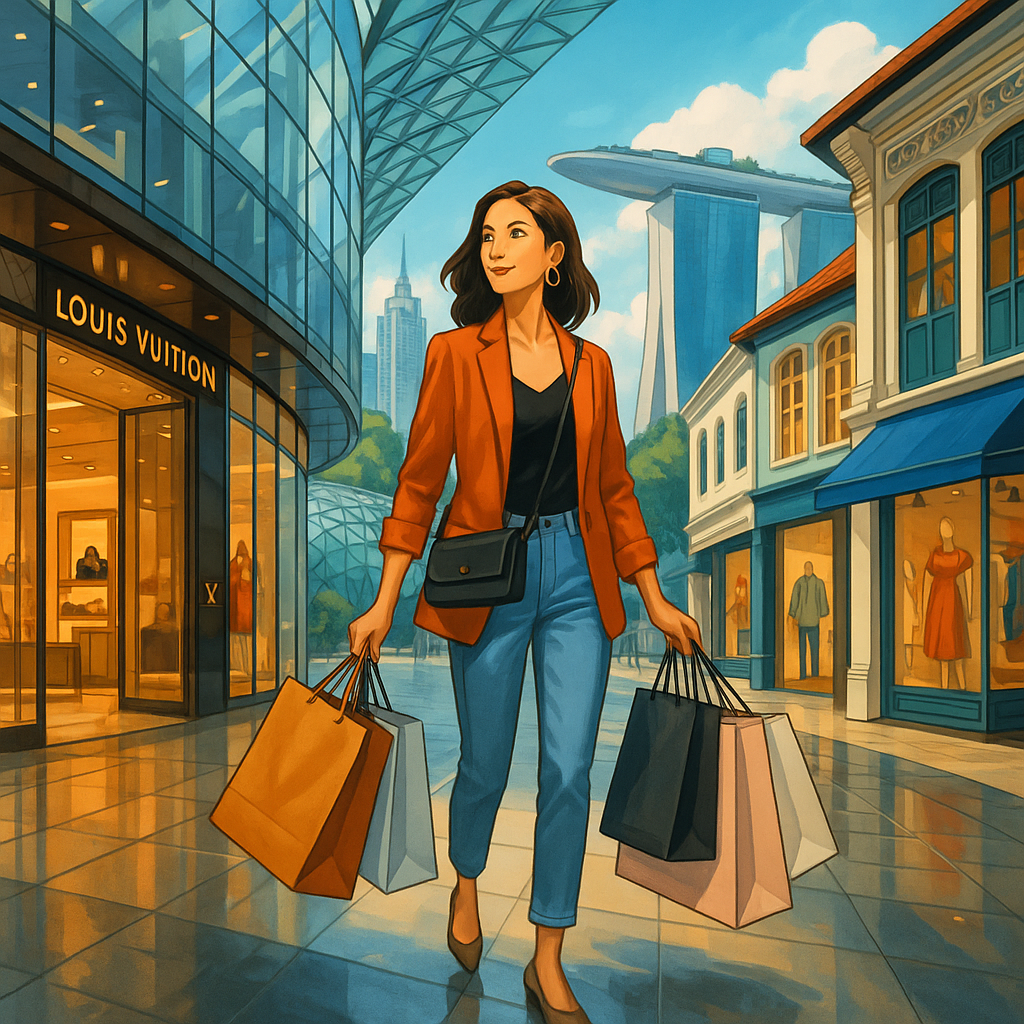
Social media has not only affected the types of fashion trends but also how fashion is consumed. The rise of online shopping, often facilitated by social media, has made it easier for Singaporeans to purchase the latest looks. Many fashion brands utilize platforms like Instagram to share product links directly within posts or stories, making shopping more integrated into the social media experience. This has created a seamless link between inspiration and purchase, allowing trends to move from the virtual world to the real world in record time.
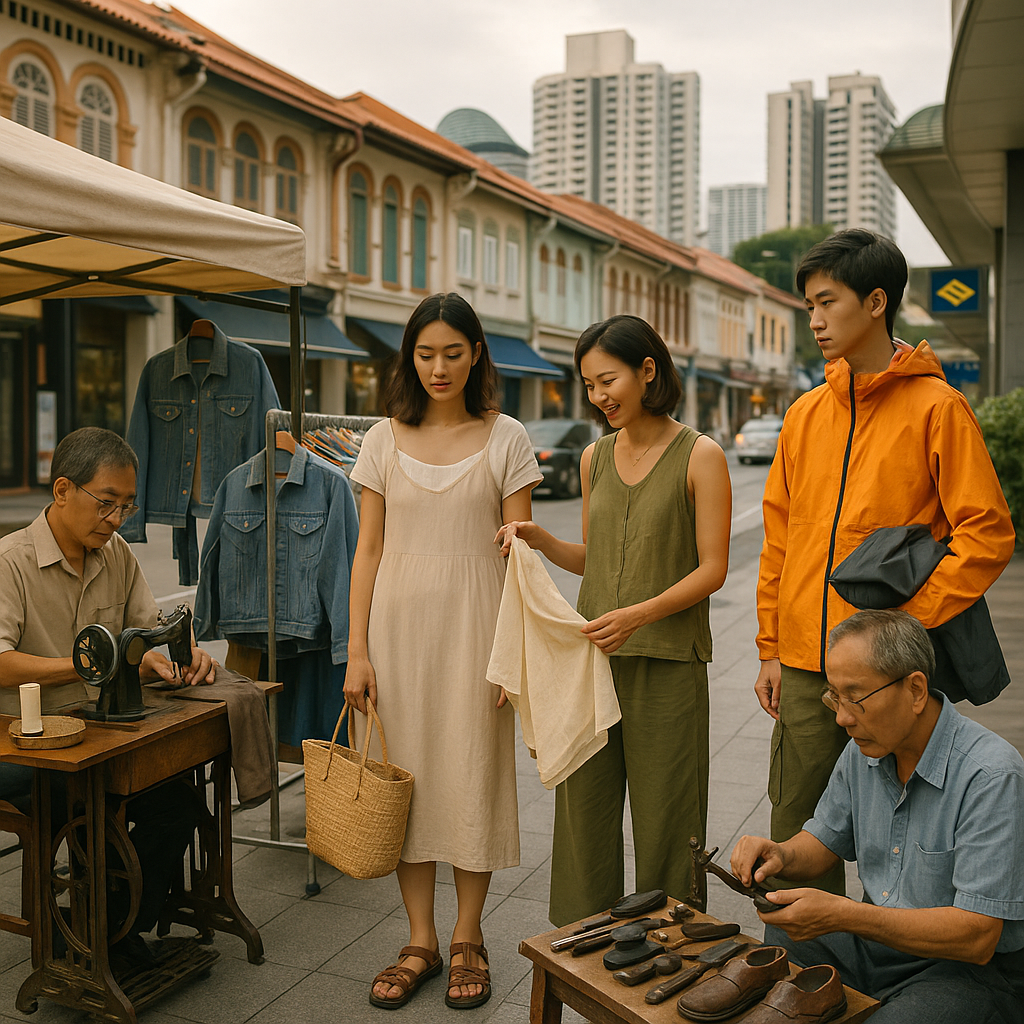
Lastly, social media is fostering a culture of sustainability within the fashion industry in Singapore. As awareness of environmental issues grows, influencers are using their platforms to promote sustainable fashion choices. This includes encouraging second-hand shopping, advocating for eco-friendly brands, and highlighting the importance of ethical production. Social media has become a powerful tool for promoting change in consumer behavior, making sustainability an important part of the conversation surrounding fashion.
In summary, social media has fundamentally altered the way fashion trends are created and shared in Singapore. With its ability to instantly connect people, showcase diverse styles, and promote inclusivity, social media is now a central player in the evolution of fashion trends in the city-state. As new platforms emerge and digital culture continues to shape consumer behavior, social media’s role in fashion will only grow, further solidifying its influence on the global fashion landscape.