What makes Singapore’s approach to sport and health distinctive is its insistence that everyone can be an “everyday athlete.” You don’t need race medals to claim the identity—just consistent, enjoyable movement built into your routine. The system is designed to meet people where they are and help them progress safely.
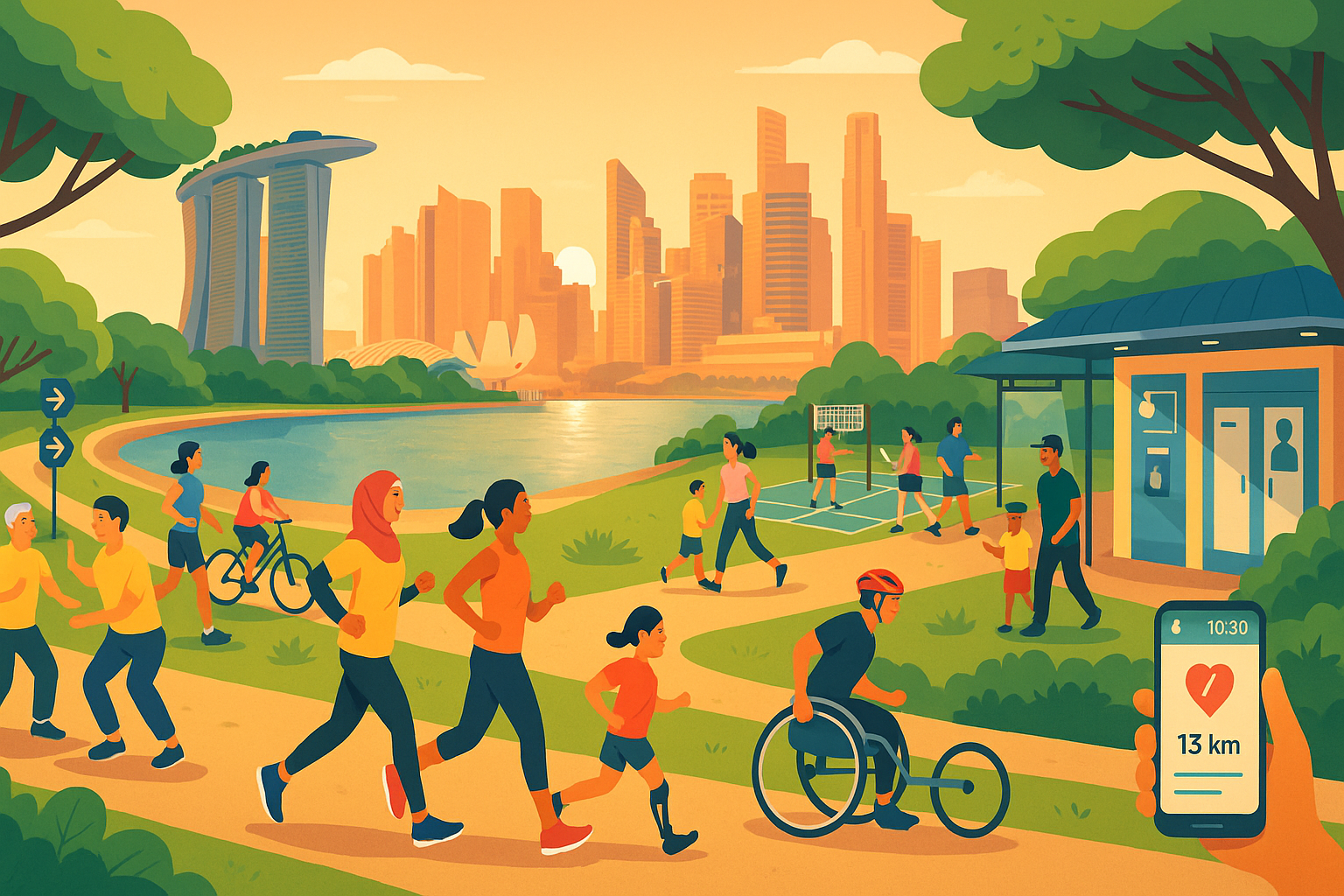
Consider accessibility. ActiveSG centres place pools, courts, and gyms near homes, making a 30-minute workout realistic between errands. The Park Connector Network shortens the gap between intention and action by offering shaded routes and clear signposting, which invite a brisk walk at lunch or a family cycle at sunset. Community clubs curate low-cost classes that cater to different abilities, from gentle mobility to high-intensity intervals.
Personalization is a quiet strength. Through assessments at Active Health touchpoints, residents can understand sleep patterns, mobility limitations, and cardio fitness, then receive tailored tips. Teachers, coaches, and allied health professionals reinforce technique—how to hinge, brace, breathe, and recover—reducing injury risk and building confidence. Progress is measured not solely in kilos or times but also in energy levels, focus at work, and mood stability.
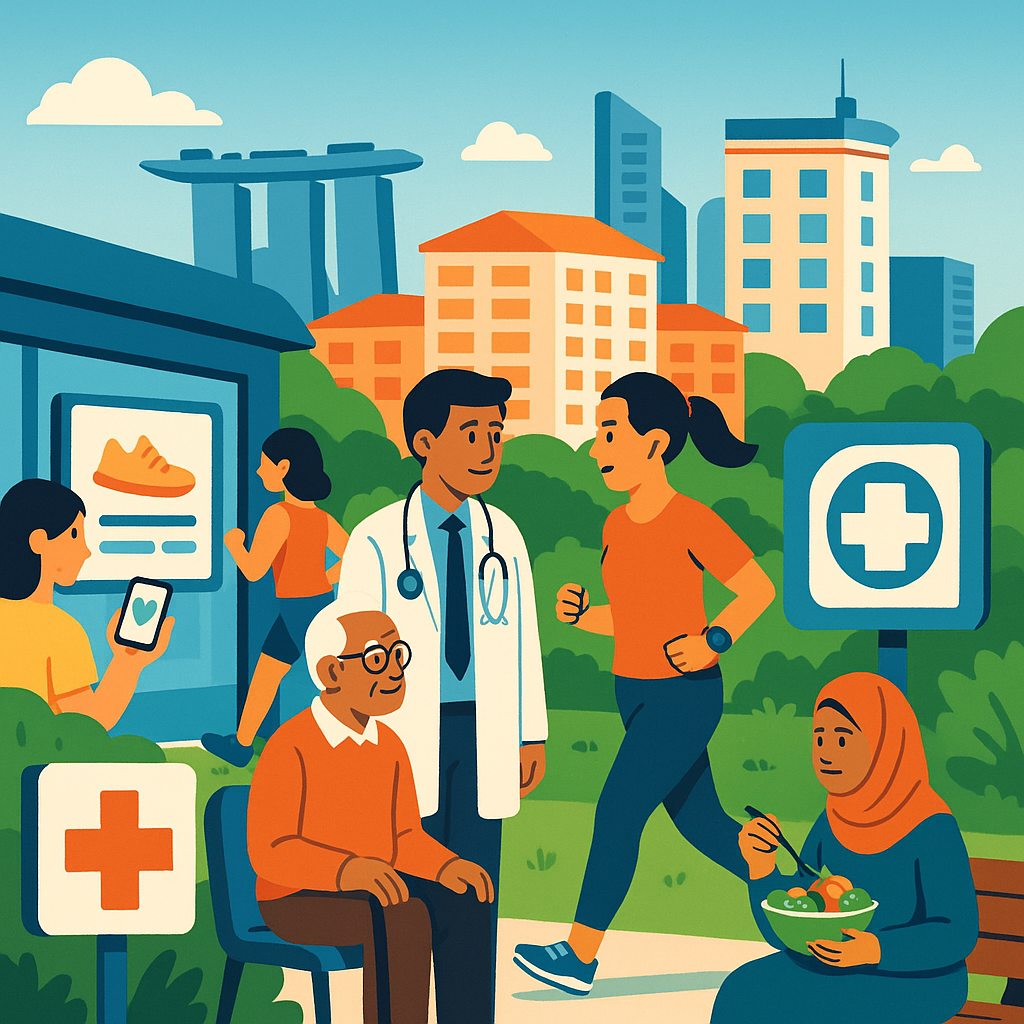
Food culture is embraced, not resisted. Healthier choices at hawker centres prove that nutrition can be both tasty and affordable. Public campaigns suggest practical tweaks—less sugar in kopi, brown rice swap, or extra greens—while school canteens and workplace pantries support consistent habits. Knowledge is framed as empowerment rather than restriction, keeping morale high.
Heat-savvy routines keep the island moving. Early-morning park runs, evening dragon boating sessions, and indoor classes during midday heat reflect a collective wisdom about tropical training. Hydration and rest intervals are normalized; sun protection and footwear advice are common. When haze emerges, coaches and clubs provide indoor options and encourage mobility and breathing exercises to maintain continuity.
Social glue makes the difference. Walking groups in estates, Saturday badminton with neighbors, and inclusive events that welcome prams and wheelchairs forge strong ties. Teens discover team sports and leadership; seniors find balance work that prevents falls; new residents plug in through sport as a universal language. Technology supports these circles—calendar invites, group chats, and booking apps—without replacing the human touch.
By removing intimidation, celebrating small wins, and supporting safe progression, Singapore turns ordinary days into training grounds for longevity. The dividend shows up in fewer aches, sharper cognition, better metabolic health, and the everyday satisfaction of moving with ease.