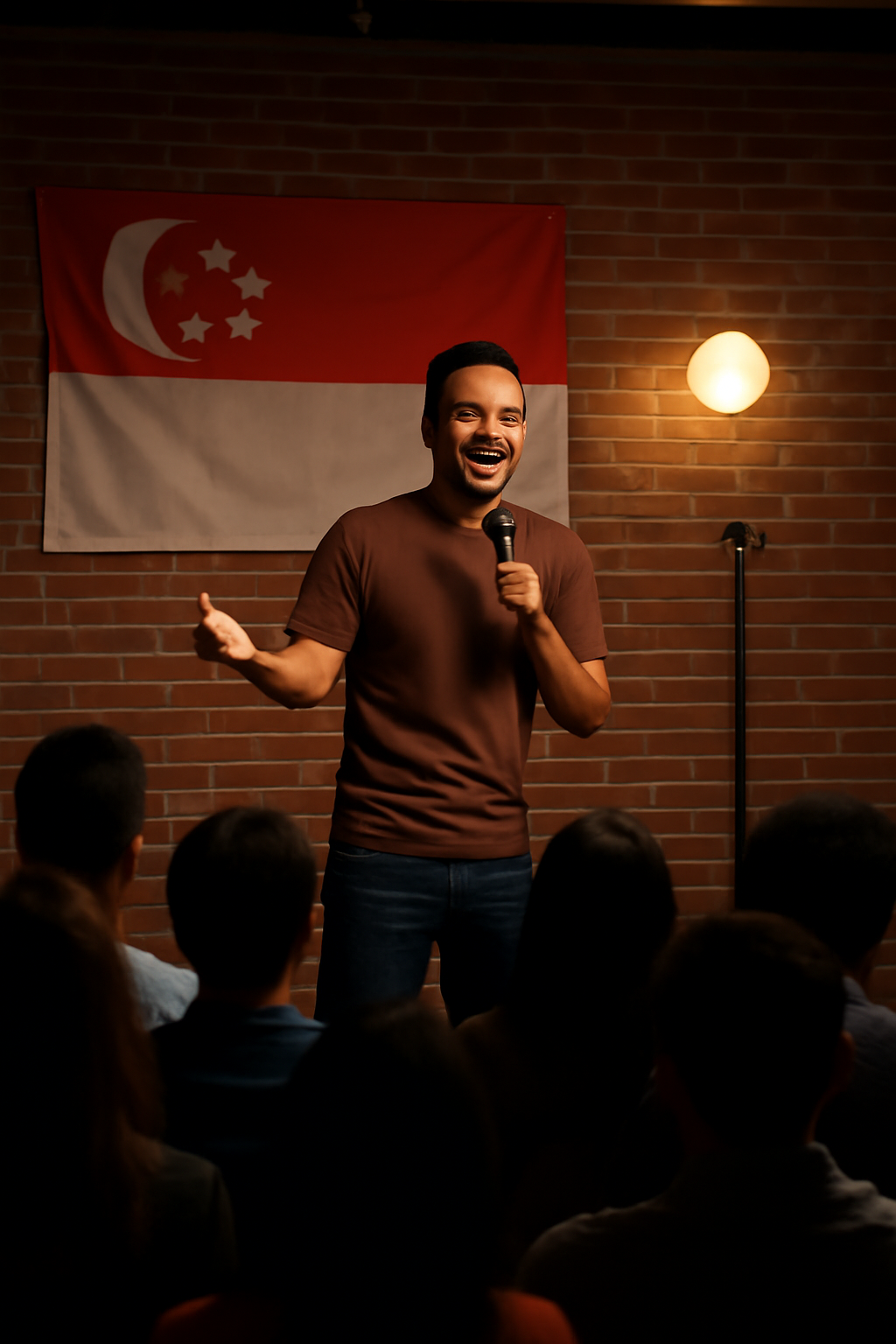
The landscape of Singapore’s entertainment industry has experienced a dynamic shift in recent years, with stand-up comedy emerging as a leading genre. From its early days of tentative experimentation to its current standing as a mainstream form of entertainment, stand-up comedy has found its place as both a source of laughter and an avenue for deeper cultural reflection. This article explores how stand-up comedy has reshaped Singapore’s entertainment industry, providing a platform for local comedians while injecting humor and critical thought into societal conversations.
Early Stages of Stand-up Comedy in Singapore
The journey of stand-up comedy in Singapore began slowly but steadily, with a few pioneers introducing this foreign art form to a population accustomed to more traditional comedic styles. In the late 1990s, comedy in Singapore was predominantly seen on television or in theater productions. The introduction of stand-up comedy, with its solo performers delivering jokes directly to the audience, presented a new and often provocative approach to humor.
Local comedians, such as Kumar, Hossan Leong, and more recently, Fakkah Fuzz, paved the way for stand-up’s growth by drawing inspiration from both local culture and international comedic influences. They were able to transform everyday situations and local issues into comedic material, resonating deeply with Singaporeans. As comedy clubs like The Comedy Club Singapore and venues like Comedy Masala began hosting regular shows, stand-up comedy slowly found its audience, and it grew in popularity throughout the 2000s.
Humor as Social Critique: The Role of Stand-up Comedy
Stand-up comedy in Singapore quickly became more than just a form of entertainment—it became a medium for social commentary. As Singapore’s public life is often marked by formality, tradition, and a certain degree of caution, stand-up comedians used humor to challenge, question, and reflect on these aspects of society. From poking fun at government policies to addressing sensitive topics like race, class, and cultural expectations, comedians in Singapore have crafted performances that not only make audiences laugh but also think critically about the world around them.
Fakkah Fuzz’s humorous takes on race and ethnicity, for instance, delve into the complexities of living in a multicultural society. He addresses common stereotypes with wit and irony, pushing boundaries while encouraging self-reflection. Similarly, Jinx Yeo’s dry humor and observational style often bring attention to Singapore’s unique social behaviors, showcasing both the charm and absurdity of daily life in the city-state.
This form of comedy acts as a bridge between humor and critique, allowing for a space where societal issues can be discussed in a non-threatening, engaging manner. The success of this approach has made stand-up comedy in Singapore a popular avenue for both entertainment and reflection on pressing issues.
Globalization and International Influence on Local Stand-up
In recent years, the globalization of comedy has also played a significant role in the development of the stand-up scene in Singapore. International comedians, such as Trevor Noah, Aziz Ansari, and Ali Wong, have performed in Singapore, bringing their own perspectives and humor. The success of these global comedians has served as an inspiration to local comics, who have adopted diverse comedic styles while staying true to Singapore’s unique identity.
The internet and streaming services have also contributed to the growth of stand-up comedy in Singapore. Platforms like Netflix have allowed local audiences to access a variety of international comedy specials, from classic stand-up acts to more experimental performances. This exposure to different comedic approaches has expanded the tastes of Singaporeans, encouraging local comedians to experiment with new forms and topics.
In particular, Singapore’s increasing cultural diversity has enriched the local comedy scene. The multicultural makeup of the city provides comedians with an abundance of material to work with, including explorations of race, identity, and the intersection of global influences with local traditions.
Stand-up Comedy as a Profession
The rise of stand-up comedy in Singapore has also led to a professionalization of the industry. Once considered a hobby or a side gig, comedy is now a legitimate career path for many aspiring comedians. With more comedy clubs, festivals, and events supporting local talent, aspiring comics have more opportunities to perform and hone their skills.
The open mic scene has become an essential part of the local comedy ecosystem. Venues such as The Improv Theatre and comedy festivals like the Singapore Comedy Festival provide aspiring comedians with a platform to gain exposure, test their material, and connect with fans. These platforms also enable the rise of younger comedians who bring fresh perspectives and new ideas to the stage.
Additionally, social media platforms like Instagram, YouTube, and TikTok have allowed comedians to expand their reach beyond the traditional comedy circuit. Comedians can now post clips of their performances, engage with audiences, and build their fanbase online. This has opened up additional revenue streams for comedians and has allowed them to directly interact with fans, making comedy more accessible to a wider audience.
The Future of Stand-up Comedy in Singapore
As Singapore’s comedy scene continues to evolve, the future of stand-up comedy looks brighter than ever. The increasing popularity of live comedy shows, coupled with the growing cultural appetite for humor that resonates on a personal level, suggests that the stand-up scene will continue to thrive. Singapore’s role as an entertainment hub in Southeast Asia ensures that the city will remain a key destination for international comedians, while local talent continues to gain recognition globally.
In the coming years, the blending of local and global comedic influences will further define Singapore’s stand-up comedy scene. As more comedians experiment with new formats and platforms, the industry will evolve, offering fresh and innovative entertainment. The growing acceptance of stand-up comedy as a serious art form, along with its ability to address pressing societal issues, ensures that it will remain an important part of Singapore’s entertainment culture for years to come.