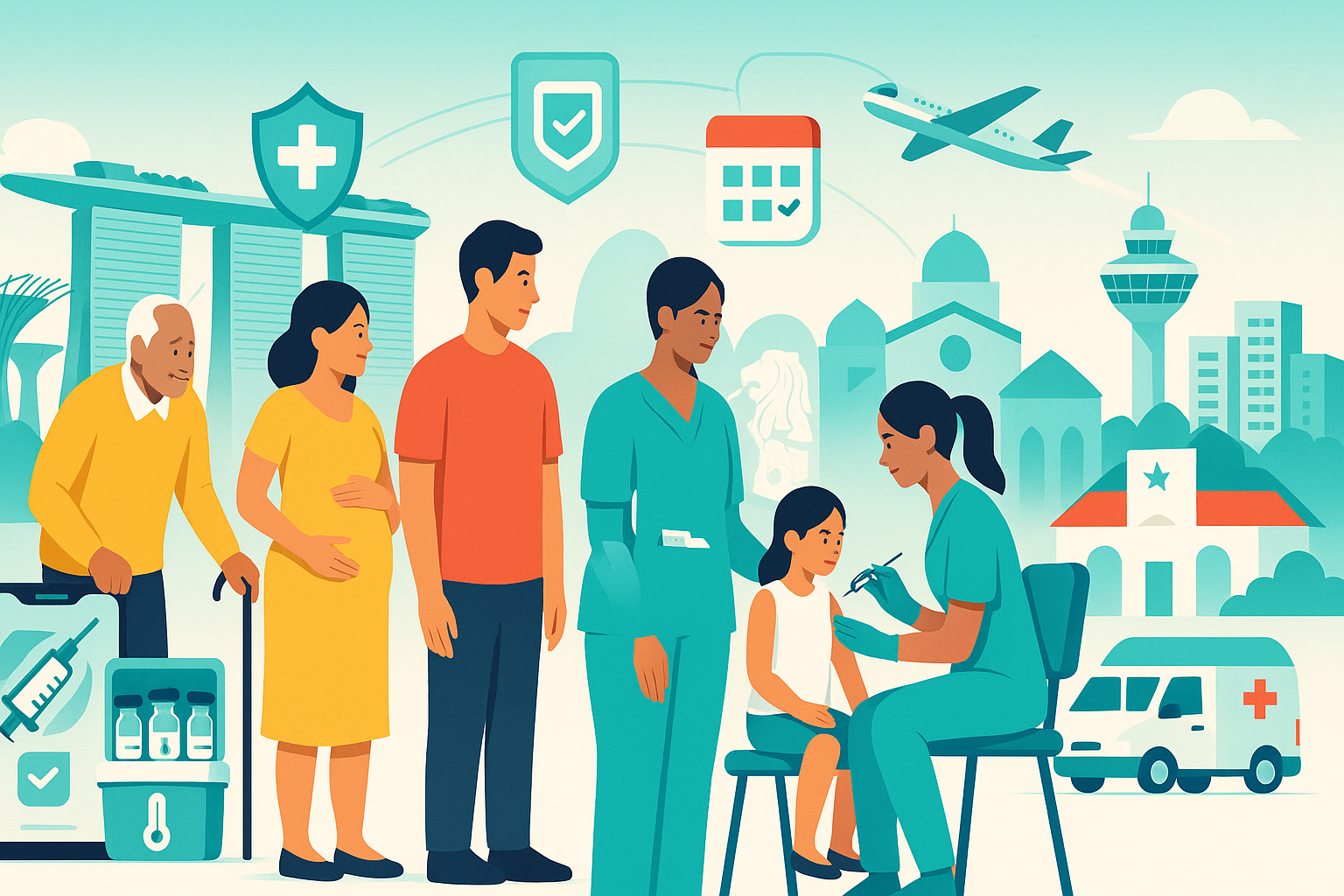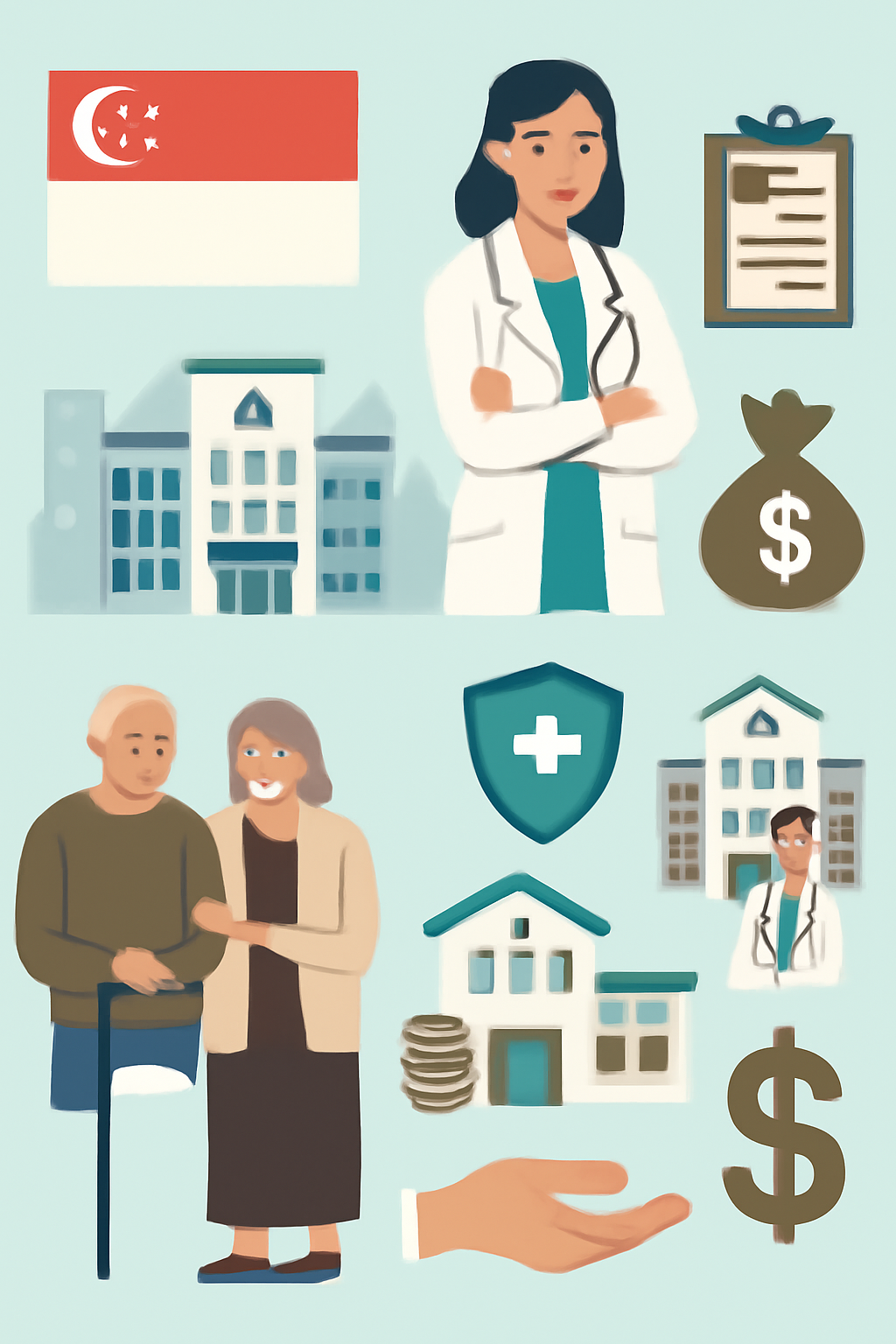
Singapore’s healthcare system is widely acknowledged for its efficiency, quality, and affordability, combining both public and private elements. The country’s approach focuses on personal responsibility while ensuring that vulnerable populations receive the support they need, making it one of the most successful healthcare models globally.
The framework that underpins Singapore’s healthcare system is known as the “3M” system, consisting of Medisave, Medishield Life, and Medifund. Medisave is a compulsory savings program that requires citizens to set aside a portion of their income to pay for medical expenses. This system encourages self-reliance and ensures that individuals are financially prepared for healthcare needs. Medishield Life provides universal health insurance to cover large medical bills, such as hospitalization and surgeries. Medifund serves as a safety net for individuals who cannot afford healthcare, ensuring that no one is denied treatment due to financial constraints.
A distinctive feature of Singapore’s healthcare system is the emphasis on public healthcare. Government-run hospitals and clinics are affordable and well-equipped, offering high-quality care to citizens. The government also provides subsidies to make healthcare accessible to low- and middle-income groups. While the public sector offers comprehensive services, the private sector supplements the system with specialized care, allowing for a wider range of options for individuals who can afford higher fees.
The government plays a central role in the healthcare system, regulating both public and private sectors to ensure that quality care is available to all. One of the key principles of Singapore’s healthcare model is the idea of shared responsibility between the individual and the state. Citizens are encouraged to use their Medisave accounts and Medishield Life insurance before seeking financial aid from the government, which helps limit the strain on public resources.
Despite its numerous advantages, Singapore’s healthcare system faces challenges. The aging population poses a significant concern, as older individuals require more healthcare services. The government has introduced various schemes to help elderly citizens with healthcare costs, but as life expectancy continues to rise, long-term sustainability becomes a growing concern. The increase in chronic diseases and the demand for long-term care further complicates the situation.
Another challenge is the inequality between public and private healthcare services. While the public sector offers affordable and high-quality care, private providers often offer more advanced treatments and personalized services. This creates a system in which wealthier individuals may have access to superior healthcare, potentially leading to disparities in health outcomes between different socioeconomic groups.
Overall, Singapore’s healthcare system remains a global benchmark for healthcare efficiency and quality. By balancing individual responsibility with government intervention, the system ensures that all citizens can access affordable, high-quality healthcare. The continued evolution of policies will be essential to address the ongoing challenges posed by an aging population and the rising costs of healthcare.