Mental health care in Singapore has evolved significantly over the years, driven by a growing recognition of the importance of mental well-being. Although progress has been made, several barriers still hinder equitable access to mental health services. These challenges range from financial constraints to a lack of awareness and understanding about mental health. However, efforts from both the government and community organizations are paving the way for a more inclusive mental health care system.
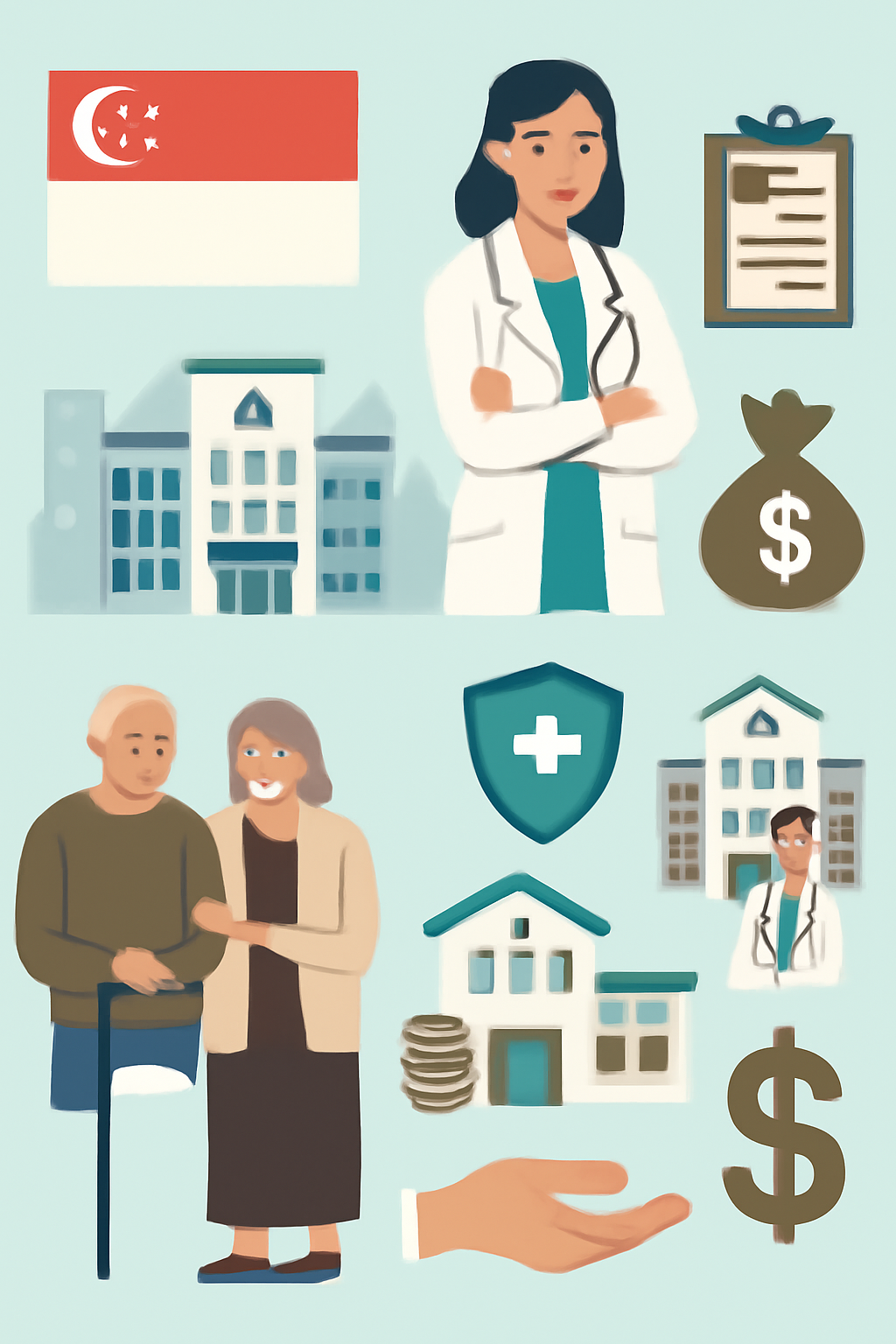
Access to mental health services is one of the most pressing issues in Singapore. While the government has taken steps to make mental health care more affordable by providing subsidies for outpatient treatments, the high cost of private mental health services remains a concern. Even with financial assistance, many people may still find it difficult to afford consistent treatment, leading to unmet needs in the community.
Additionally, the availability of mental health professionals is another challenge. There is a shortage of trained specialists in Singapore, especially in the private sector, which creates longer wait times for treatment. As a result, many individuals may be forced to delay seeking care, which can lead to a worsening of their condition. To address this issue, the government has been focusing on increasing the number of mental health professionals, but the demand for services continues to outstrip supply.
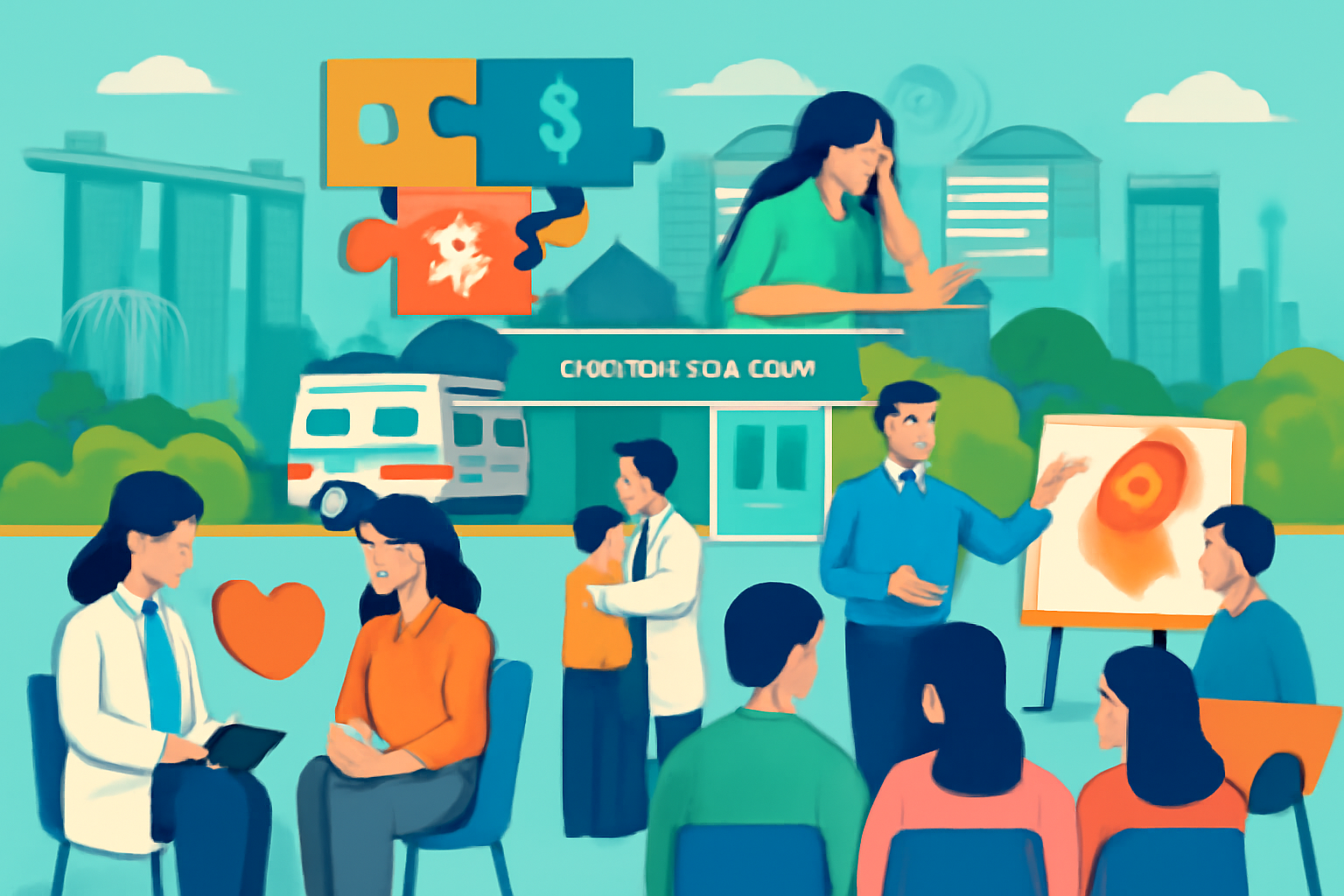
Beyond access, the stigma associated with mental health in Singapore remains a significant challenge. Despite efforts to raise awareness and reduce stigma, many people still view mental health issues with shame and fear. This stigma can prevent individuals from seeking help, even when they are in desperate need of support. Education and public awareness campaigns are essential in dispelling myths and encouraging individuals to speak out and seek the help they need.
Initiatives like “The Singapore Mental Health Conference” and “Beyond the Label” have been instrumental in fostering discussions about mental health. These events provide opportunities for the public to learn more about mental health conditions, share experiences, and understand the importance of seeking professional help. Programs aimed at educating both the general public and key sectors, such as schools and workplaces, are crucial in shifting societal attitudes toward mental health.
Workplace mental health initiatives are also gaining traction. Many companies in Singapore are now offering mental health support to employees, including counseling services, mental wellness programs, and stress management workshops. These efforts help reduce work-related stress, prevent burnout, and create a healthier work environment.
As Singapore continues to invest in mental health care, it is essential to address both the systemic and societal barriers that prevent individuals from accessing the help they need. By improving access to services, reducing stigma, and increasing public education, Singapore is moving toward a more supportive and inclusive mental health care system.