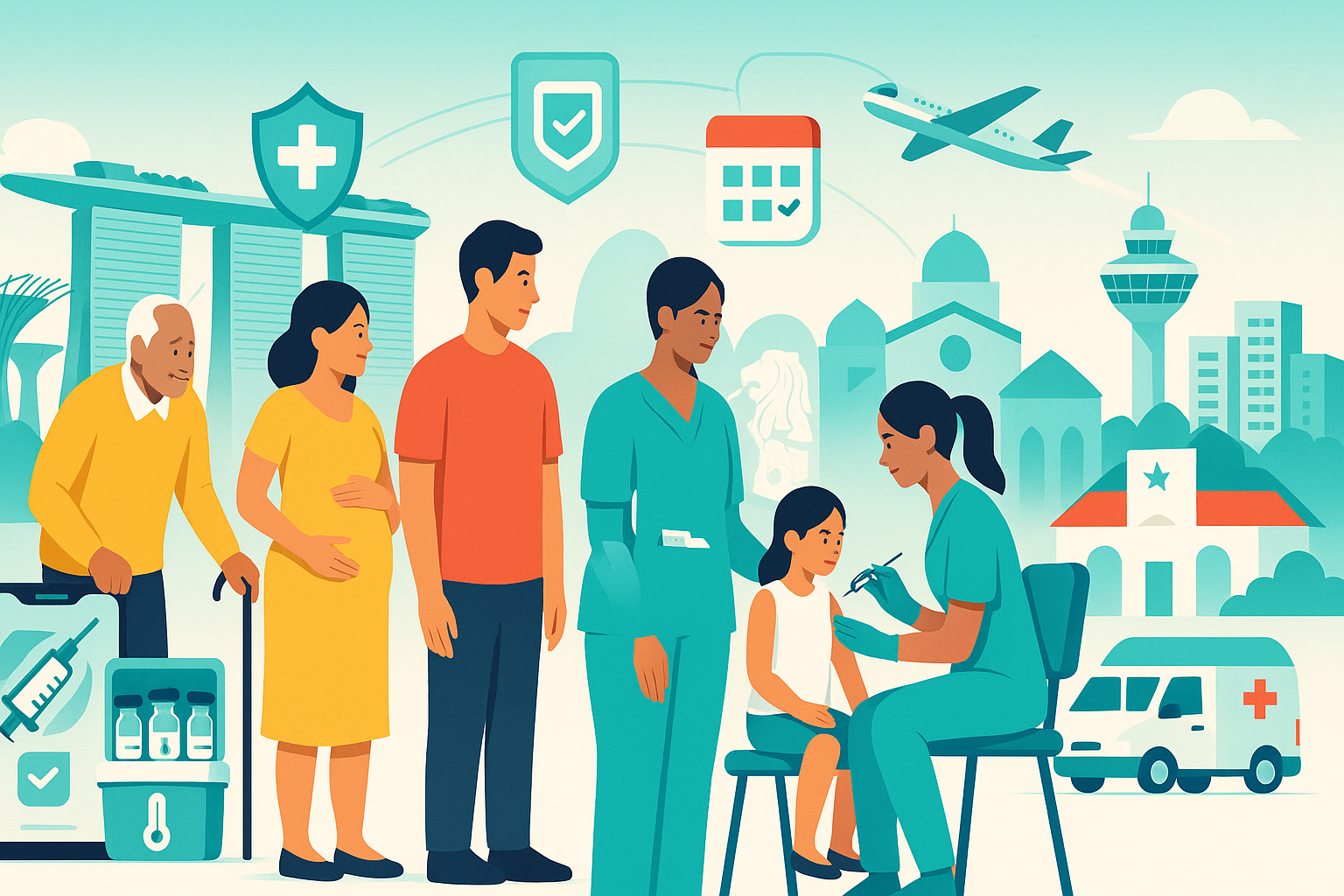
In Singapore, the patient experience is the design brief for health technology. Start with access: booking is online, reminders are automated, and queue systems are transparent. HealthHub centralises tasks that once demanded a morning off—checking results, paying bills, requesting medication refills. For caregivers managing elderly parents, shared access and notifications make coordination feasible.
Clinically, the data follows the person. The NEHR reduces blind spots by surfacing allergies, recent admissions, and current medications wherever the patient shows up. That continuity is vital for multi-morbidity, where the wrong antibiotic or duplicated imaging can cause harm. Decision support inside the electronic medical record suggests evidence-aligned orders but allows clinician judgment to prevail, avoiding rigid, one-size-fits-all pathways.
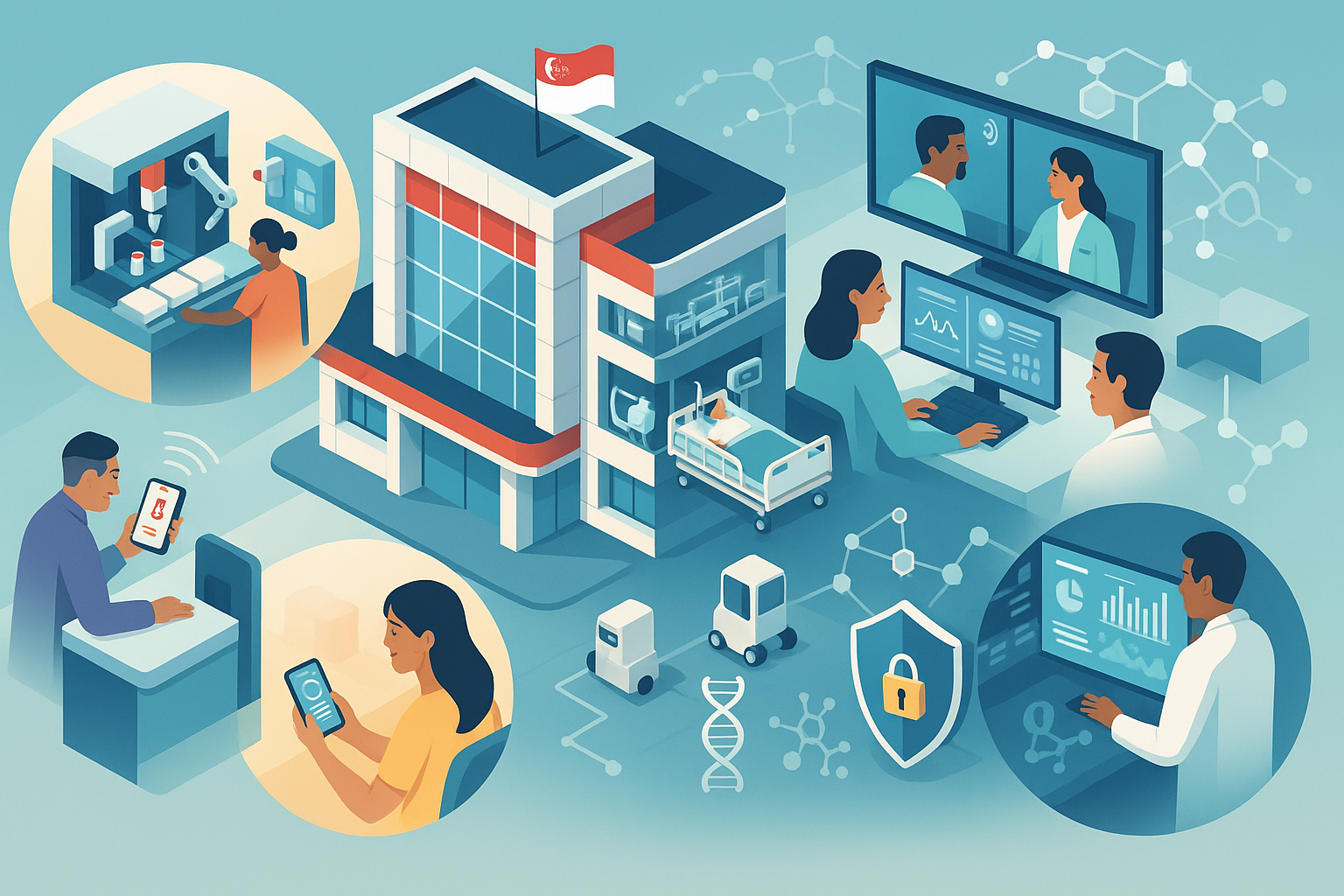
Telemedicine extends the clinic. Video consults are common for stable chronic disease reviews, mental health check-ins, and skin conditions. Remote monitoring devices supply blood pressure or glucose readings, captured at home but visible to the clinic team. A nurse may adjust a care plan based on trends, not just point-in-time measurements. The hospital-at-home model further blurs boundaries: selected patients receive acute-level care with daily rounds conducted virtually, supported by home visits and on-call escalation.
Engineering discipline shows up in hospital operations. Barcode medication administration prevents wrong-patient errors; automated dispensing cabinets reduce stock-outs; and smart pumps guard against infusion mistakes. Logistics are orchestrated with robots and predictive systems that pre-stage supplies based on admission patterns. In imaging, AI helps triage and quantify findings, accelerating time-sensitive diagnoses without removing the radiologist’s oversight.
Data security and privacy are central. Role-based access, audit trails, and encryption are standard; cybersecurity drills and threat intelligence reflect the sector’s attractiveness to attackers. Interoperability is pursued through open standards and carefully governed APIs, enabling third-party innovation for reminders, rehabilitation, or chronic disease apps that plug into clinical systems safely.
The human layer is non-negotiable. Training and simulation prepare clinicians for new workflows; feedback loops suppress alert fatigue; and user experience research shapes interfaces. On the public side, assisted digital services, multilingual content, and community partnerships help residents who are less tech-confident. Means-tested subsidies keep virtual care and devices affordable, ensuring benefits don’t accrue only to the digitally savvy.
The result is a care environment where time is reallocated: less paperwork, fewer duplications, more conversation. By combining service design with strong engineering and governance, Singapore’s hospitals and clinics demonstrate how technology can be both invisible and indispensable.