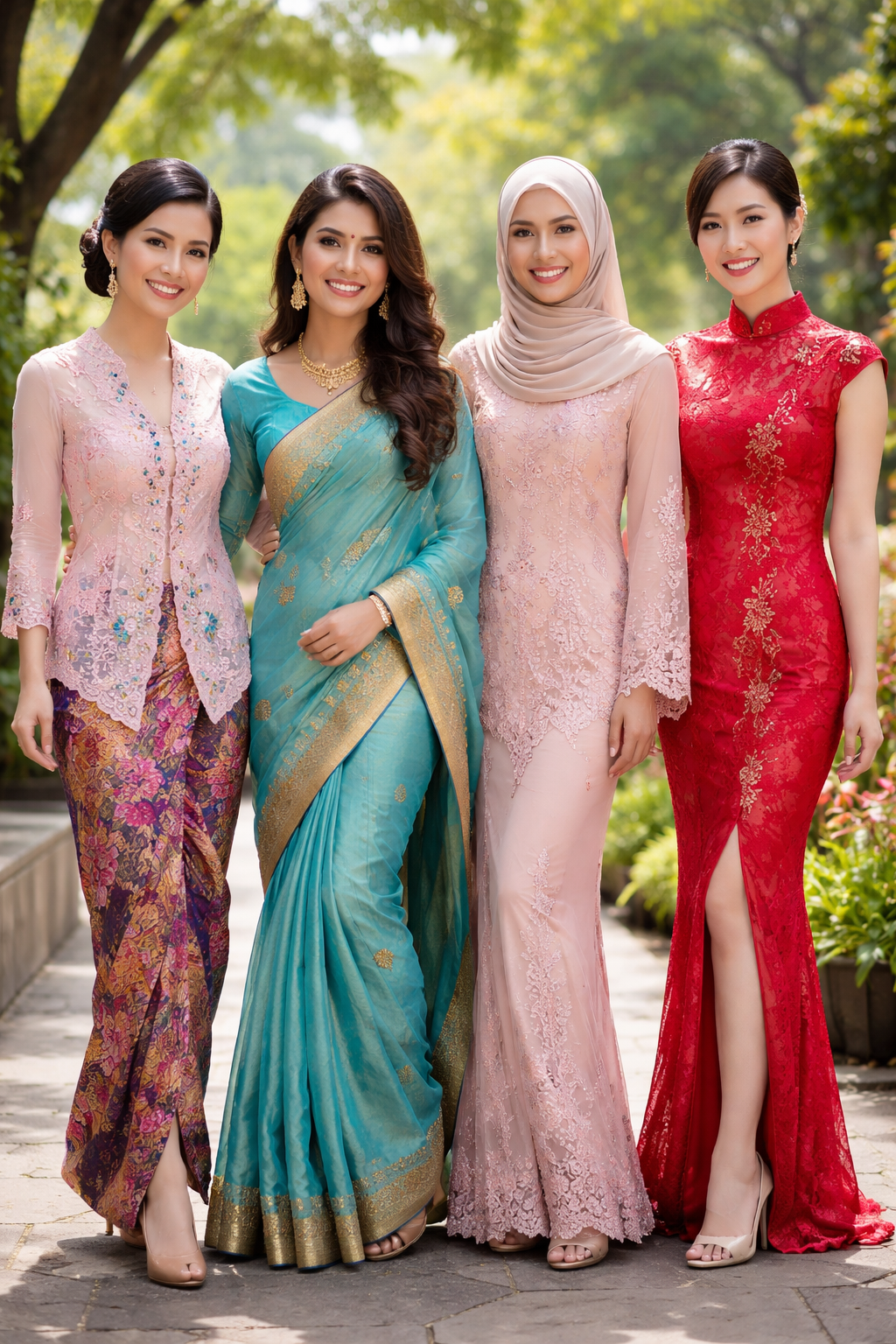
Singapore’s diverse cultural landscape is mirrored in its traditional clothing, which represents a fusion of the many ethnic communities that make up the nation. While contemporary fashion often takes center stage in the urban fashion scene, traditional attire continues to hold deep significance for the various communities. From the kebaya to the cheongsam, the saree to the baju kurung, these garments remain central to celebrations, religious events, and everyday expressions of cultural pride.
The kebaya, a blouse with intricate embroidery worn by the Peranakan people, exemplifies how traditional clothing can evolve while retaining its cultural value. The kebaya has gone through significant transformations over the years. Originally worn with a sarong or long skirt, modern versions are paired with trendy pants or skirts, creating a balance between tradition and contemporary fashion. Designers have also introduced lighter fabrics and new color schemes, making the kebaya a popular choice for both formal events and casual wear. The rich heritage of the kebaya continues to inspire contemporary fashion, allowing younger generations to connect with their roots while expressing individual style.
Similarly, the saree continues to be a major part of the Indian community’s cultural identity. Traditionally, a saree is a long piece of fabric wrapped around the body, often worn with a blouse. It has evolved to reflect modern trends, with lighter fabrics like chiffon, georgette, and crepe replacing the heavier silks of the past. The saree is also designed with innovative draping styles, making it more versatile and easier to wear for the modern woman. Bright, bold prints and embellishments have made the saree not only an elegant choice for weddings and celebrations but also a modern fashion statement.
For the Malay community, the baju kurung and baju melayu continue to be significant cultural attire. The baju kurung, worn by women, is a long, loose tunic that emphasizes modesty. In modern times, it has been updated with more flexible cuts and lighter fabrics, enabling it to be worn on a variety of occasions. The baju melayu, worn by men, has also seen changes, with slimmer cuts and bolder colors reflecting contemporary fashion tastes while maintaining its cultural integrity.
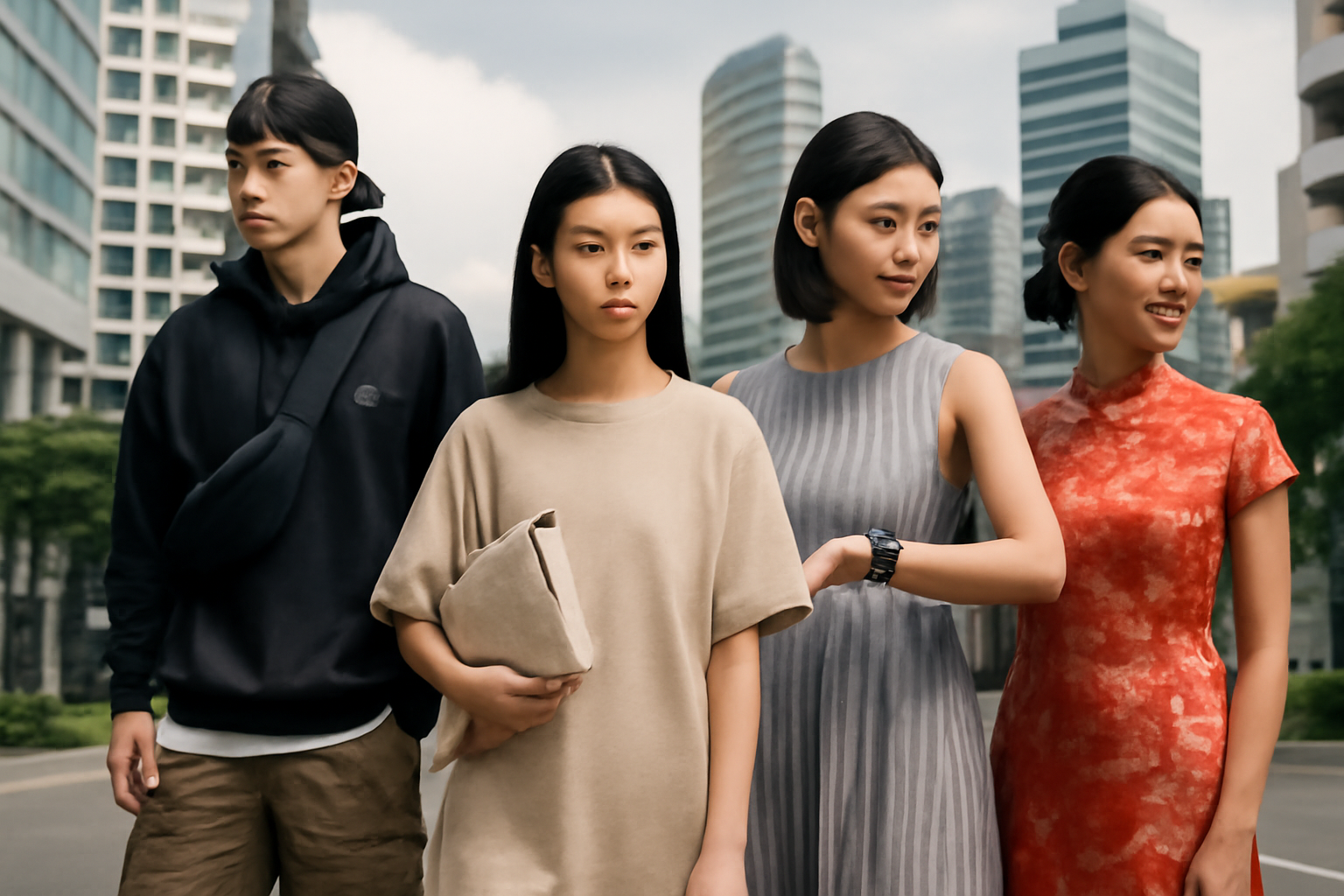
The cheongsam, a traditional Chinese dress, has seen its fair share of transformations as well. Once a daily wear garment, the cheongsam is now often worn on formal occasions such as weddings and Chinese New Year celebrations. Contemporary designers have updated the cheongsam by using more casual fabrics, adding prints, and experimenting with different cuts. The result is a garment that stays true to its heritage while embracing modern trends.
Traditional Singaporean clothing is more than just attire; it represents the cultural identity and history of each ethnic group. While it’s important to honor these traditions, modern fashion designers are ensuring these garments stay relevant in today’s world by infusing contemporary elements into their designs. This dynamic relationship between tradition and innovation ensures that traditional clothing in Singapore will continue to thrive for generations to come.