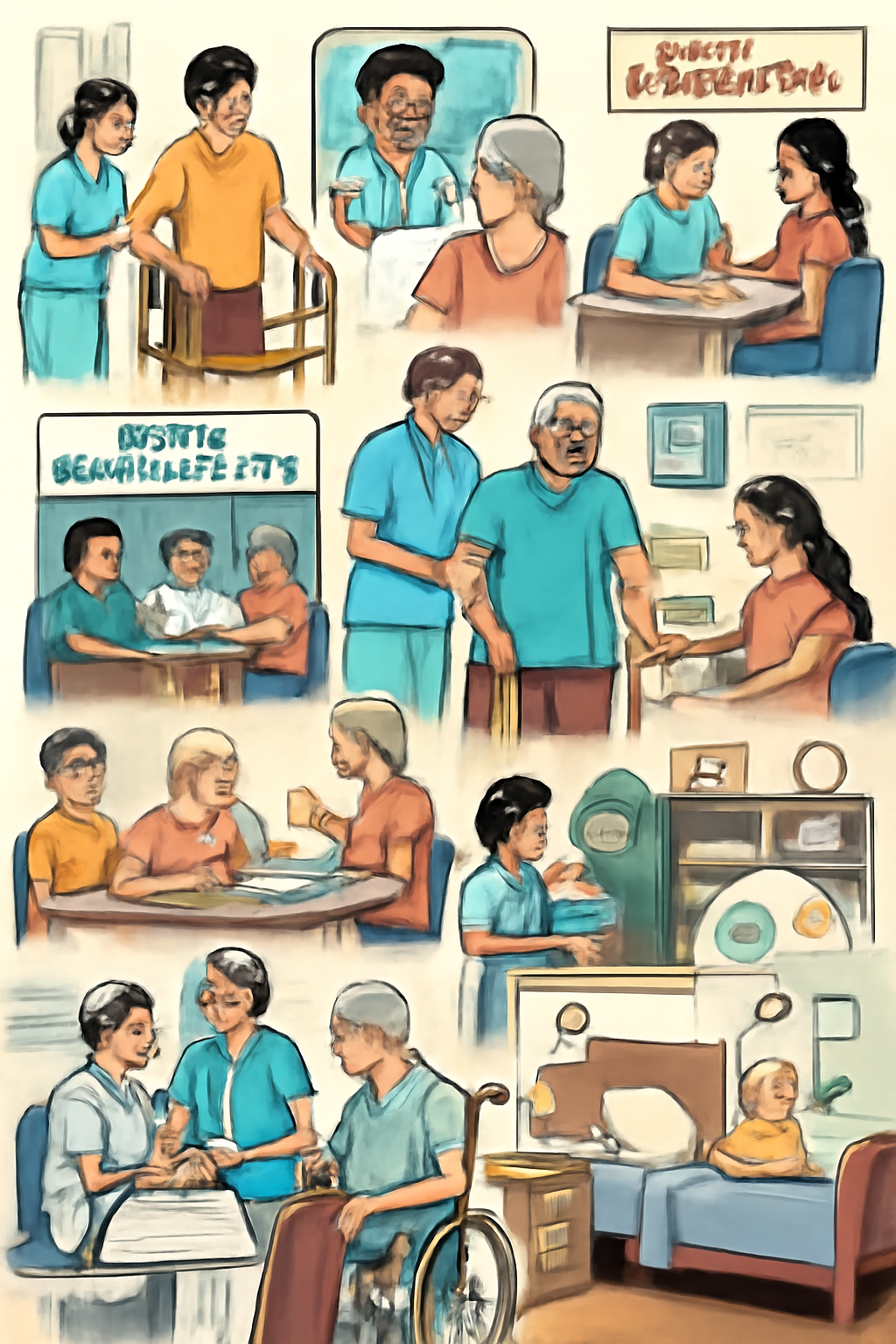
Singapore’s senior care ecosystem is shaped by three pillars: skilled people, robust processes, and supportive places. Together, they create conditions where older adults can live safely and meaningfully, whether at home, in the community, or in residential settings.
People first. Trained nurses, therapists, care aides, and physicians collaborate to design individualized plans focusing on medical stability, function, and psychosocial wellbeing. Staff training covers dementia care, safe transfers, infection control, nutrition, and communication. Language and cultural sensitivity matter in a diverse society; providers that can serve in multiple languages often deliver better engagement and adherence.
Processes translate intent into reliability. The Ministry of Health’s licensing regime ensures baseline safety, and providers adopt standard operating procedures for medication administration, incident reporting, pressure injury prevention, and fall risk management. Multidisciplinary rounds, case conferences, and regular reassessments keep care plans current. The Agency for Integrated Care supports navigation, referrals, and subsidy applications, ensuring families don’t face the system alone.
Place shapes outcomes. Home care allows continuity of routines and social ties; day care centers provide meals, exercise, cognitive stimulation, and supervision; dementia day programs reduce caregiver strain while supporting memory and behavior. Nursing homes offer 24-hour monitoring for high-dependency seniors and include rehabilitation and palliative care. Transitional and community hospitals bridge recovery after acute episodes. Design enhancements—grab bars, non-slip surfaces, bright task lighting, clear wayfinding—reduce risk and anxiety.
Paying for care typically combines universal and targeted supports. MediShield Life, MediSave, and CareShield Life form the core, with means-tested subsidies keeping services accessible. Silver Support and generational packages supplement income for eligible seniors. Families can consult AIC for a comprehensive view of entitlements and service matches.
Technology is now embedded in quality improvement. Electronic care records, medication e-admin systems, teleconsults, and remote monitoring streamline workflows and catch risks early. For dementia care, wearables and door sensors help prevent wandering; in rehabilitation, digital tools track progress and personalize exercise intensity.
Signals of quality are concrete. Look for staff stability, post-fall reviews, pressure injury prevalence trending downward, vaccination coverage, therapy intensity, and documented goals around mobility, continence, and nutrition. Transparent communication with families—regular updates, care conferences, and clear escalation pathways—indicates a mature safety culture.
For families deciding among options, visit spaces and watch interactions. Are residents addressed by name? Are activities purposeful and adapted to ability? Are meals appetizing and unrushed? Ask how the provider prepares for emergencies, handles pain management, and respects end-of-life wishes. These details reveal whether the organization’s values align with your loved one’s needs.
Singapore continues to invest in assisted living and neighborhood-based supports to enable ageing-in-place at scale. With dedicated people, disciplined processes, and environments designed for dignity, the country’s system strives to deliver dependable, compassionate care across the continuum.