In Singapore, public health is treated as a shared responsibility, with the government assuming a central organising role. Instead of simply reacting to illness, public authorities plan, regulate, and fund systems that aim to keep the population healthy across the life course. This approach reflects a belief that health is essential to social stability and economic development.
Institutional leadership rests with the Ministry of Health, which sets strategic directions and allocates resources across the system. Through national plans and long-term roadmaps, the ministry highlights priority areas such as chronic disease prevention, healthy ageing, and mental well-being. It issues regulations governing healthcare professionals, pharmaceutical products, medical devices, and facility licensing, thereby ensuring a consistent baseline of quality and safety.
The financial architecture of Singapore’s healthcare system further highlights the government’s role. Public policies encourage a blend of individual savings, risk-pooling through insurance, and targeted public subsidies. Citizens are expected to contribute to the cost of their care, but significant state support is available for essential services, especially within public hospitals and polyclinics. Those facing financial hardship can apply for additional assistance, reinforcing the idea that no one should be deprived of necessary care due to inability to pay.
On the service delivery side, the government plays a direct role as owner and manager of major healthcare institutions. Public hospital groups and their associated facilities are organised into regional systems, each responsible for the health needs of a defined population. Polyclinics provide first-line care, including vaccinations, screenings, and chronic disease management. Over time, policy directions have emphasised integration across acute, primary, and community care so that patients experience smoother transitions and more coordinated services.
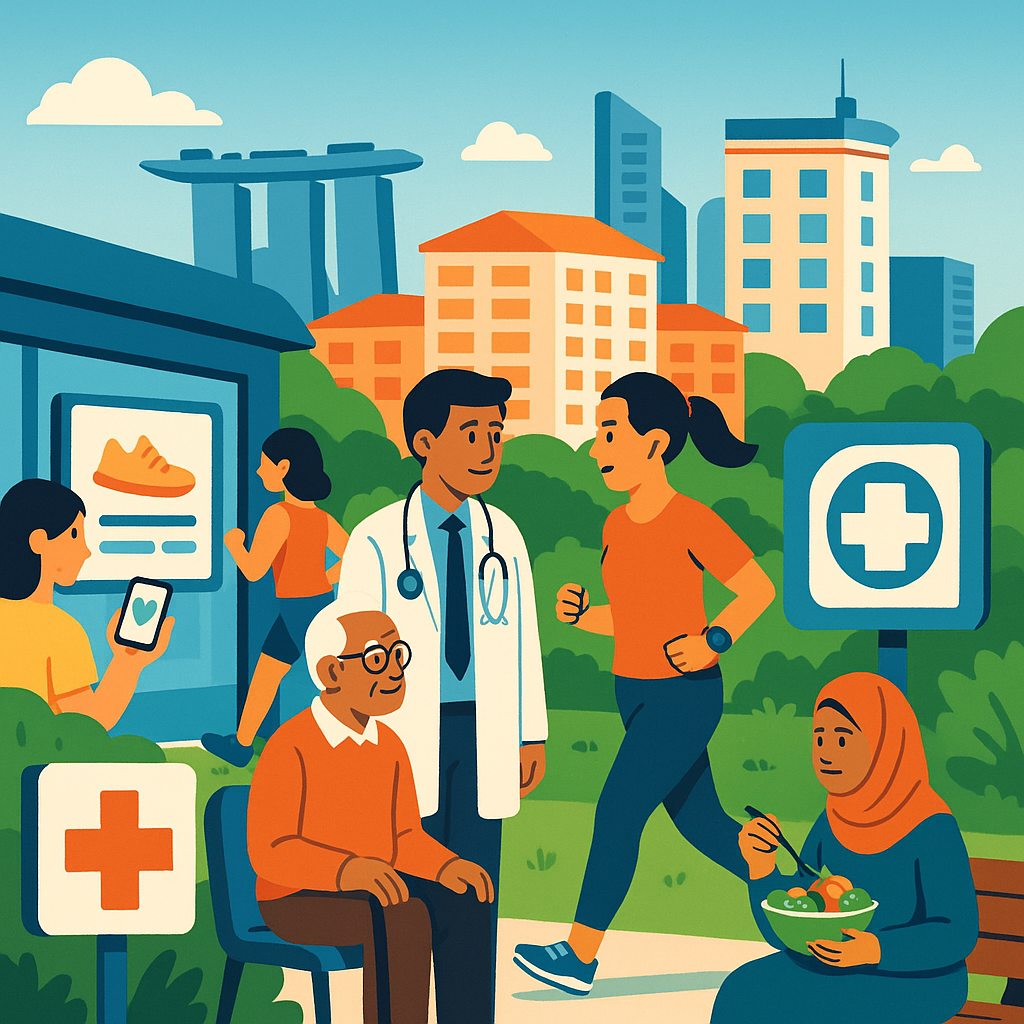
Preventive health is a key area of state intervention. Agencies spearhead initiatives to address risk factors such as tobacco use, physical inactivity, unhealthy diets, and stress. Campaigns leverage schools, workplaces, and grassroots organisations to spread messages and create supportive environments—for example, through healthier food offerings, opportunities for exercise, and mental health literacy programmes. Financial incentives, recognition schemes, and community challenges are often used to nudge people towards healthier choices.
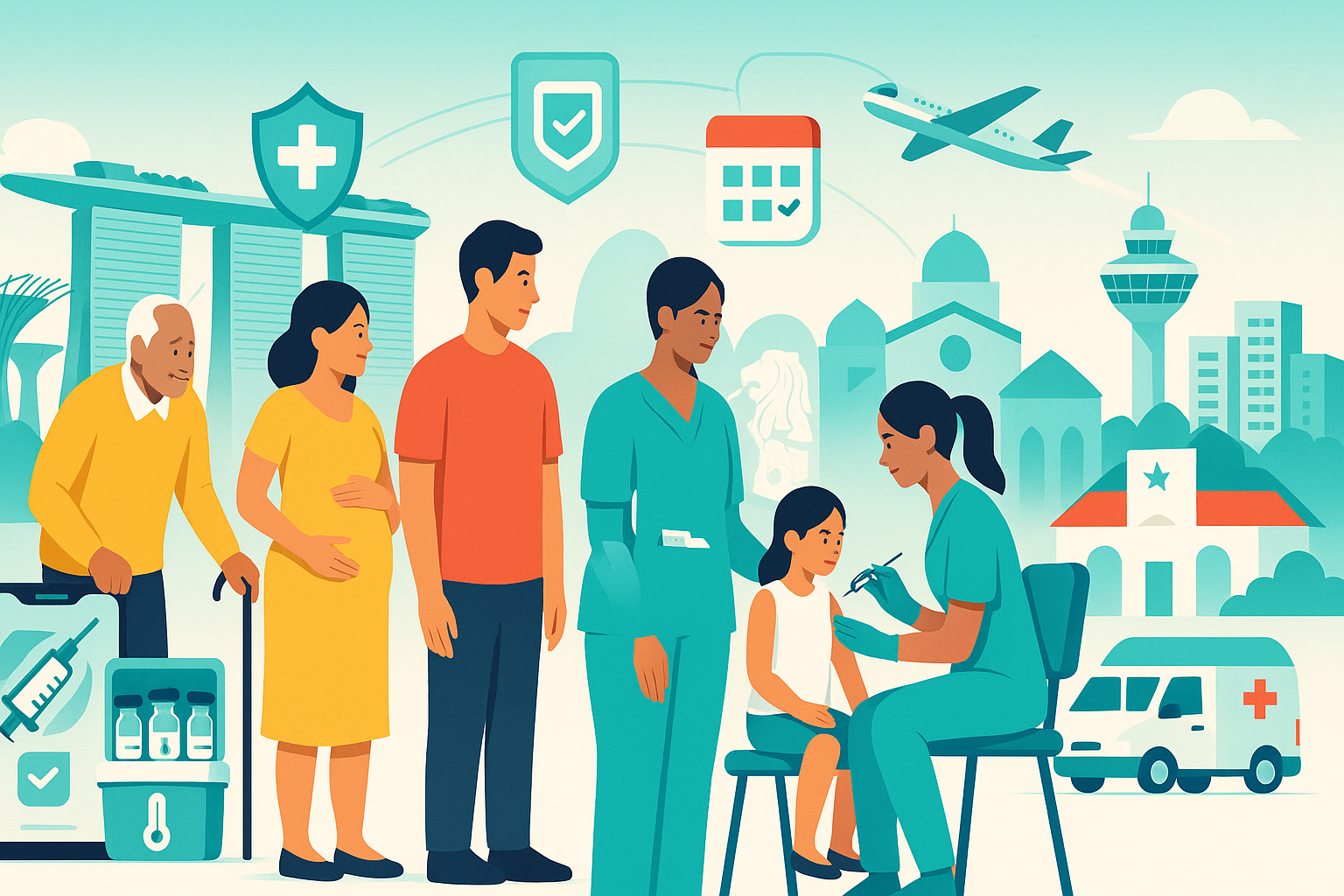
The government also takes responsibility for preparing and responding to infectious disease threats. Legal frameworks support mandatory reporting of specified diseases, while surveillance systems track trends and detect outbreaks. Dedicated facilities, laboratory networks, and emergency response plans are in place to manage serious events. When needed, authorities can implement public health measures such as isolation orders, contact tracing, and border controls. Clear communication and regular updates are used to keep the public informed and engaged.
Emerging challenges are shifting the focus of policy debates. Rapid population ageing, the high burden of chronic conditions, workforce constraints in healthcare, and growing attention to mental health are prompting new strategies. Government initiatives increasingly stress prevention, community-based support, and digital innovations such as telemedicine and health apps. Collaborative models that involve social services, voluntary organisations, and private providers are being encouraged to complement the formal healthcare system.
Through these various roles—planner, regulator, financier, provider, and educator—the Singaporean state shapes not only the availability of healthcare services but also the environments in which people live, work, and age. Public health outcomes are therefore closely linked to the capacity and choices of government, as well as the willingness of citizens to work alongside public institutions in maintaining and improving health.