The most revealing number in Singapore’s concert economy is not the ticket price. It is the 18-fold increase in hotel bookings on Trip.com during the BTS concert period, a signal that fans are not treating the show as a night out but as the anchor of a full travel itinerary . That behavioural shift is what makes exclusive concerts economically interesting to a destination: the fan who travels for a single stadium night also books flights, meals, local transport, retail and attractions across multiple days . Singapore’s hospitality sector has moved quickly to capture that spending before it reaches the stadium gates.
Hospitality Packages Move Up the Value Chain
Marina Bay Sands’ BigBang concert packages illustrate how exclusive or high-demand shows are being converted into high-yield hospitality products. The Concert and Connoisseur Package, starting at S$1,388**, bundles two Category 1 tickets worth **S$348 each with a dining experience for two at a resort restaurant. The BigBang Comeback Celebration package, starting at S$3,800, adds a minimum two-night stay in a Sands Premier Room for two guests along with premium resort privileges . These packages do not replace general ticket sales; they create a separate tier of fan who is willing to pay for proximity, convenience and the status of a curated experience.
The Street-Level Spending That Does Not Appear in Stadium Revenue
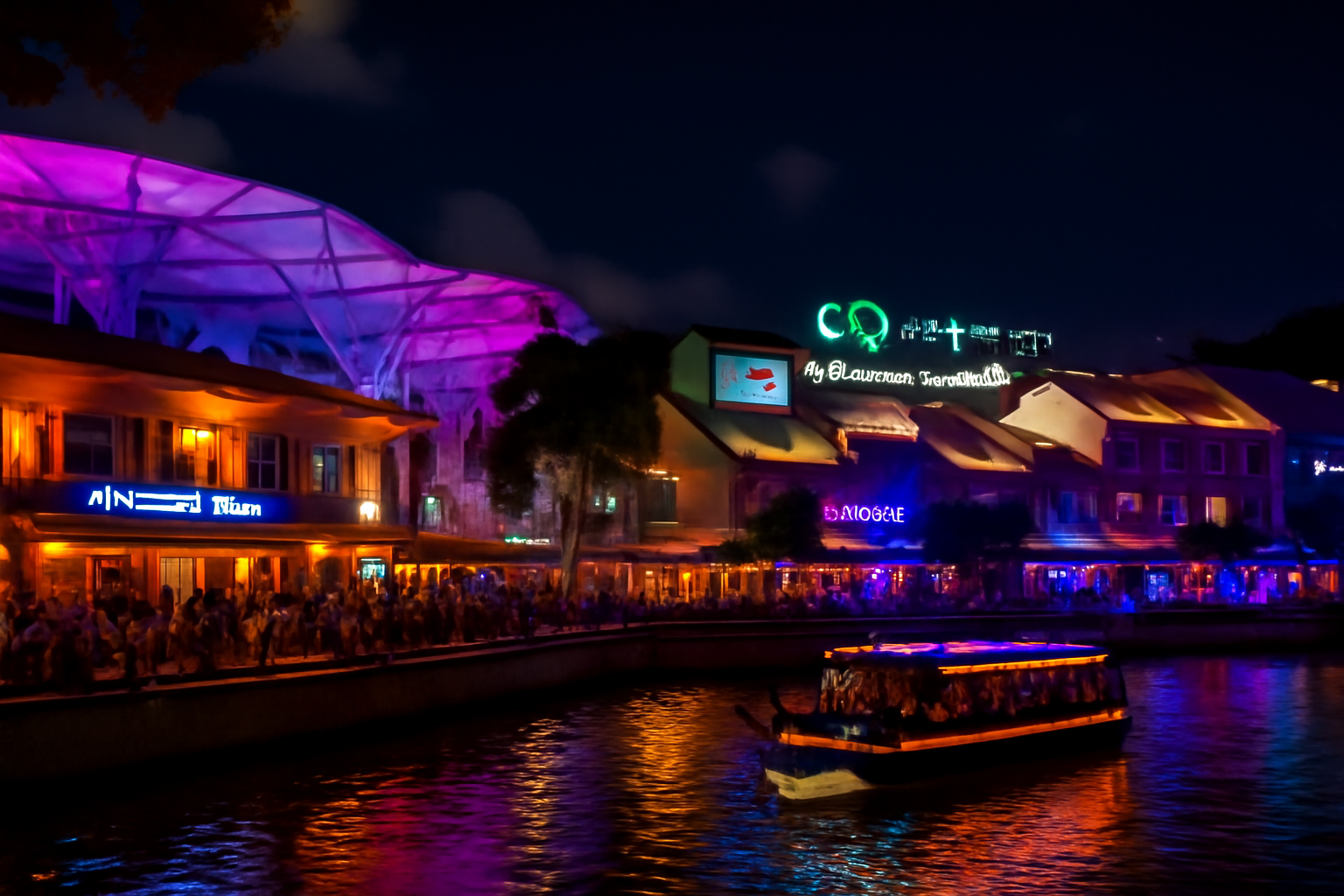
The fan spending journey extends far beyond official hospitality. Merchandise drops, pop-up stores and brand collaborations pull concertgoers into retail precincts that have no direct connection to the venue. BigBang’s 2026 Singapore return triggered a merchandise pop-up at 313@Somerset on Orchard Road, while a PEACEMINUSONE collaboration with Toy Story opened at Clarke Quay with more than 100 product lines . These are not ancillary activities; they are part of the reason fans arrive early and stay longer. A concert visitor might spend the morning around Marina Bay, lunch at a hawker centre, shop along Orchard Road, attend the stadium show and finish with supper—each stop creating activity for a different segment of the local business ecosystem .
The Fan Segments That Drive the Premium
Not all concert tourists behave the same way. The BTS fandom, ARMY, is particularly prone to multi-night and multi-city travel because the group’s four-year hiatus from touring has created pent-up demand. Seo-young Kwon, an economic researcher at Yonsei University, notes that many fans are willing to “go the extra mile” and attend concerts not just in their home country but in other countries and cities . That willingness is the demand-side foundation of Singapore’s exclusivity strategy: if the most committed fans are already disposed to travel, the destination’s job is to make the travel decision as frictionless and as rewarding as possible.
The Limits of Hospitality-Led Monetisation
Premium packages and pop-up retail can lift yield, but they also expose a structural limitation. The concert economy’s most lucrative spending is concentrated among a relatively narrow band of high-intent fans; the broader attendee base may still spend modestly and book late. Amadeus data shows that Singapore’s concert-window hotel occupancy rose 49% year on year, but average daily room rates during the analysed BTS event period rose only 6% on show nights—a much smaller pricing response than Bangkok’s 15% increase across the show week . In other words, Singapore is filling rooms, but it is not yet extracting the same rate premium as a competitor with tighter supply or a different demand mix. The next phase of the fan-spending strategy will need to address that gap without eroding the accessibility that makes Singapore a repeatable concert destination.