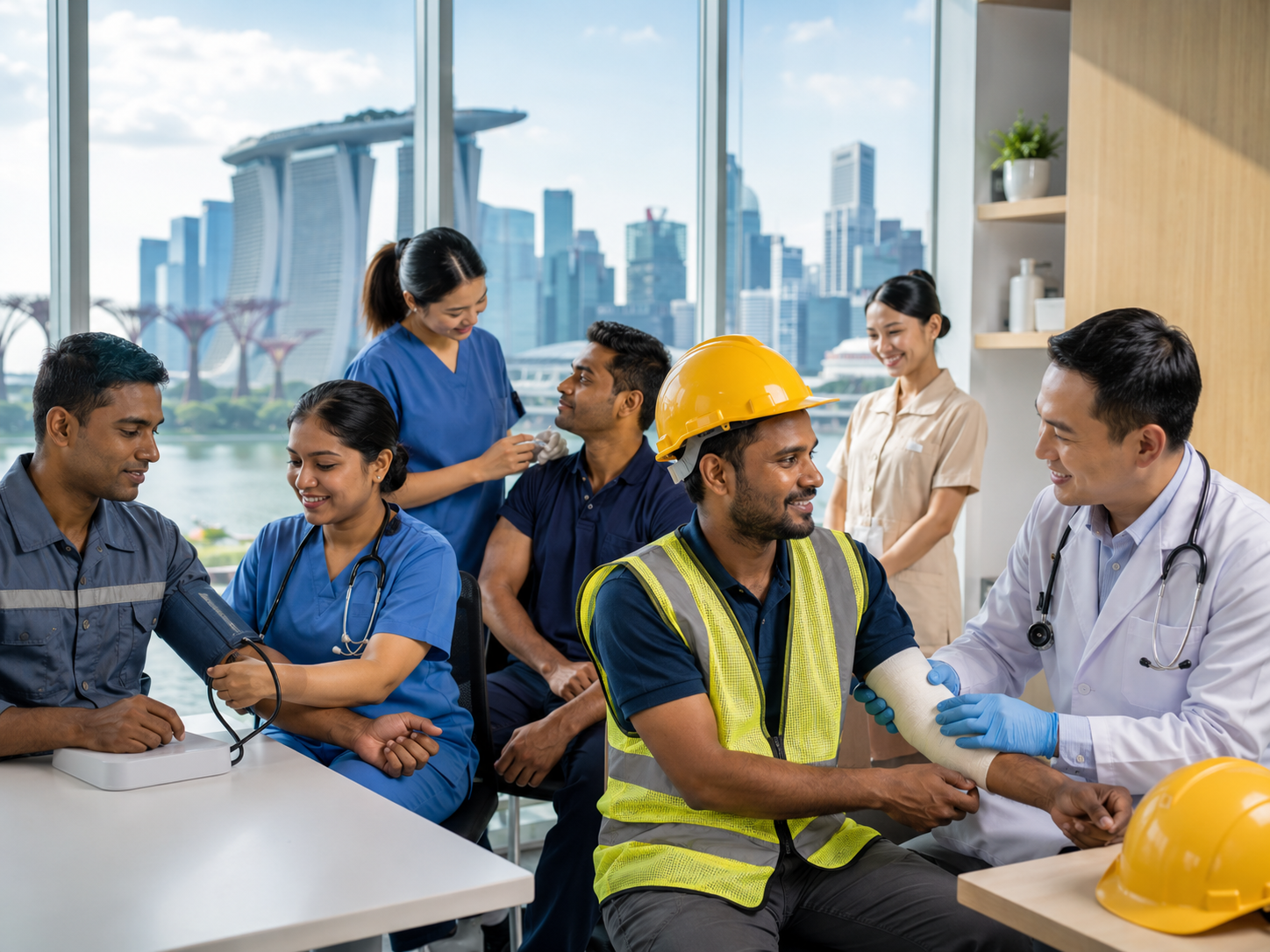
In Singapore, migrant workers form the backbone of various sectors such as construction, cleaning, and domestic services. As the number of foreign workers continues to grow, ensuring that they have access to healthcare is a fundamental concern. A healthy workforce is essential for Singapore’s continued growth and development, and providing quality healthcare services to migrant workers is an important part of this equation.
The Singaporean government has established several policies to address the healthcare needs of migrant workers. Under the Work Injury Compensation Act (WICA), foreign workers are entitled to compensation for work-related injuries, including medical treatment and financial compensation. This ensures that workers who are injured while on the job do not have to bear the financial burden of their medical bills.
In addition to work-related injuries, migrant workers in Singapore are also covered by MediShield Life, the country’s public health insurance scheme. However, MediShield Life may not fully meet the healthcare needs of migrant workers, especially for non-work-related illnesses or more serious health issues. To fill this gap, many employers provide additional insurance to their workers, ensuring comprehensive medical coverage.
Migrant workers also have access to subsidized healthcare services at polyclinics and hospitals. However, language barriers, lack of awareness, and limited access to healthcare facilities can hinder their ability to receive timely treatment. As a result, many migrant workers prefer to seek treatment in private clinics, which may offer more accessible services but at a higher cost.
Health concerns among migrant workers in Singapore are varied. Overcrowded living conditions, poor sanitation, and a lack of proper nutrition contribute to the spread of infectious diseases like tuberculosis, dengue fever, and respiratory illnesses. To mitigate these risks, the government mandates regular health checks for migrant workers, including vaccinations and tuberculosis screenings, to prevent the spread of infectious diseases in the workforce.
In addition to physical health concerns, mental health issues have been increasingly recognized as a significant challenge among migrant workers. Separation from their families, long working hours, and the stress of living in a foreign country can lead to feelings of isolation and depression. NGOs and community organizations in Singapore have stepped in to offer counseling services and mental health support for workers.
Employers also play an important role in maintaining the health of their workers. Ensuring that workers have access to healthcare, promoting preventive health measures, and offering wellness programs are essential steps that employers can take to improve the overall health and productivity of their migrant workforce.